
September 2026 News
October 23, 2026 • 7 minute read
This month’s issue lives at the intersection of imagination and structure, exploring stories where vision and the transformation of material conditions together build new futures. Our new essay series makes culture visible as a front in the fight for justice. An article on ethical treatment and fees for artists offers collaborative tools for artists’ well-being. Our Praxis Project increases the capacity for organizing between arts and social justice groups with four new awardees. A Louisiana composer builds connections between contemporary music and audiences. NPN announces a new co-leadership model that puts shared power into practice… And more!
Why Culture Matters to Justice: Culture and the Moment
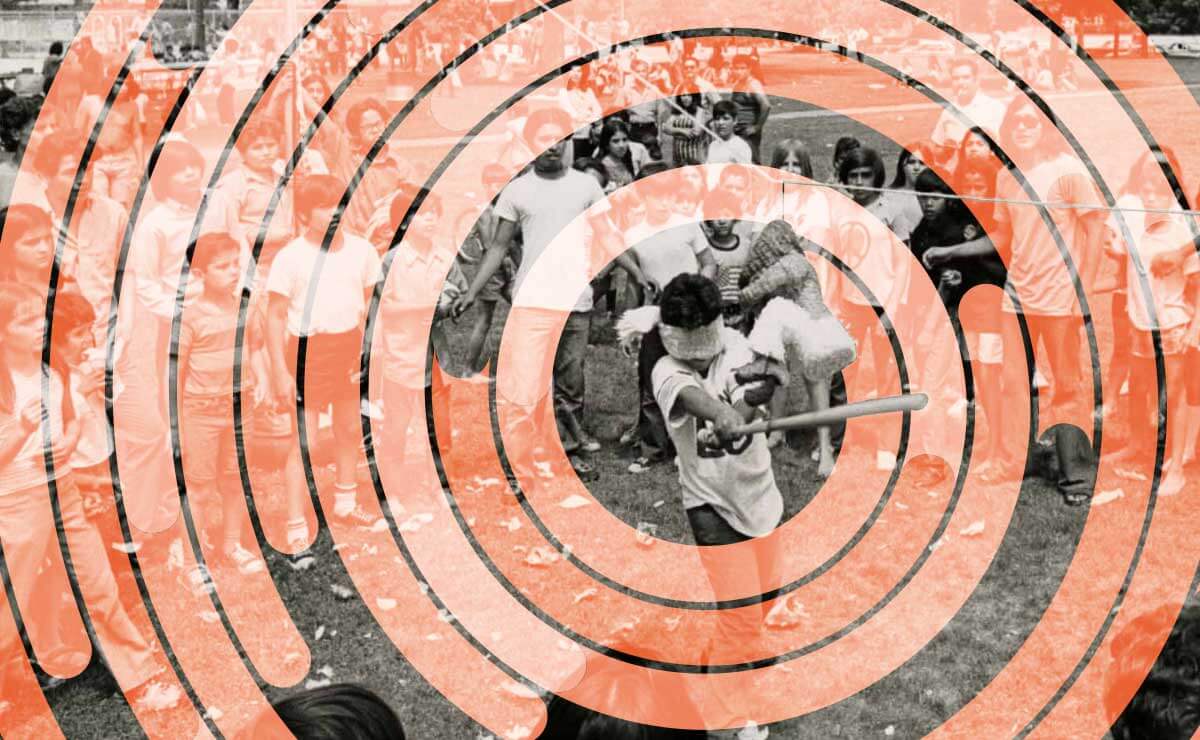
One’s beliefs about the world are transmitted through culture, both popular and intimate. But living in a time of authoritarianism and proto-fascism means culture has been hijacked. If we are going to inspire collective action and liberation, we must intervene on the level of belief by investing in ways of being that counter the current hegemonic culture, and by uplifting cultural practices rooted in communalism, care, and justice.
The five essays in our new series “Why Culture Matters to Justice” are designed to introduce an expanded engagement with culture. This is an invitation to wrestle with the content and concepts offered and allow your agreement, disagreement, and/or curiosity to sharpen your understanding of the role of culture in our lives, movements, and society.
If we take culture seriously as a front in the fight for liberation and justice, then we can no longer think about culture as something that just happens or solely as something that is passed down. Culture is a living, evolving organism that shapes us all and has the capacity to be shaped through intention.
It is time to grow our understanding of, and delve more deeply into, cultural strategy.
(Adapted from “Culture and the Moment” by Sage Crump.)
Read the Culture Justice Institute’s new essay series, “Why Culture Matters to Justice.”
Standards of Care: NPN’s Ethical Treatment & Artist Fees
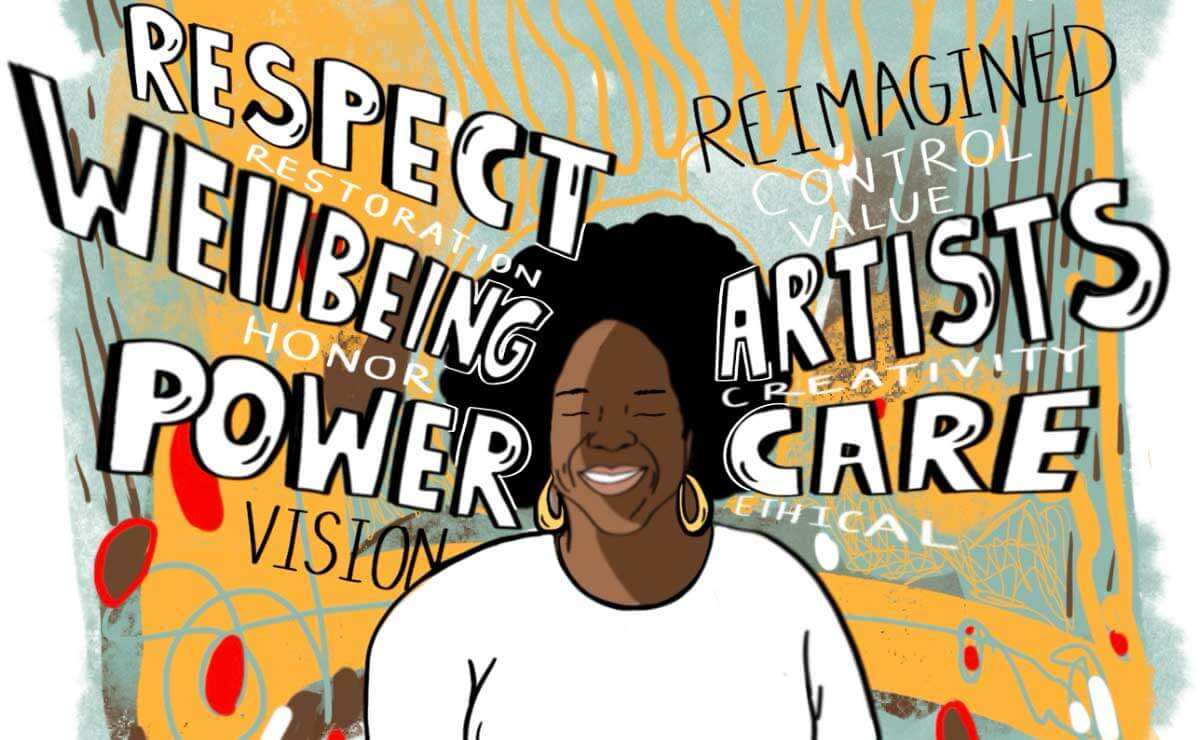
At the core of NPN’s work is a commitment to building both financial and relational infrastructure, rooted in reciprocity between artists, presenters, and audiences, and ongoing accountability to ethics and equity in arts presenting.
NPN’s ethical treatment rider, which we’re freely sharing for adaptation and re-use, is an example of our values in practice. To receive funding through our Creation & Development Fund, NPN, co-commissioners, and artists must all agree to equitable pay and ethical practices. This rider is embedded in our contracts, providing a model for good relationships and ensuring both legal and relational tools to protect the artists’ well-being. The rider also guides NPN’s role as intermediary if conflicts arise.
We encourage folks to share these tools and to copy and adapt them to their own values and needs.
(Adapted from “NPN’s Ethical Treatment Rider: A Collaborative Tool for Artists’ Well-Being,” by Riley Yaxley.)
The “Ethical Treatment of Artists” rider, as well as a “Recommended Minimum Artist Fees” rider, are available to download from our website.
NPN Names Sage Crump and Caitlin Strokosch Co‑Executive Directors, Putting Its Commitment to Shared Power Into Practice
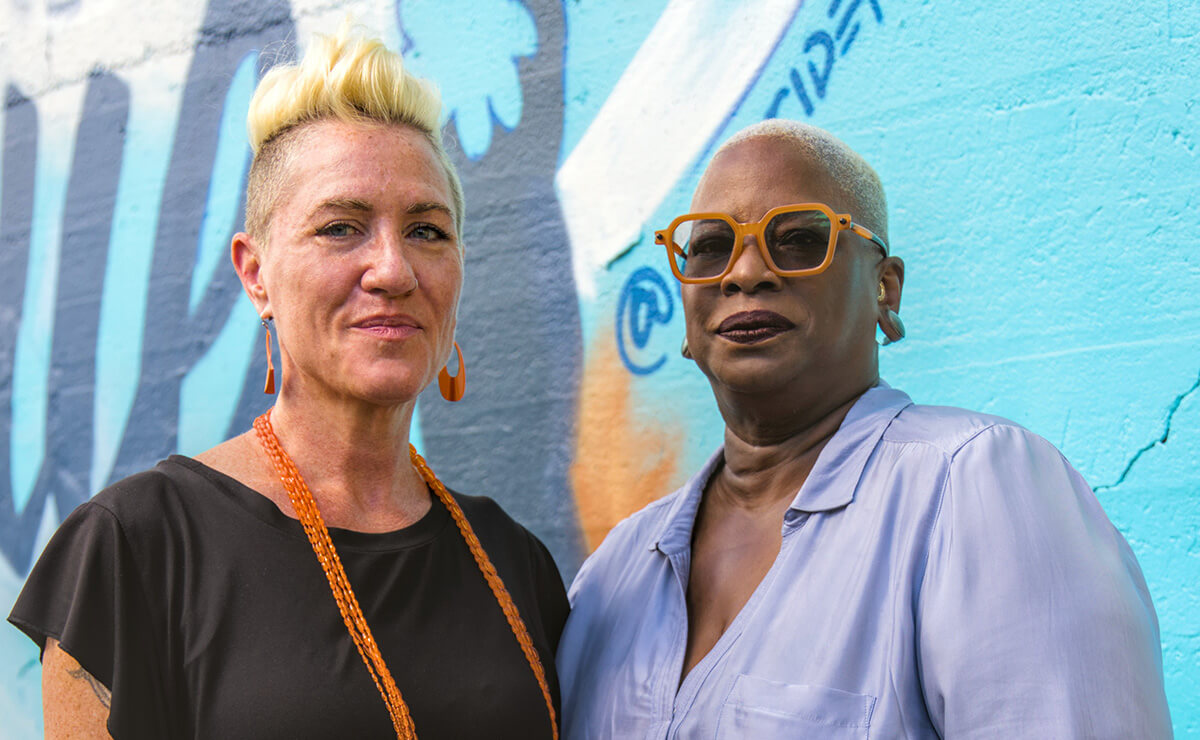
For 40 years, the National Performance Network (NPN) has worked from a fundamental belief: artists and cultural organizations are stronger when knowledge, resources, and power are shared. Now, at a moment of profound change for the cultural sector, we’re bringing that principle to the structure of the organization itself by announcing that Sage Crump and Caitlin Strokosch will lead the organization as Co-Executive Directors.
Caitlin has served as NPN’s President & CEO since 2016, stewarding NPN through a tumultuous decade as we explicitly committed ourselves to racial and economic justice. Sage, an artist, cultural strategist, and movement facilitator with 30 years of experience at the intersection of art, culture, and justice, steps into the Co-Executive Director role after 12 years of leadership at NPN, where she has shaped programs and launched our Department of Racial Justice and Movement Building (DRJaM).
Announcing the 2026 Praxis Project Fund Awardees
“Organizing is leadership that enables people to turn the resources they have into the power they need.”
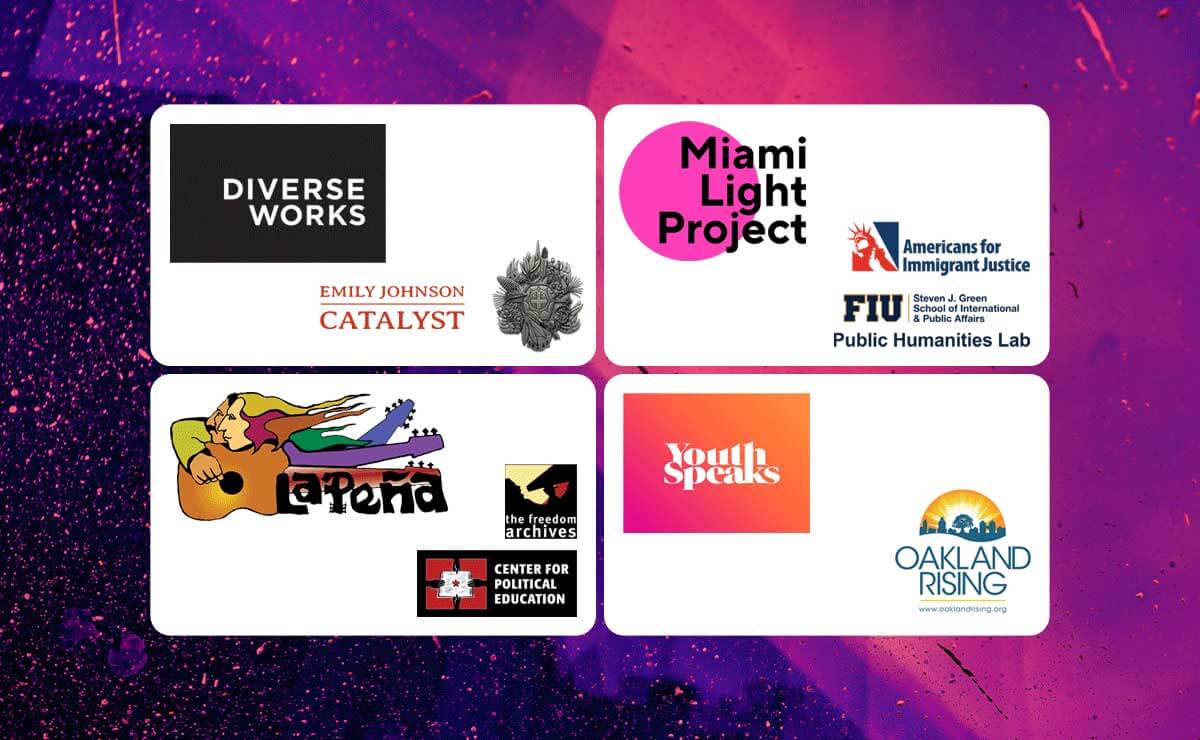
The National Performance Network (NPN) is thrilled to announce its 2026 Praxis Project fund awardees: DiverseWorks, Miami Light Project, La Peña Cultural Center, and Youth Speaks. Praxis Project funds support organizational partnerships between arts and social justice organizations to increase the capacity for local visionary organizing. These four new awardees move beyond transactional engagement and toward transformative exchange — fostering collaboration, shared learning, and long-term impact.
Learn more about the 2026 Praxis Project Fund Awardees.
“There exists new music for everyone”
An Interview with Take Notice Fund Artist Mendel Lee
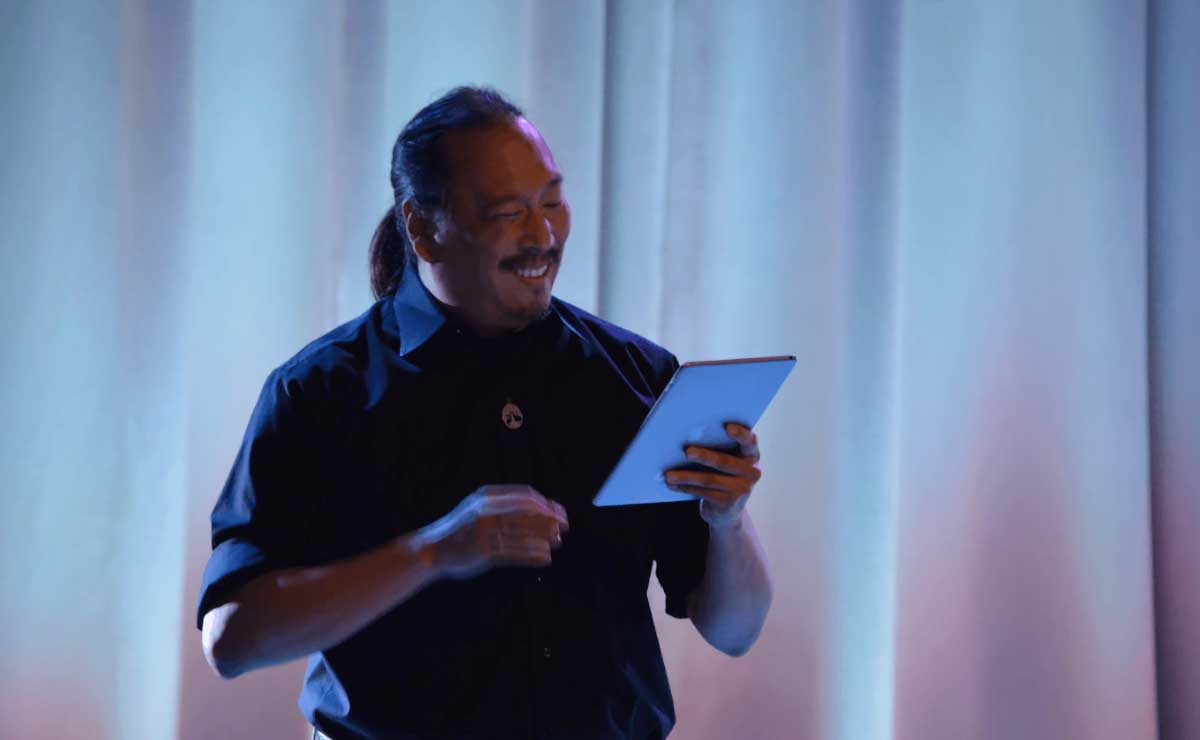
Mendel Lee is a composer and music educator living in New Orleans, LA. In this interview, part of NPN Take Notice Fund’s commitment to bring more visibility to Louisiana artists of color, Mendel talks about his journey from music education and drum corps to composing new music, and his work to connect audiences with new music from living composers in his role as the Executive Director of Versipel New Music.
“One of the great things about new music is that it allows performers and composers to be more collaborative in putting that music out into the world.”
Read the full interview on our Voices from the Network blog.
Mixed Metaphor: Creating a World of Racial Justice and Cultural Equity
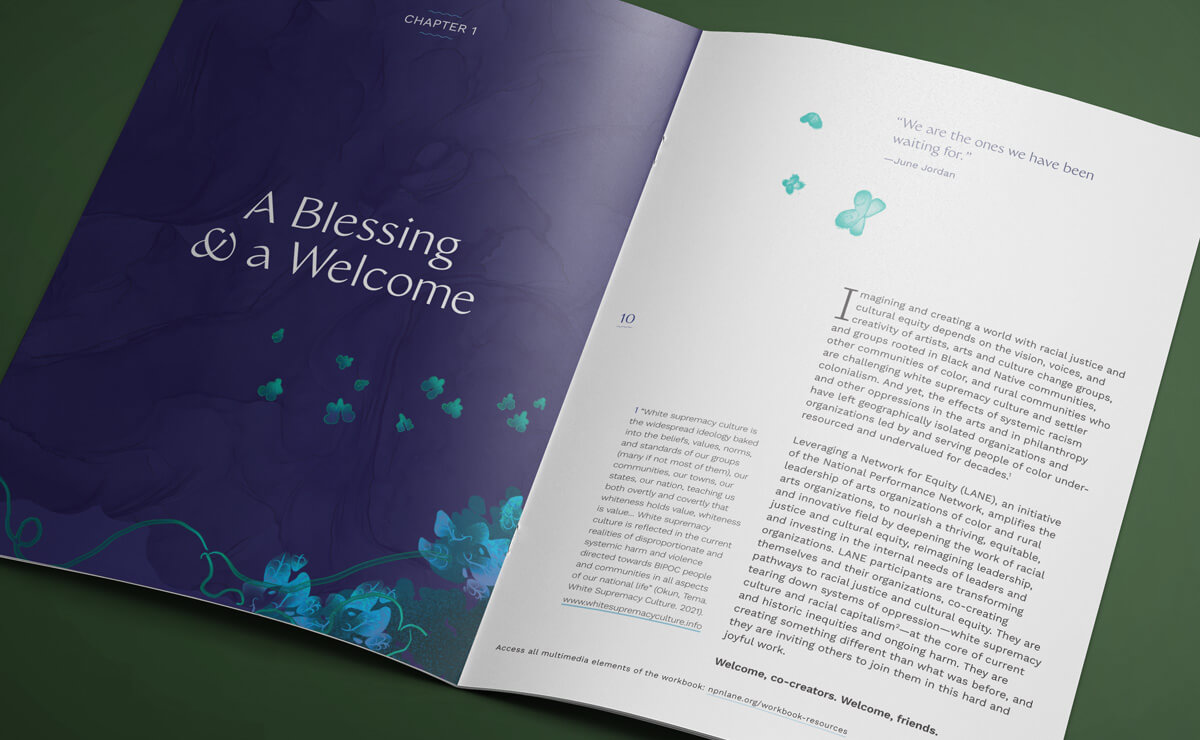
“We are the ones we have been waiting for.”
Imagining and creating a world with racial justice and cultural equity depends on the vision, voices, and creativity of artists, arts and culture change groups, and groups rooted in Black and Native communities, other communities of color, and rural communities who are challenging white supremacy culture and settler colonialism.
Explore the Mixed Metaphor Workbook and its companion, the Mixed Metaphor Learning Deck.
Announcements & Opportunities
Artists: Rauschenberg Foundation’s Emergency Grants Now Accepting Applications
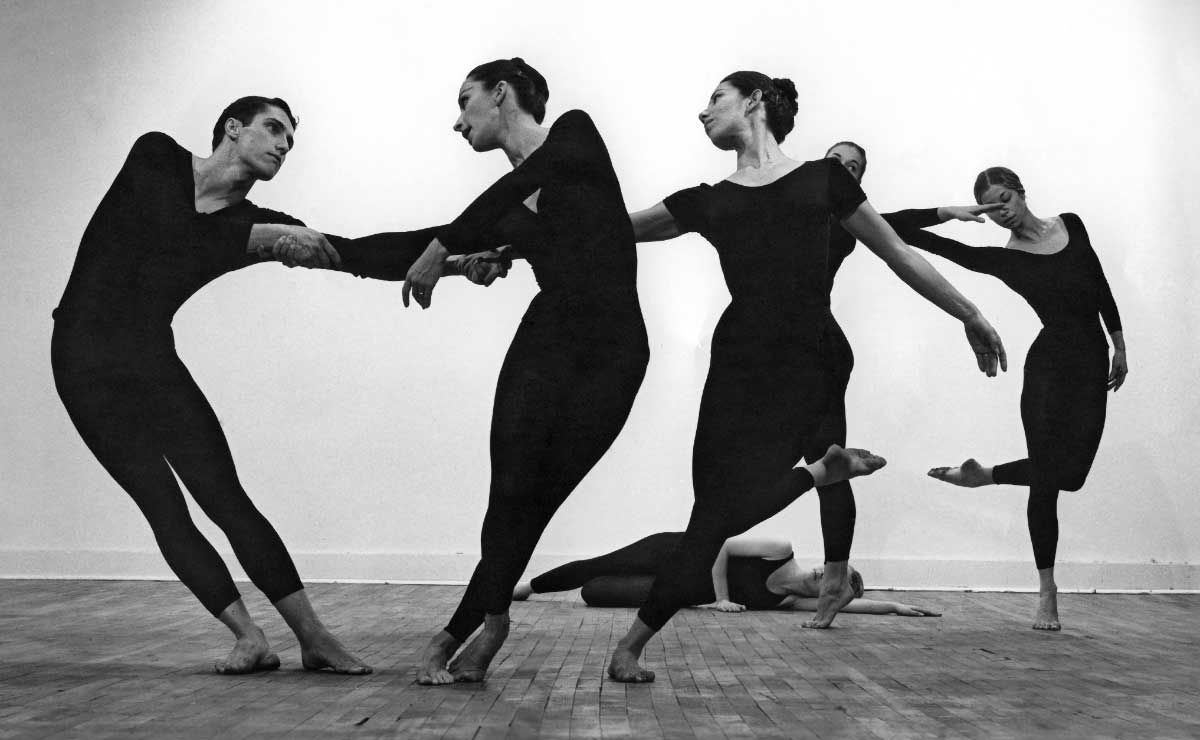
Robert Rauschenberg was committed to assisting fellow artists in need of emergency aid, establishing Change, Inc. in 1970. Now administered by New York Foundation for the Arts (NYFA), the Rauschenberg Foundation’s National Medical Emergency Grants and National Emergency Grants for Dancers continue this legacy.
The National Medical Emergency Grants Program awards one-time grants of up to $5,000 for artists in the visual arts, film/video, electronic/digital arts, or choreography facing unexpected medical, dental, and mental health emergencies. The program is currently accepting applications through November 17, 2026. Learn more and apply to the National Medical Emergency Grants Program here.
The National Emergency Grants Program for Dancers awards one-time grants of up to $3,000 for professional dancers in the US facing dire financial emergencies. The next grant application window is November 10 through December 8, 2026. Learn more about the National Emergency Grants Program for Dancers here.
BOOM Concepts’ Photography Workshop Builds New Ways of Seeing
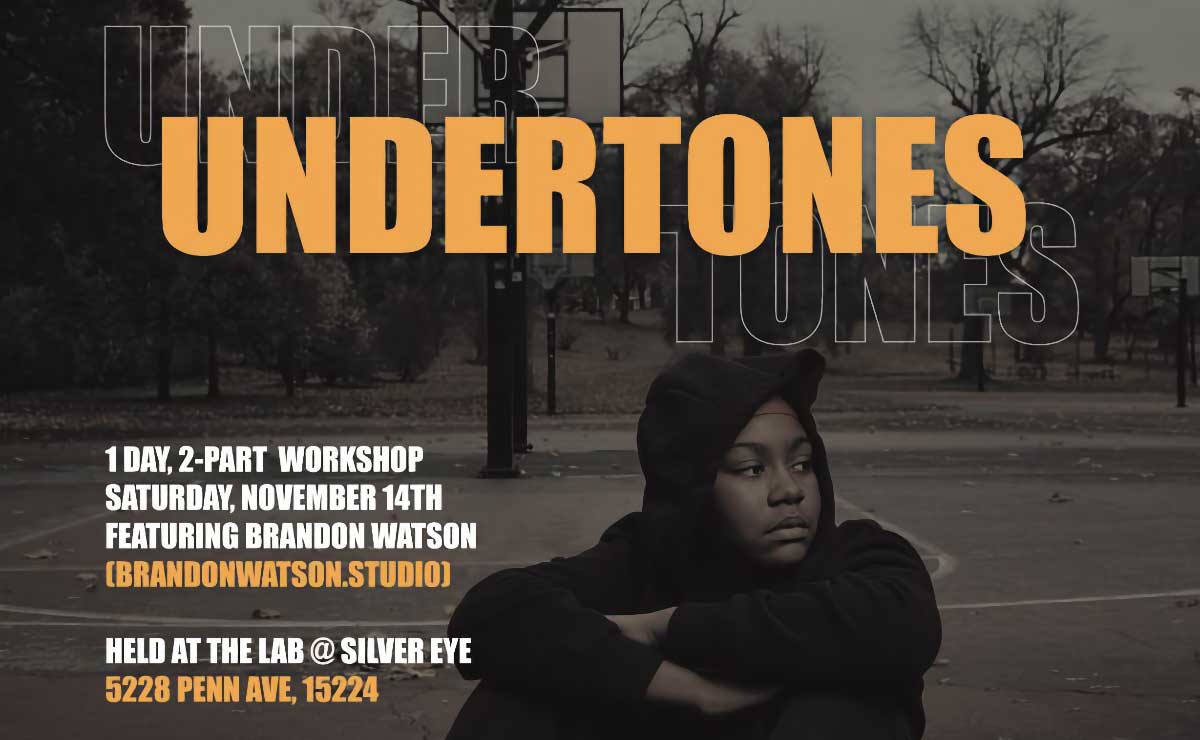
NPN Partner BOOM Concepts is presenting a special one-day photography workshop featuring Buffalo-based photographer Brandon Watson. The workshop, “Undertones,” centers on working alongside marginalized communities in Pittsburgh to explore photography as a collaborative tool for storytelling, connection, and self-definition. The workshop features two sessions: “Photographing Darker Skin Tones,” which teaches participants how to properly light, expose, and color-balance darker skin tones; and “Nonviolent Language in Photography,” which explores more collaborative and consent-centered approaches to image-making between photographer and subject.
“Undertones” will be held at The Lab @ Silver Eye Photography in Pittsburgh, PA, on Saturday, November 14. Visit the BOOM Concepts website for more information.
Upcoming Artist Activities
Dancing Through Time: Donna Sternberg, a Retrospective, 1970 to 2026.
Now through Jan 10, 2027, at Fresno Art Museum (Fresno, CA).
WITH OURSELVES, WITH EACH OTHER, Co-Directed by Maree ReMalia and Adil Mansoor.
Oct 23 at 7:30 pm and Oct 24 at 10:30 pm, at Kelly Strayhorn Theater (Pittsburgh, PA).
Turn. Turning. TURNT. by Cynthia Oliver.
Nov 4-7 at 7:30 pm, at BAM Fisher Fishman Space (Brooklyn, NY)
adaku, part 2: she shivers with it, by sweat variant—Okwui Okpokwasili and Peter Born.
Nov 11-14 at 7:30 pm, Nov 15 at 3 pm, at BAM Fisher Fishman Space (Brooklyn, NY).
First Voices Festival Powwow, produced by 7 Stages, Turtle Island Trading, Little Five Business Association, and Zintkala Zi PowWow.
Nov 21 & 22, 10 am to 5 pm both days, at 1136 Austin Ave (Atlanta, GA).
What We’re Reading
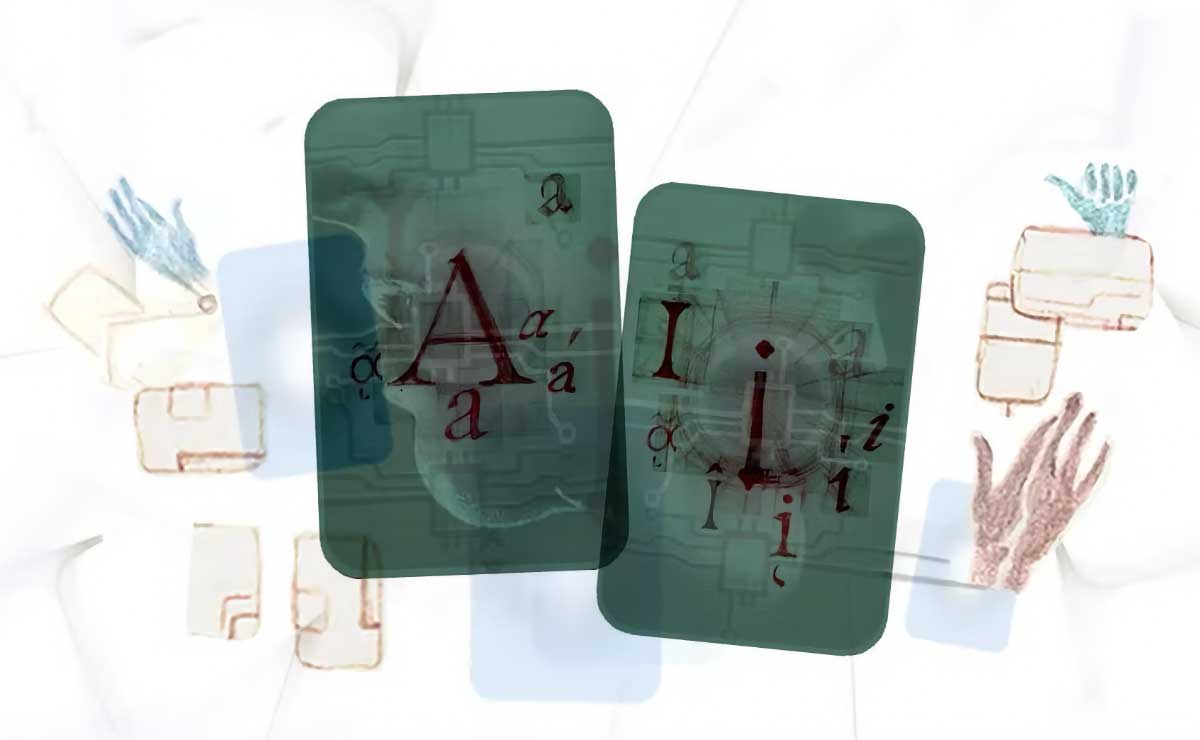
Each month, NPN’s staff and board engage with a reading that helps shape our analysis of our sociopolitical landscape and deepen our understanding of how to embed liberatory practices throughout our work. The Collective Learning Series is organized by NPN’s Department of Racial Justice and Movement Building (DRJaM).
This month’s selection is “AI and the Arts: 5 Steps to a Responsible Generative AI Policy,” co-written by Katrina Ingram of Ethically Aligned AI and Lisa McKay of the Rozsa Foundation, which documents how the two groups worked together to develop Rozsa’s artist-focused “AI Commitments and Guidelines” statement.
Read “AI and the Arts: 5 Steps to a Responsible Generative AI Policy” at Ethically Aligned AI.
NPN is generously supported by:
Barbara and Amos Hostetter, Doris Duke Foundation, Ford Foundation, The Kresge Foundation, Lambent Foundation, Louisiana Division of the Arts, Surdna Foundation, Vilcek Foundation, and our generous donors.
Past Issues
Newsletter Sign Up
Get the latest on events, stories, opportunities, and projects from across the network.
Your personal data will be managed respectfully and responsibly, in accordance with our privacy policy.