Why Culture Matters to Justice
Culture and the Moment
n/a
By Sage Crump
• 16 minute read
Why Culture Matters to Justice is a series of essays commissioned by NPN’s Culture Justice Initiative (CJI) and designed to grow our understanding of culture as a force for transformation.

Artist and cultural workers are an integral part of all revolutionary movements across geography and time. From Chinese puppetry, the harmonies and Sweet Honey and the Rock, and the místicas of the Landless Workers Movement (MST) in Brazil, culture has added to the cannon of what resistance can look like. Living in a time of authoritarianism and proto fascism means culture has been hijacked. These conditions did not appear overnight. Little by little we have been trained through reward, coercion and violence to accept and even champion systems and ways of being that were never designed to hold the well being and dignity of all life. It is an answer the age old question “Why would people work against their own interests?” The answer is because many have come to believe that there is no alternative than to be successful in these systems. Ones beliefs / views on the world are transmitted through culture both popular and intimate. If we are going to inspire collective action, we must intervene on the level of belief by experimenting, investing in and uplifting ways of being that counter the current hegemonic culture. It is time to grow our understanding of and delve more deeply into cultural strategy.
In 1995 the novelist Toni Morrison gave the convocation speech at Howard University. It was entitled Racism and Fascism. In it, she says “racism may wear a new dress, buy a new pair of boots, but neither it nor its succubus twin fascism is new or can make anything new. “ As this speech and many talks before and after show us, Morrison was a brilliant student of the world. She entreats that the twins of racism and fascism do not make anything new and provides us a direct offering on how to be strategic in the moment. We know from her body of written work that she was not supporting the fetishization of newness rather she was encouraging us to look deeper and see the ways of being available. In this current moment of authoritarianism and protofascism, our strategies require people who can create something new. For artist and cultural workers creation is craftwork that extends beyond an artistic discipline. That makes them instrumental in this current moment of struggle.
A presenter during a major arts conference spoke about the way arts and culture helped people get through the pandemic. He quipped “ I mean, what would we have done without Netflix.” While that may be true in some sense, statements like that reduce culture to a commodity. Culture absolutely helped through mutual aid, collective uses of public space, creative practices and long standing community practices. The cultural interventions of the pandemic are connected to how people interacted with each other to move us toward collective ways of being in the face of large-scale social supports. This reference to the value of art and culture appears throughout movement spaces as well. The request for 15 minutes of performance for the rally or the strategy to “meet people where they are” has often meant an engagement with culture in its most popular sense. Movement history has demonstrated that shifts away from a racial capitalist colonial culture never start as popular. Culture is something that starts at the margins and grows to become the center. Not only is it not popular, but attempts to create different, more just societal arrangements are met with violence and coercion in order to keep people in their place.
Keeping Culture in its place
Oppressive forces use 2 primary strategies to keep us in a culture of repression and dominance. Societal arrangements rooted in racial, economic, and social hierarchies work to keep people ahistoric and truncates the imagination. To make people ahistoric, to disconnect them from lineage. This practice fosters a fixation on that which is young, fresh and “never seen before”. It preferences individual inspiration over collective learning and continues to uplift a singular charismatic leader. Being ahistorical makes everything a one-off rather than connecting and learning from each historical moment. Indigenous people were forcibly removed from their land and sent to boarding schools to “kill the Indian” in them. CLR James writes in this book The History of Pan-African Revolt, “The only place where Negroes did not revolt is in the pages of capitalist history.” Erasure is a tactic of cultural warfare because without connection to a lineage, the subjugation of the individual is much more possible. Every insurgency has found a way to forcibly push against erasure. This series uplifts a history of the Chicano Movement in Denver, Colorado across generations. It asserts the potency of culture as a pathway to renewed strength through remembering.
The second is the truncation of our imagination. That our imaginations are contested spaces is not new. In a 2022 interview, author and abolitionist organizer walidah imarisha, reminds us that we are “living inside the imagination of old white men.” The fevered dreams of power, supremacy, and fascism are shaping the conditions of our lives every day. The question is often asked, “In what world does any of this make sense?” Our spiral towards mass poverty and the destruction of the Earth’s necessary resources across race and class makes way for a few billionaires to survive. And yet, we still see many people believe that fevered dream could be theirs as well. Their imagination is being controlled by the way racial imperial capitalism uses systems of violence and coercion to reward complicity in the world never built for the well-being of all living beings: a world that requires racial, economic, and gender inequality and subjugation of the majority of people for a few to amass ecologically unsustainable amounts of wealth. This series opens up our imaginations. It asks the question “What would the world be like if…” Each essay asks us to invigorate our curiosity by offering language, concepts and strategies to another future for the relationship between culture and justice.
If we take Culture seriously as a front in the fight for liberation and justice, then “fighting” on that front requires strategy and collective action. We can no longer think about culture as something that just happens or something that is passed down. Culture is a living, evolving organism that shapes us all and has the capacity to be shaped through intention. For some, that has meant leaning into popular culture as a way to connect and build movement and yet that can be a tricky endeavour. Take the example of the 2024 Democratic National Convention and its use of social media influencers to spread the word and encourage civic participation. The over 200 Influencers, many of whom had no history of political content on their platforms, were given unprecedented access to candidates and officials, leaving little room for traditional press and skilled journalists. While the DNC is neither Left nor Radical, this example can still be used as a warning and an invitation for rigor in our methods. There is a difference between engaging aspects of culture to further a goal and the intentional shaping of culture itself. Cultural strategy involves both, but far too often the focus is on culture as an instrument for change. In this moment, the need for investigating, experimenting and uplifting cultural practices rooted in communalism, care and justice for the sake of collective liberation are needed. Cultural strategy looks at the past, present and future to develop the capacities we need to fight for and live in a different world. In other words, cultural strategy addresses history, assesses the current conditions and imagines how to organize people. Cultural strategy is found in the how as much as the what.
The Culture War of the 21st century
When people refer to the Culture Wars, they are often referring to the repression of artistic freedom. This was certainly true regarding the late 1980 and 90’s in which federal lawmakers became moral police for the National Endowment of the Arts and obscenity charges were being brought against directors of arts institutions. Yet there is a much larger and longer history of wars on culture dating back to enslavement and the first attempts at colonization. The outlawing of the drum was not only an assault on a cultural connection that could provide enslaved people a respite from the horrors they endured. It was an assault on the very act of communication itself. Similarly, the strategic decision to ensure that few people who spoke the same language or were from the same villages were not housed together was a war on culture. Attacks on artists such as Billie Holiday, Zora Neale Hurston and Paul Robeson were attempts to shut down anything that might awaken or inspire people to action. In National Liberation and Culture Amílcar Cabral, revolutionary strategist of the decolonial revolution of Gunnea Bissou states “History teaches us that in certain circumstances it is quite easy for a stranger to impose his rule on a people. History equally teaches us that whatever the material aspects of that rule, it cannot be sustained except by permanent and organized repression of the cultural life of the people in question.” Today, we see the Kennedy Center become a plaything for the current administration. The possibility of a progressive functional democracy is hampered by a failed two-party system, vicious voter disenfranchisement, and a collective crisis of legitimacy that undermines a popular belief that a democratic government can be salvaged and work for all. Yet, we see people showing up because they believe another world is possible and make clear the importance of culture. There are brilliant organizers working on building a multi-party system and fighting in the streets and the courts against redistricting and voter disenfranchisement. Cultural strategies can bolster the belief that collective care can be central to a thriving society and grow what Aisha Shillingford of Intelligent Mischief refers to in her essay Building a Cultural Power Ecosystem “a collective political imaginary grounded in love care, regeneration and interdependence” are equally necessary.
Why this offering now?
The essays in this series are designed to bring an expanded engagement with culture.This is an invitation to wrestle with the content and concepts offered and allow your agreement, disagreement and /or confusion to sharpen your understanding of the role of culture in our lives, movements and society. Culture feels big so we make it small. This series is designed to help us look at the elephant while we intervene in its smaller spaces.
This series was created to bring philosophies, practices, and lessons from behind the paywalls of the academy where much of the current cultural theory is expressed.The authors represented are practitioners. Their ideas have been born through years of experimentation and study.
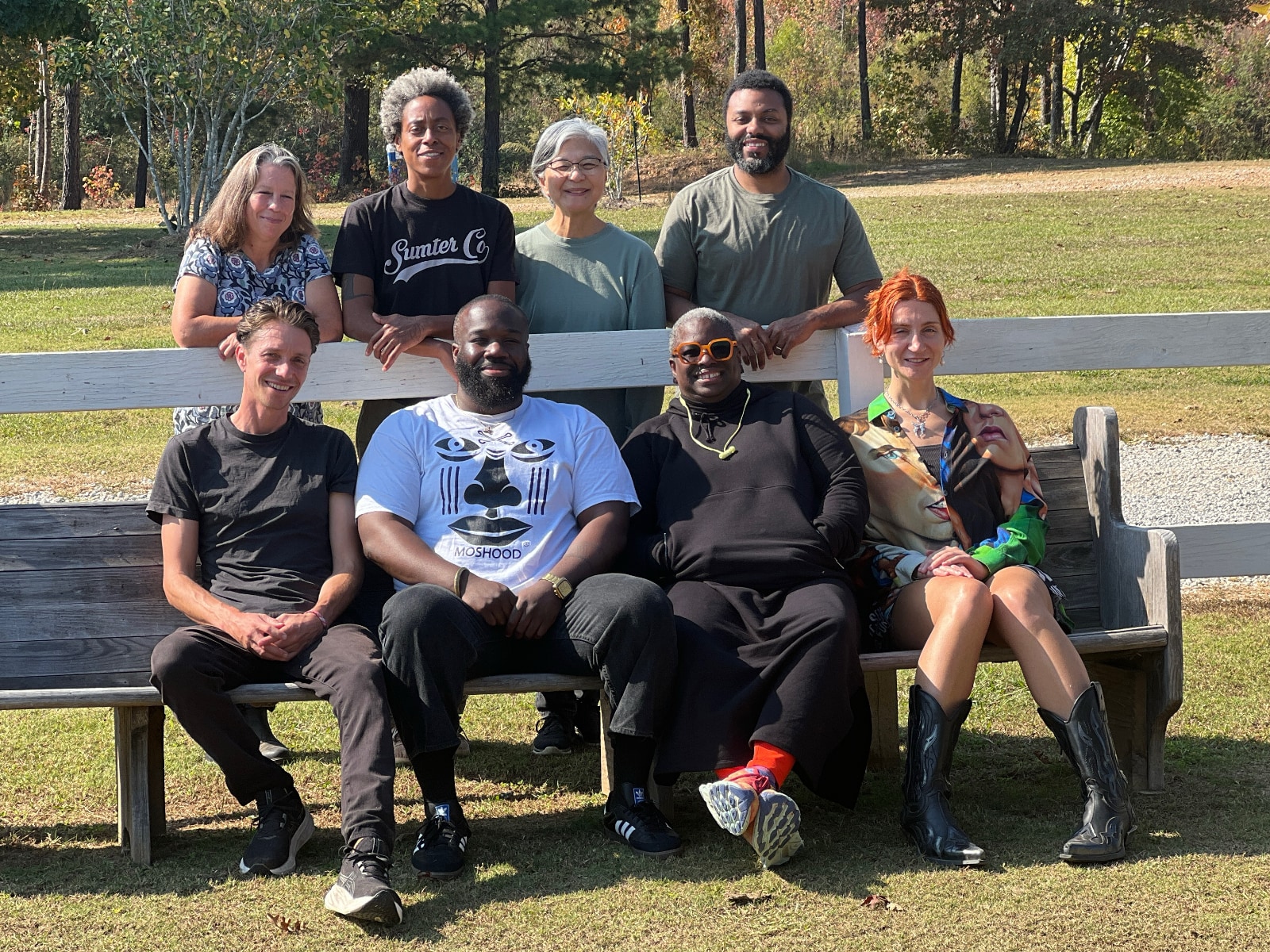
This group spent four days together in Mississippi having morning discussion and then spending the afternoon writing. The essays offer thoughts on shifting our understanding of culture(s), strategy development, a historic case study and a current intervention.
- Vanessa Whang – What is Culture Justice? Why does it matter?
- Evan Bissell – Experience as a Whole: Expanding the Boundaries of Cultural Strategy
- Tany Mote – Chicano Cultural Resistance: a case study across generations
- Allen Frimpong – Building Cultral Equity through Solidarity
The Building Movement Project’s outline of the 5 basic stages of movement building starts with “Making visible the invisible. These essays are an offeringThis series attempts to make culture visible as a justice front so we can hone our strategies and be intentional about where society goes from here.
Click here to read the other essays in the Why Culture Matters to Justice series.
Why Culture Matters to Justice is a series of essays commissioned by the National Performance Network as part of their Culture Justice Initiative (CJI). Believing the value of this content goes beyond our organization, NPN reached out to online publications within the arts and social justice movement sectors. This series is being cross-published by National Performance Network, Convergence, A Magazine for Radical Insights, HowlRound Theatre Commons and Landscapes, a digital platform from A Blade of Grass. Each day this week, an essay will be released. None of what you read this week is sacrosanct. Agree, disagree, contemplate, or expound on—are all welcome forms of engagement. This work is offered in the spirit of protagonism with the hope of provoking dialogue, influencing strategy, and deepening practice.
Artists and cultural workers are an integral part of all revolutionary movements across geography and time. From Chinese puppetry, to the harmonies of Sweet Honey in the Rock, to the Místicas of the Landless Workers Movement (MST) in Brazil, culture has added to the canon of what resistance can look like.
Living in a time of authoritarianism and proto-fascism means culture has been hijacked. These conditions did not appear overnight. Little by little, we have been trained through reward and violence to accept and even champion systems and ways of being that were never designed to hold the well-being and dignity of all life.
These means of coercive control answer the age-old question: “Why would people work against their own interests?” The answer is because many have come to believe that there is no alternative but to be successful within these systems. One’s beliefs about the world are transmitted through culture — both popular and intimate. If we are going to inspire collective action, we must intervene on the level of belief by experimenting, investing in, and uplifting ways of being that counter the current hegemonic culture. It is time to grow our understanding of, and delve more deeply into, cultural strategy.
In 1995, the novelist Toni Morrison gave the convocation speech at Howard University. It was entitled “Racism and Fascism.” In it, she says, “Racism may wear a new dress, buy a new pair of boots, but neither it nor its succubus twin fascism is new or can make anything new.“ As this speech and many talks before and after show us, Morrison was a brilliant student of the world. She entreats that the twins of racism and fascism do not make anything new and through that she provides us direction on how to be strategic in the moment.
In this current moment of authoritarianism and proto-fascism, our strategies require people who can create something new. For artists and cultural workers, creation is craftwork and that extends beyond an artistic discipline. It makes them instrumental in this current moment of struggle.
A presenter during a major arts conference spoke about the ways arts and culture helped people get through the pandemic. He quipped, “I mean, what would we have done without Netflix?” While that may be true in some sense, statements like that reduce culture to a commodity. Culture supported well-being during the pandemic by providing critical mutual aid networks, activating public spaces for care and protest, and reviving long-standing community practices. In the face of fractured systemic social support systems, cultural interventions connected people and moved us towards collective care.
This reference to the value of art and culture by the conference presenter appears throughout movement spaces as well. The request for fifteen minutes of performance for the rally or the strategy to “meet people where they are” has often meant an engagement with culture in its most popular sense. Culture and pop culture are treated as the same.
Movement history has demonstrated that shifts away from a racial capitalist colonial culture never start as popular. Culture is something that starts at the margins and grows to become the center. Not only is it not popular, but attempts to create different, more just societal arrangements are met with violence and coercion to keep people in their place.
Keeping Culture in Its Place
Oppressive forces use two primary strategies to keep us in a culture of repression and dominance. Societal arrangements rooted in racial, economic, and social hierarchies work to truncate the imagination and keep people ahistorical, disconnecting them from lineage.
The first strategy disappears or rewrites history, erasing labor and fostering a fixation on the “never seen before.” Unlike Morrison’s invitation towards something new as evolution, this strategy creates disconnection. It uplifts individual inspiration over collective learning and rewards singular, charismatic leadership. Being ahistorical makes it impossible to connect and learn from each historical moment.
We see this tactic used over and over again. Indigenous people were forcibly removed from their land and sent to boarding schools to “kill the Indian” in them. CLR James writes in The History of Pan-African Revolt, “The only place where Negroes did not revolt is in the pages of capitalist history.” Erasure is a tactic of cultural warfare because without connection to a lineage, the subjugation of the individual is much more possible. Every insurgency has found a way to forcibly push against erasure.
The second strategy used to reduce culture’s fundamental role in revolution is the truncation of our imagination. That our imaginations are contested spaces is not new. In a 2022 interview, author and abolitionist organizer walidah imarisha reminds us that we are “living inside the imagination of old white men.” Fevered dreams of power, supremacy, and fascism are shaping the conditions of our lives every day. When the question asked is “In what world does any of this make sense?” the answer is that our spiral towards mass poverty and the destruction of the Earth’s necessary resources across race and class makes way for a few billionaires to play.
The capture of imagination leads masses of people to believe that fevered dream could be theirs as well. Racial imperial capitalism subjugates the imagination through systems of violence and coercion to reward complicity in the world never built for the well-being of all living beings: a world that requires racial, economic, and gender inequality and subjugation of the majority of people for a few to amass ecologically unsustainable amounts of wealth.
This series addresses these strategies directly with essays that ask us to evolve our thinking and engage history as a practice of Sankofa, to go back and fetch it. Uplifting the history of resistance through culture within the Chicano Movement of Denver, Colorado across generations asserts the potency of culture as a pathway to renewed strength through remembering. This series also asks us to open up our imaginations. It asks the question, “What would the world be like if…” Each essay charges our curiosity by offering language, concepts and strategies towards a more nuanced relationship between culture and justice.
There is a difference between engaging aspects of culture to further a goal and the intentional shaping of culture itself. Cultural strategy involves both, but far too often the focus is on culture as an instrument for change. Culture is used to make the change rather than culture being the focus of the change. In this moment, we need to investigate, experiment with, and uplift cultural practices rooted in communalism, care, and justice for the sake of collective liberation. Cultural strategy looks at the past, present, and future to develop the capacities we need to fight for and live in a different world. In other words, cultural strategy addresses history, assesses the current conditions, and imagines how to organize people. Cultural strategy is found in the how as much as the what.
If we take culture seriously as a front in the fight for liberation and justice, then “fighting” on that front requires strategy and collective action. We can no longer think about culture as something that just happens or solely as something that is passed down. Culture is a living, evolving organism that shapes us all and has the capacity to be shaped through intention.
For some, that has meant leaning into pop culture as a way to connect and build movement. In 2024, the Democratic National Convention used 200 social media influencers to spread the word and encourage civic participation. Many of these influencers had no history of political content on their platforms and were given unprecedented access to candidates and officials. The DNC’s choice to use influencers left little room for traditional press and skilled journalists. This is an example of a strategy colluding with oppressive forces to limit the press under the guise of engaging with popular culture. While the DNC is neither Left nor Radical, this example can still be used as a warning and an invitation for rigor in our methods.
The Culture War of the 21st Century
When people refer to the Culture War, they are often referring to the repression of artistic freedom in the late 1980s and 1990s in which federal lawmakers became moral police for the National Endowment for the Arts, and obscenity charges were brought against individual artists and directors of predominantly white arts institutions.
Yet there is a larger and longer view of the war on culture dating back to enslavement and the first attempts at colonization. The outlawing of the drum was not only an assault on a cultural connection that could provide enslaved people a respite from the horrors they endured. It was an assault on the very act of communication itself. Similarly, the strategic decision to ensure that the few people who spoke the same language or were from the same villages were not housed together was a war on culture.
Attacks on artists such as Billie Holiday, Zora Neale Hurston, and Paul Robeson were attempts to silence anyone who was using culture as a strategy towards liberation. In National Liberation and Culture, Amílcar Cabral, revolutionary strategist of the decolonial revolution of Guinea-Bissou, states, “History teaches us that in certain circumstances it is quite easy for a stranger to impose his rule on a people. History equally teaches us that whatever the material aspects of that rule, it cannot be sustained except by permanent and organized repression of the cultural life of the people in question.”
Today, we see how the Kennedy Center has become a tool to weaponize and erase culture for the current administration. And we see people showing up and protesting outside the building because of the cultural legacies embodied in the institution. The community is organizing because they understand the importance of culture.
The possibility of a progressive, functional democracy is hampered by a failed two-party system, vicious voter disenfranchisement, and a collective descent into Antonio Gramsci’s crisis of legitimacy that undermines people’s belief that a democratic government can be salvaged, much less work for all. At the same time, there are brilliant organizers working on building a multi-party system and fighting in the streets and the courts against redistricting and voter disenfranchisement.
Cultural strategies can bolster this work by refounding the belief that collective care can be central to a thriving society and grow what Aisha Shillingford of Intelligent Mischief refers to in her essay “Building a Cultural Power Ecosystem” as “a collective political imaginary grounded in love, care, regeneration and interdependence.”
Why This Offering Now?
The essays in this series are designed to introduce an expanded engagement with culture. This is an invitation to wrestle with the content and concepts offered and allow your agreement, disagreement, and/or curiosity to sharpen your understanding of the role of culture in our lives, movements, and society. This series takes on the expansiveness and importance of culture as a necessary component for building interventions that can move from the intimate or hyperlocal to the level of societal transformation.
These essays bring philosophies, practices, and lessons from behind the paywalls of the academy where much of the current cultural theory is expressed. The authors represented are practitioners. Their ideas have been born through years of experimentation and study.
To come to this body of work, the writers brought their ideas to a four-day convergence in rural Mississippi. They spent their time having morning discussions and writing in the afternoon. The essays offer thoughts on shifting our understanding of culture(s), strategy development, a historic case study, and a current intervention.
- Vanessa Whang – “What Is Cultural Justice?”
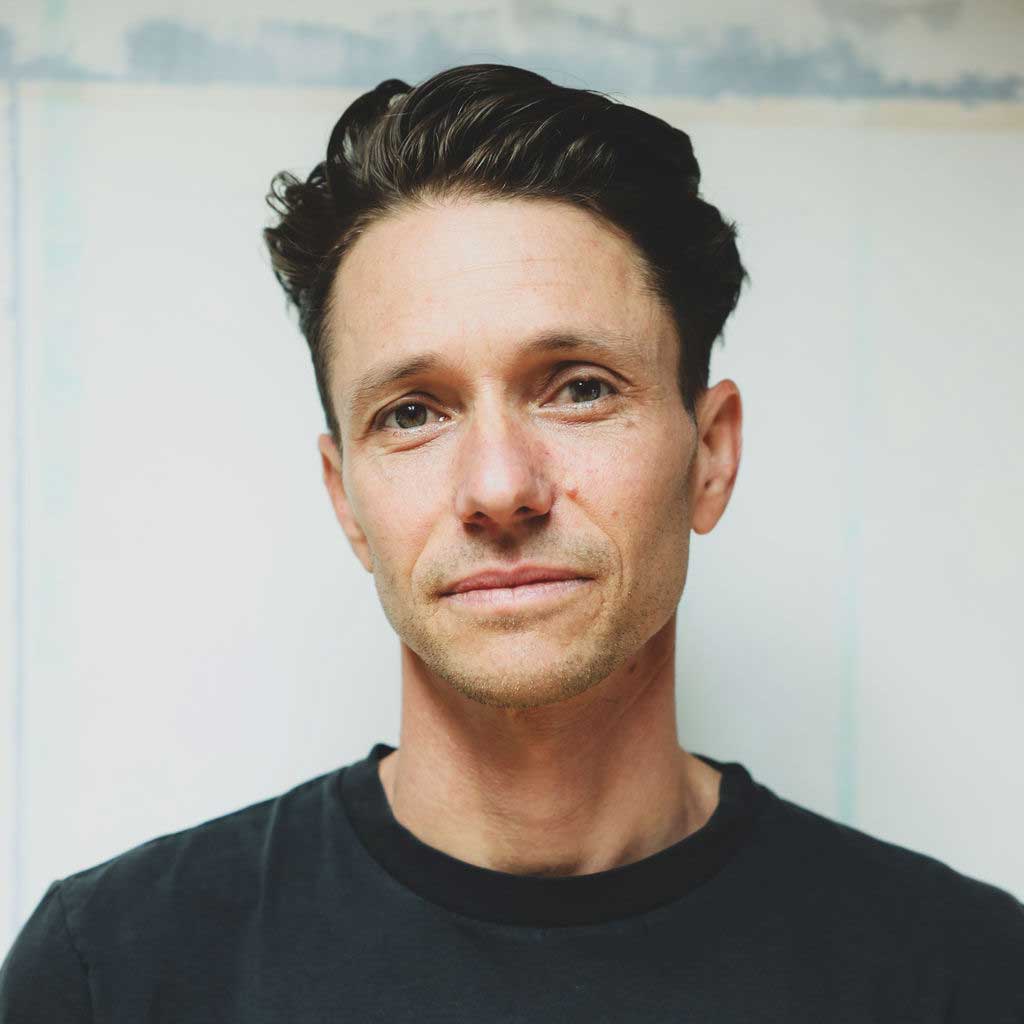
- Evan Bissell – “Experience As a Whole: Expanding the Boundaries of Cultural Strategy”
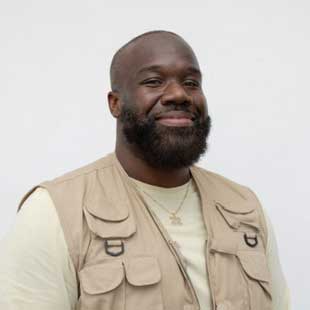
- Allen Kwabena Frimpong (nii.a.k) – “Building a Reparative Framework for Cultural Equity: Redesigning Creative Business Through Solidarity Economy”
- Tanya Mote – “Chicano Cultural Resistance, a Case Study Across Generations”
The Building Movement Project’s outline of the 5 basic stages of movement building starts with “Making visible the invisible.” This series makes culture visible as a front in the fight for justice, so we can hone our strategies and be intentional about where society goes from here.
Click here to read the other essays in the Why Culture Matters to Justice series.
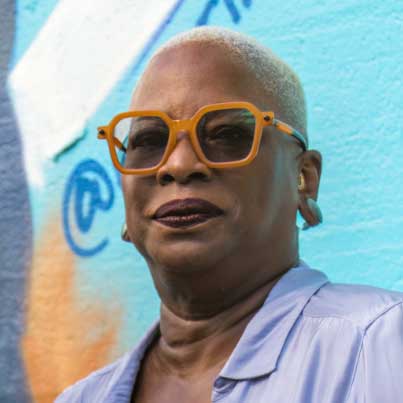
About Sage Crump
Sage Crump (she/her) is a culture strategist, artist, and movement facilitator who expands and deepens the relationship between the cultural sector and social justice organizing. Based in New Orleans but working nationally, she leverages creative practice and the cultural sector to transform systemic oppressions. Sage is a member of Complex Movements, a Detroit-based artist collective whose interdisciplinary work supports local and translocal visionary organizing. She is co-founder of The Kinfolk Effect (TKE), an incubation space for multimedia installation work that examines the movement of Blackness through time and space with artist muthi reed. Sage was an inaugural cultural strategy fellow at Opportunity Agenda and released a Cultural Strategy Toolkit. At NPN, she led Leveraging A Network for Equity (LANE) before founding the Department of Racial Justice & Movement Building in 2023; she was named Co-Executive Director in 2026. Sage is a former co-director of the Emergent Strategies Ideation Institute. She is a former member of LeftRoots, a member of the Guild of Future Architects, Women of Color in the Arts, and a board member with the Center for Cultural Innovation, Art2Action, Double Edge Theater, Change Elemental, and Mark-n-Sparks. Sage’s work incorporates movement history, complex sciences, emergent strategy, and creative practice to imagine the world we want to live in and build strategies and practices that will get us there.
Essays
Culture and the Moment
By Sage Crump
Coming Tue, October 20
What is Cultural Justice?
By Vanessa Whang

Coming Wed, October 21
Experience As a Whole: Expanding the Boundaries of Cultural Strategy
By Evan Bissell
Coming Thu, October 22
Building a Reparative Framework for Cultural Equity: Redesigning Creative Business Through Solidarity Economy
By Allen Kwabena Frimpong (nii.a.k)
Coming Fri, October 23
Chicano Cultural Resistance, a Case Study Across Generations
By Tanya Mote