Announcing the 2026 Creation Fund Artists
August 5, 2026 • 13 minute read
Top row, from left: A.I.M by Kyle Abraham, AniMalayaWorks Collective, Blanka Amezkua, Cecilia Benitez, and Ian Andrew Askew. Second row, from left: Keimaya Downey, Miguel Alejandro Castillo, Molodi, Orisirisi African Folklore, and Ova Saopeng / TeAda Productions. Third row, from left: Raja Feather Kelly | the feath3r theory, Ronald K. Brown / EVIDENCE, A Dance Company, Sones de México Ensemble, Symara Sarai, Team Sunshine Performance. Bottom row, from left: Verbal Oasis, Vershawn Sanders-Ward, Yaa Samar! Dance Theatre.
“WE HAVE THE RIGHT TO BE MOVED. Being moved to exhilaration, rage, joy, or tears calls us into life. From the private yearning spurred by a transcendent song to the collective energy of an enormous concert, being moved connects us to our bodies. We will fight for our right to experience life across all of our senses, because it is a fight for a life worth living.”
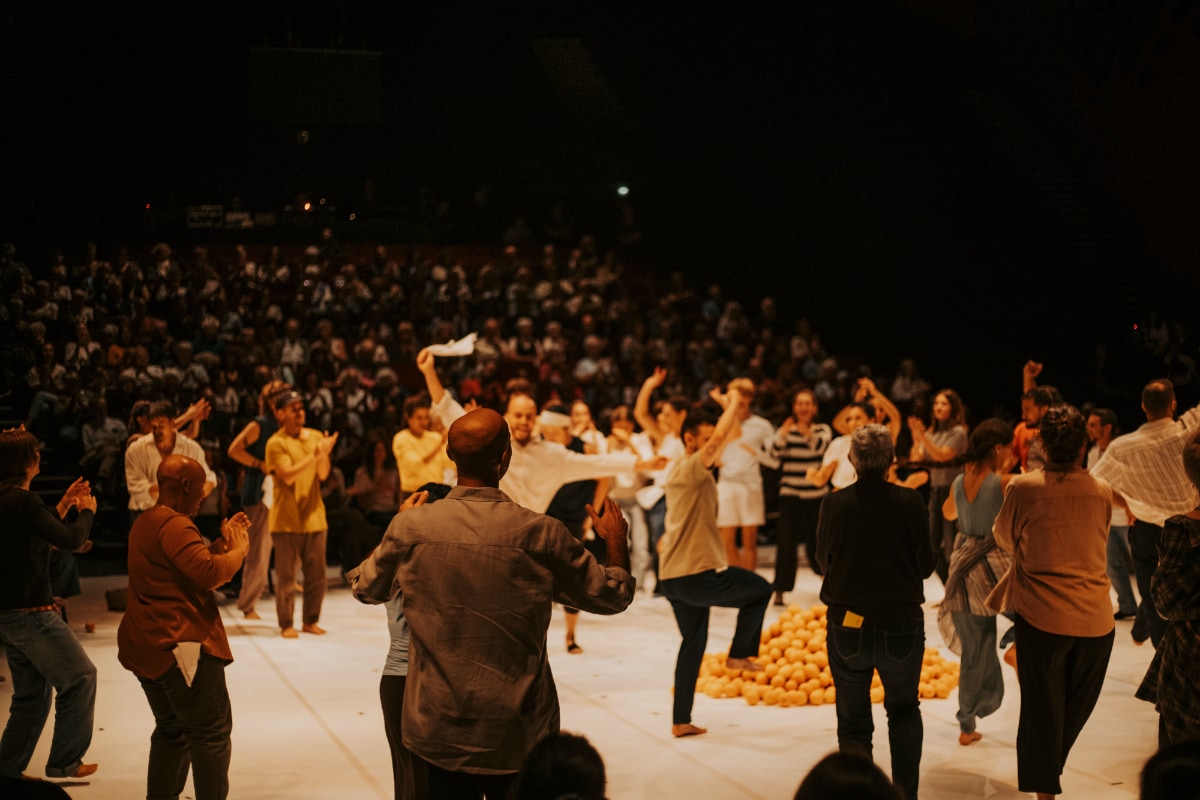
The National Performance Network (NPN) is proud to announce the 18 artists and collectives of the 2026 Creation Fund, which supports the development of new artistic works that advance racial and cultural justice.
This year’s projects embody liberation, including a series of dances set to the music of Kendrick Lamar that celebrate the Black experience; a site-specific community project that weaves together intergenerational Filipino/a/e and Latino/a/e migratory stories; an exploration of the first known medical book of the Americas, authored by Indigenous physician Martín de la Cruz; an experimental opera inspired by a 1940 musical that starred the celebrated Black singer, actor, and activist Paul Robeson; and a work that fuses stepping, body percussion, and storytelling to reclaim the legacy of African American percussive traditions.
Nearly 50 co-commissioning organizations have committed to support the creation, development, and presentation of these new works, spanning the country from Homer, Alaska to Ajo, Arizona; York, Alabama to Sheboygan, Wisconsin to Lewiston, Maine.
This year, NPN will distribute $319,000 in direct funds and co-commissioner matches, seed funding for 18 projects with combined budgets expected to exceed $900,000. Each will also receive additional guaranteed funding through NPN’s Development Fund.
“What makes NPN’s support particularly meaningful is … it does not simply fund projects; it fosters ecosystems of care, dialogue, and long-term growth. This has allowed me to not only create, but to more deeply understand what I am building and why.”
The Creation Fund has been a cornerstone NPN program since 1987, evolving through the years to address the intersections of economic, racial, aesthetic, and geographic justice through ethical practices that build artists’ power.
The program invests in artists and organizations committed to experimentation, freedom of expression, and the core principles of justice, dignity, and humanity for all. Since 2020, 89% of Creation Fund artists identify as Black, Indigenous, and/or People of Color, and 60% identify as trans or LGBTQIA+. While the independent arts sector is increasingly precarious, NPN’s holistic approach emphasizes sustained, reciprocal relationships as a path toward a more equitable and just system that benefits artists, presenters, and communities alike.
In an economy of deepening inequality, the systematic devaluation of creative labor has made sustaining a career as an artist harder than ever. Over the past four decades, NPN’s Creation Fund has helped build the careers of thousands of artists by providing the funding, access, ethical standards, and relational support necessary for risk-taking artists to thrive.
“What distinguishes NPN’s support from other funding I have received is its emphasis on relationship-building and community engagement as integral to the artistic process. NPN’s model recognizes that meaningful work is not created in isolation, but through sustained interaction with audiences, collaborators, and place. This approach not only strengthened Tropical Depression, but also expanded my understanding of how I can build projects that are both artistically rigorous and deeply embedded within the communities they serve.”
The Creation Fund advances NPN’s commitment to help build a more just and equitable world by:
- championing new artistic endeavors;
- promoting racial and cultural justice in the arts by expanding artist access to commissioning opportunities, ensuring equitable funding, and addressing geographic disparities;
- encouraging long-term relationships and authentic collaborations between artists, communities, and commissioners; and
- building the capacity of presenting organizations across the country to bring new artistic works to their communities.
As Phase 1 of the NPN Creation & Development Fund, the Creation Fund supports artists creating new work in its earliest stages, during the critical research and development period when funding sources are even more difficult to find. The fund provides a minimum of $15,000 in unrestricted funding to support the process and labor that goes into creating a new artistic work, and secures a commitment from co-commissioners to support a public engagement of the developed work.
Creation Fund-supported artists are then eligible to apply for further support through the Development Fund (Phase II), while co-commissioners who are NPN National Partners can apply to the Artist Engagement Fund (Phase III) to help cover artist fees to present the work.
“As a performing artist, the last five years have been challenging, from the pandemic to the writers/actors strikes, to the LA fires, work has been dwindling. Right before I received this Creation Fund award, I was beginning to wonder if it was time to choose a different path. This award re-energized my creative spirit and it renewed my sense of being artistically valued.”
Today’s U.S. arts infrastructure faces a wave of existential threats, including politically motivated cuts to federal arts funding; a climate of caution that discourages creative expression, especially concerning justice-focused work; attacks on equity and inclusion initiatives; and a shift in philanthropic and foundation funding away from intermediary programs like the Creation Fund that support large groups of artists over time.
In this climate, NPN considers it more important than ever to support the creation of these 18 new works, and the artists and organizations behind them.
“(The NPN Creation Fund Grant) provided me the structure to connect, to build, to test, to experiment, to accumulate, to start over, and grow alongside communities, collaborators and organizations I adore. Now, on the other side of the work, I am asking different questions, in deeper connection with those I began this work with, and also working with new communities I would not have been introduced to without NPN.”
The Creation and Development Fund is made possible with support from the Doris Duke Foundation, the Mellon Foundation, and co-commissioners.
2026 Creation Fund Artists
- A.I.M by Kyle Abraham
- AniMalayaWorks Collective
- Blanka Amezkua
- Cecilia Benitez
- Ian Andrew Askew
- Keimaya Downey
- Miguel Alejandro Castillo
- Molodi
- Orisirisi African Folklore
- Ova Saopeng / TeAda Productions
- Raja Feather Kelly | the feath3r theory
- Ronald K. Brown / EVIDENCE, A Dance Company
- Sones de México Ensemble
- Symara Sarai
- Team Sunshine Performance
- Verbal Oasis
- Vershawn Sanders-Ward
- Yaa Samar! Dance Theatre
A.I.M. by Kyle Abraham
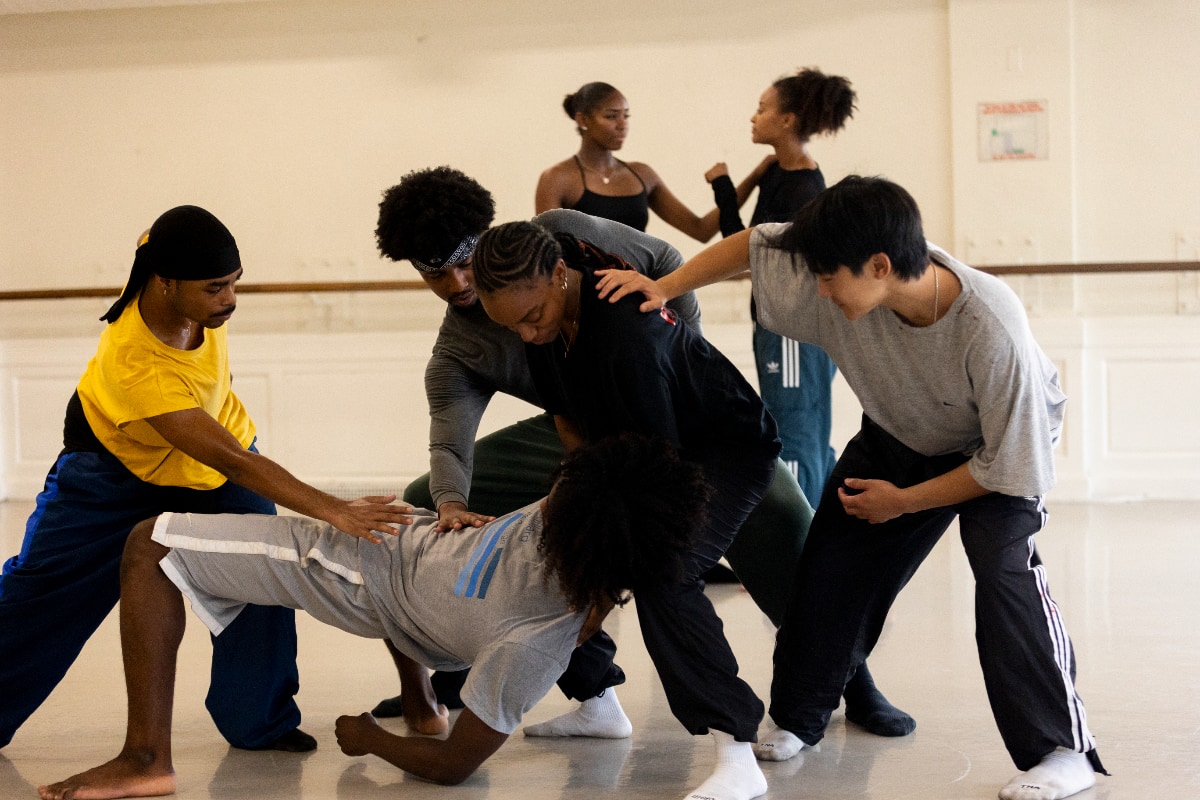
I Grieve Different (IGD) is a 70-minute dance work for 13 dancers set to the music of Kendrick Lamar. The second of four planned works celebrating the Black experience (following An Untitled Love, set to music of D’Angelo and centered on Black love), IGD examines anxiety, grief, and generational trauma while insisting on pathways toward healing, connection, and understanding. Drawing on Lamar’s poetic storytelling and Abraham’s lived experiences, the work creates a performance world that centers Black interiority with nuance, tenderness, tension, and humanity.
AniMalayaWorks Collective
Co-commissioners:
Multicultural Education and Counseling through the Arts (MECA) (Houston, TX)
Live Arts Miami (Miami, FL)
Filipino American National Historical Society Texas, Inc. (Houston, TX)
Bayou Barkada (New Orleans, LA)
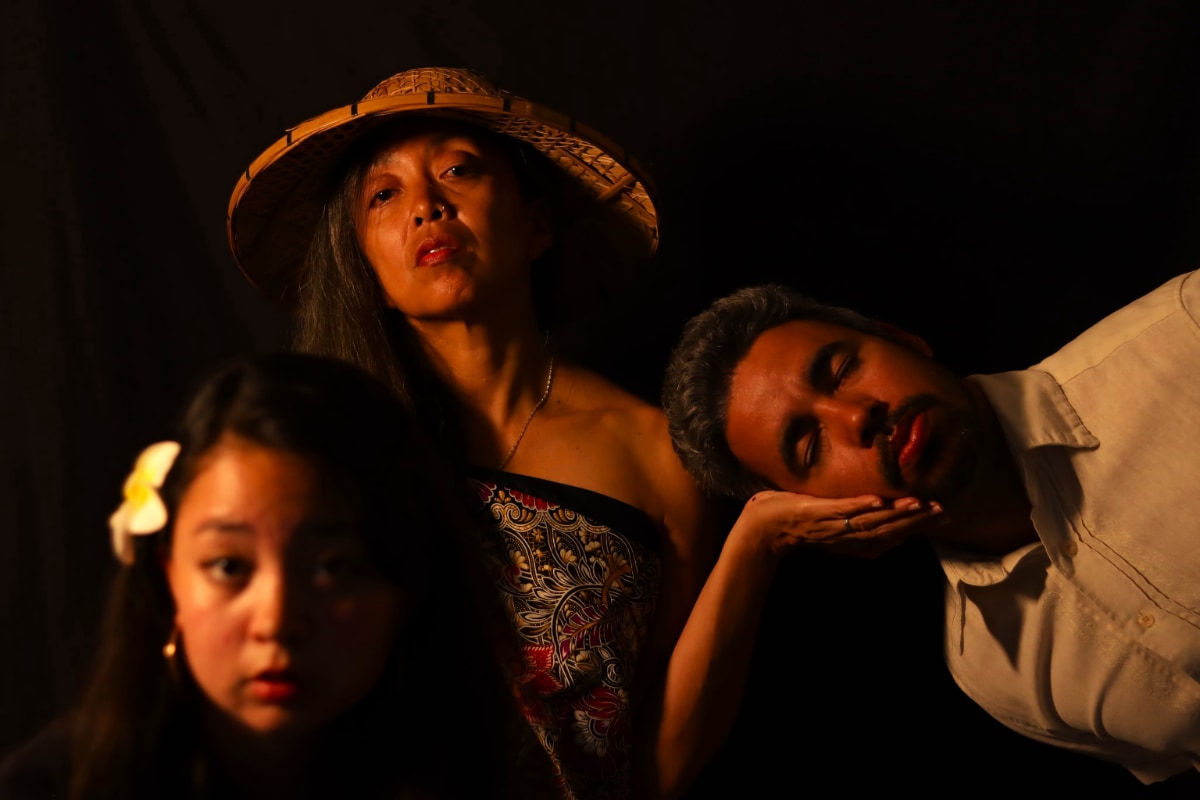
Agos (Tagalog for water currents) Y Viento (Spanish for wind) is a multidisciplinary, site-specific, participatory, and community-engaged project weaving together Filipino/a/e and Latino/a/e migratory stories from pre-colonial times to the present, highlighting a cross-cultural family—a Filipina immigrant mother, a first-generation American daughter, and a Cuban immigrant father—all telling stories of cultural memory, colonial entanglements, and migratory stories. Through Sarswela/Zarzuela (opera), dance, and experimental audio theater, Agos Y Viento shares colonial histories and oral stories harvested from community-engaged workshops, allowing participants to shape a collective work.
Blanka Amezkua
Co-commissioners:
Guadalupe Cultural Arts Center (San Antonio, TX)
UTSA Arts at the University of Texas at San Antonio (San Antonio, TX)
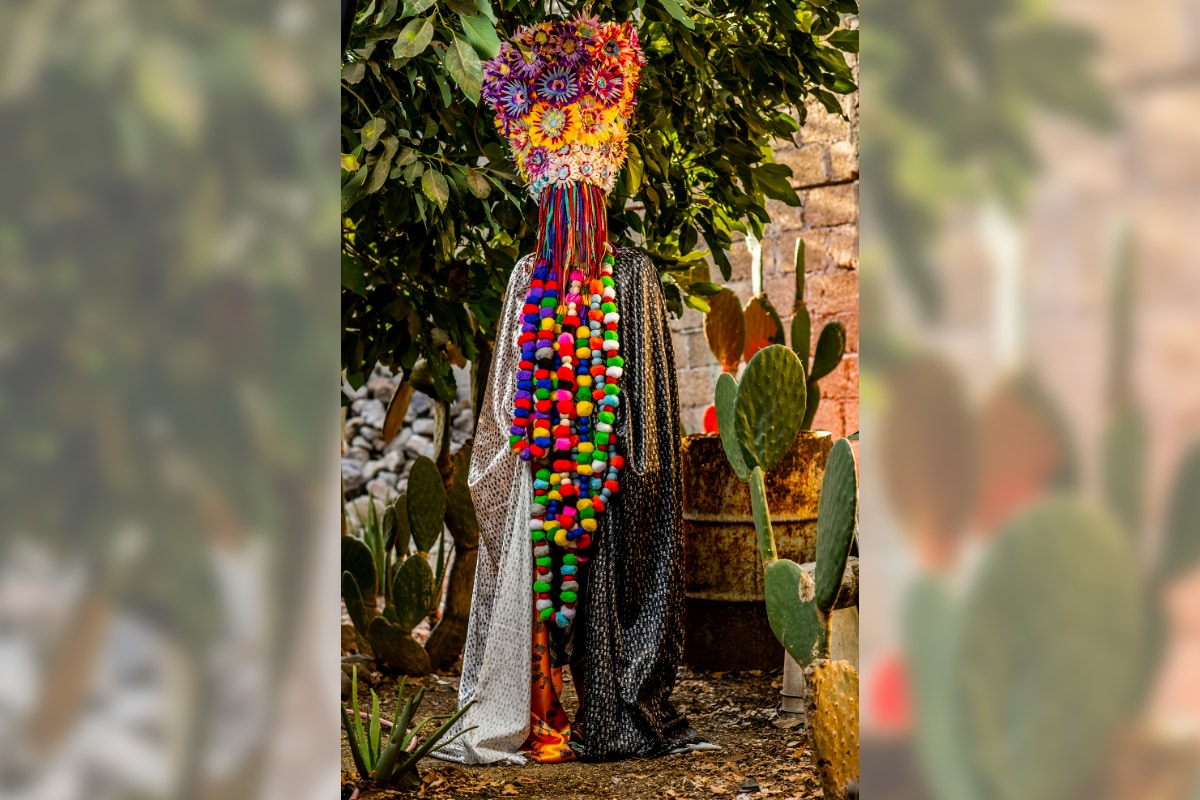
Codex in Motion: A Living Apothecary is a multidisciplinary environmental performance project that activates the botanical knowledge recorded in the 1552 Codex de la Cruz-Badiano, the earliest known medical book produced in the Americas. Codex in Motion reimagines each chapter of the Codex de la Cruz-Badiano as a living, performative environment, with the medicinal knowledge recorded in the 16th-century manuscript adapted to performance through movement, mask-making, costuming, choreography, and multilingual voices.
Cecilia Benitez
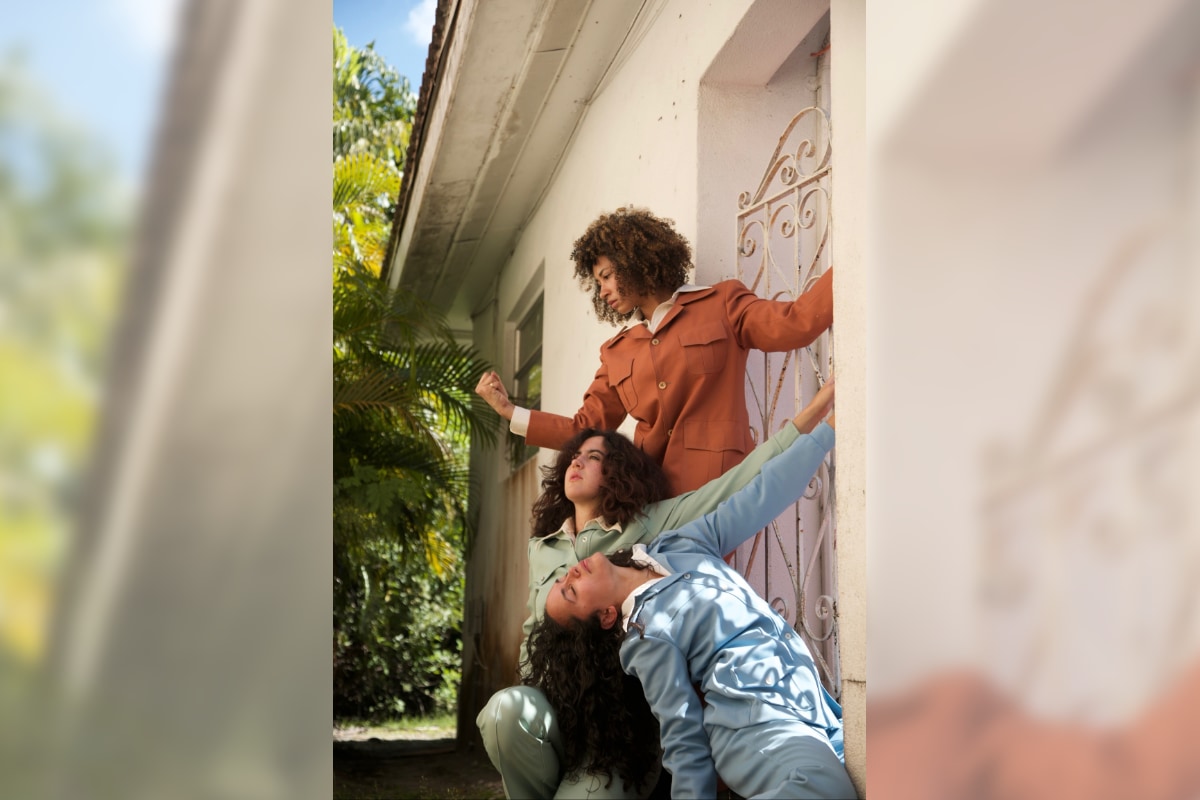
Asimilado is a dance theater work that examines the contradictions in the pursuit of the “American Dream.” Through personal and collective narratives that combine dance, song, and text, the work explores how systems of assimilation shape identity and political consciousness across generations, and examines the emotional and cultural costs of seeking acceptance within systems that demand erasure. Asimilado creates space to confront the tensions between belonging and self-preservation, and to consider what it means to build identity without abandoning one another.
Ian Andrew Askew
Sorry John Henry the song has no end is an experimental opera inspired by the 1940 Broadway production John Henry, about the legendary Black railroad worker and folk hero, which toured to Boston and Philadelphia before arriving in New York and closing after only five performances. The musical starred Paul Robeson in the title role alongside a notable cast of other artist-activists including Ruby Elzy, Josh White, and Bayard Rustin. This new opera resurrects and exercises archival text, music, and images to reconsider stories of land, labor, and freedom that weave through the many renditions of the John Henry story.
Keimaya Downey
Co-commissioners:
Coleman Center for the Arts (York, AL)
Flourish Alabama (Birmingham, AL)
Hattie Evans Family Foundation (Birmingham, AL)
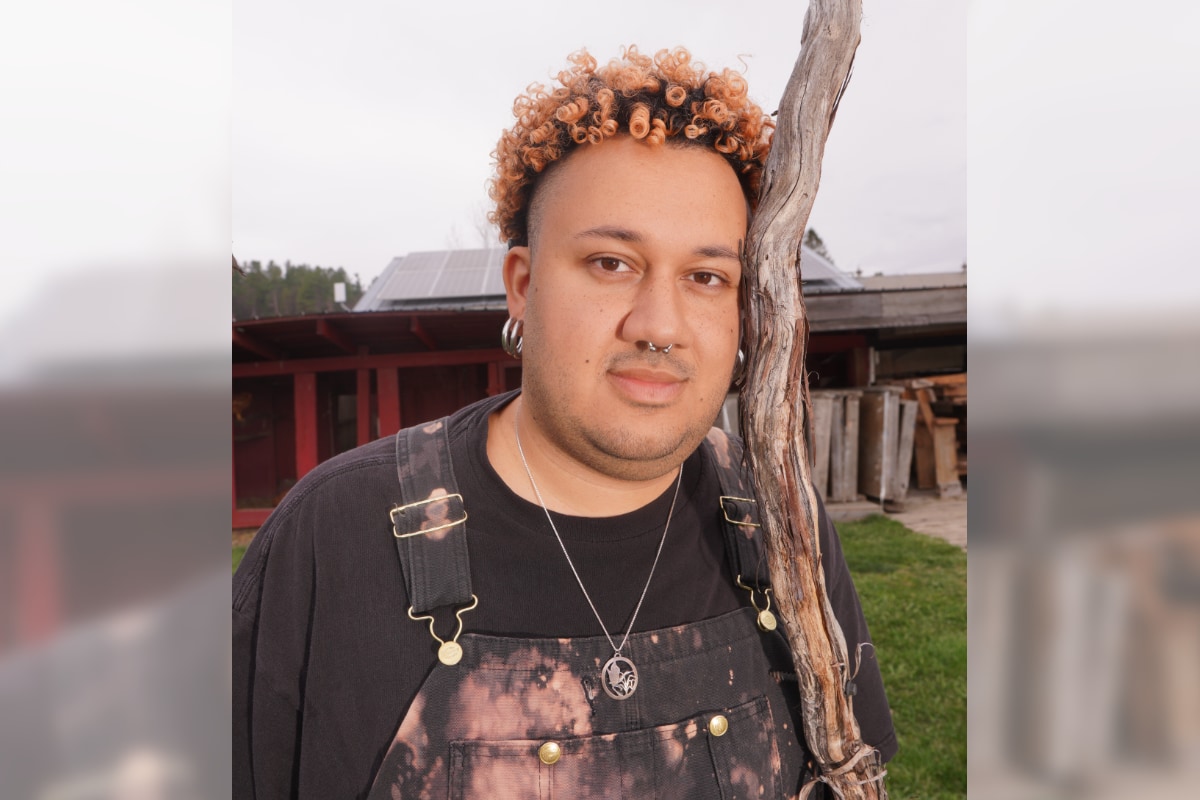
Rootwork: words on the way home is a Black Southern interdisciplinary residency and community exchange project developed across Birmingham, Alabama’s Black Belt region, and New York City through the Flourish Fellows Residency. Writer and facilitator Keimaya Downey will develop words on the way home, an immersive literary and spoken word experience exploring healing, grief, identity, self-reclamation, and emotional becoming through poetry, storytelling, reflection, and participatory public engagement.
Miguel Alejandro Castillo
Co-commissioners:
Museum of Contemporary Art Chicago (MCA) (Chicago, IL)
Henry Street Settlement (New York, NY)
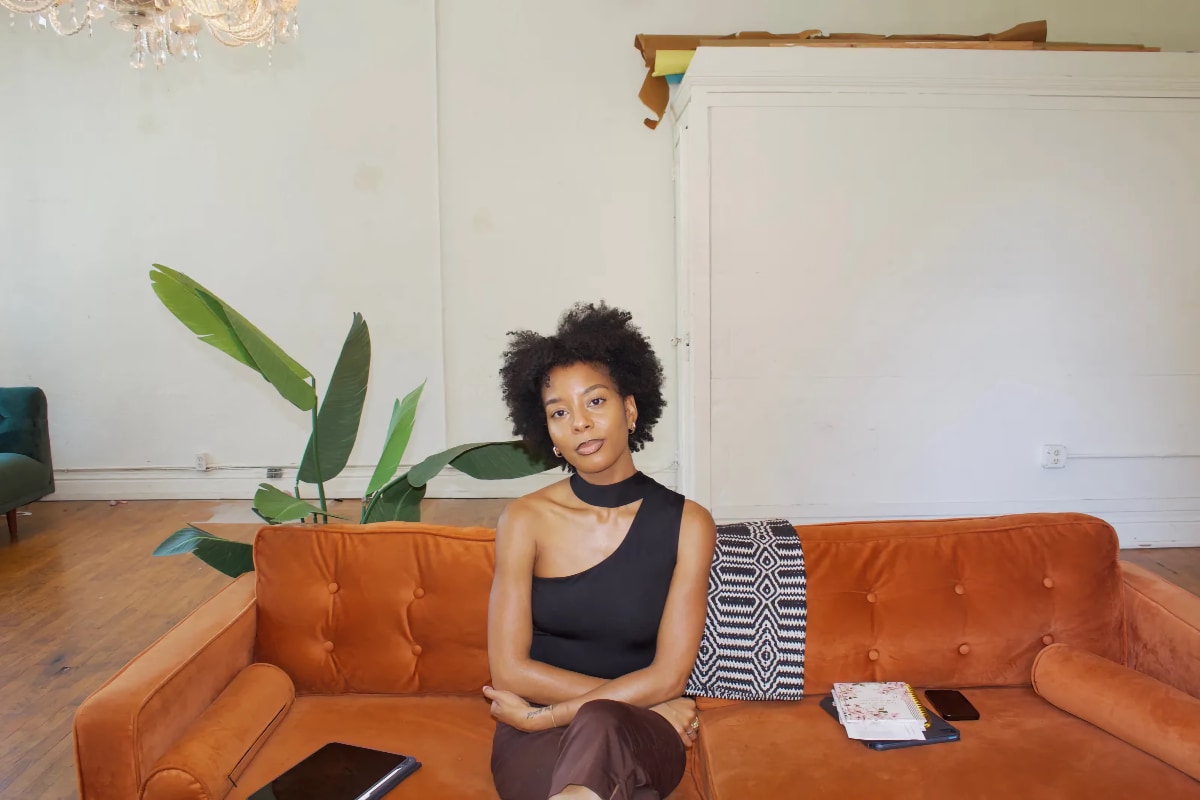
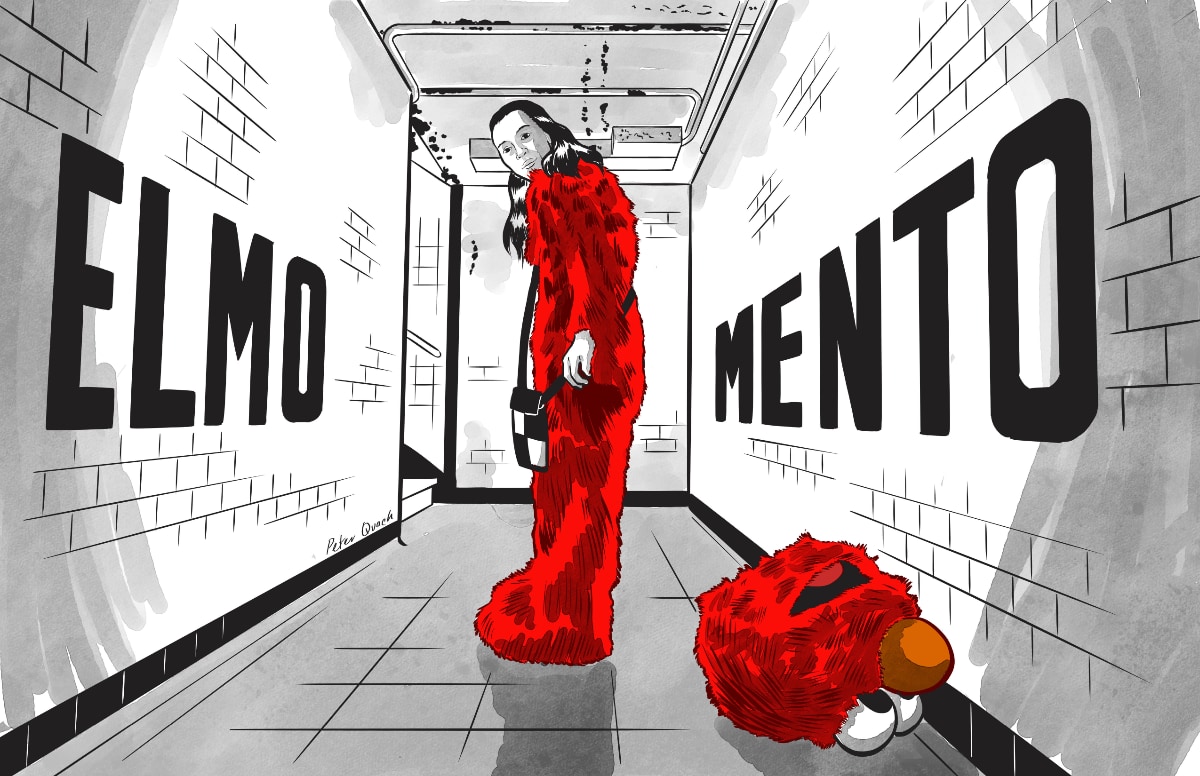
ELMO-MENTO is a multidisciplinary dance-theater work, centering the stories of immigrant New Yorkers who make a living as cartoon character street performers in Times Square. Conceived by inter-disciplinary artist Miguel Alejandro Castillo in collaboration with researcher-artist Carolina Alonso Bejarano, and devised with a cast of street performers, this piece investigates notions of labor, anonymity, hybridity, and migration by blending personal narratives with surreal embodiment, and challenges audiences to consider who is seen, who remains invisible, and what it means to truly belong.
Molodi
Co-commissioners:
Carver Community Cultural Center (San Antonio, TX)
UTSA Arts at the University of Texas at San Antonio (San Antonio, TX)
Let Us Play is a multidisciplinary performance and community engagement project inspired by Molodi’s journey to Ghana during the “Year of the Return.” The work fuses stepping, body percussion, and immersive storytelling to reclaim the powerful legacy of African American percussive traditions born when enslaved Africans were denied drums and transformed the human body into an instrument of rhythm, resistance, memory, and celebration.
Orisirisi African Folklore
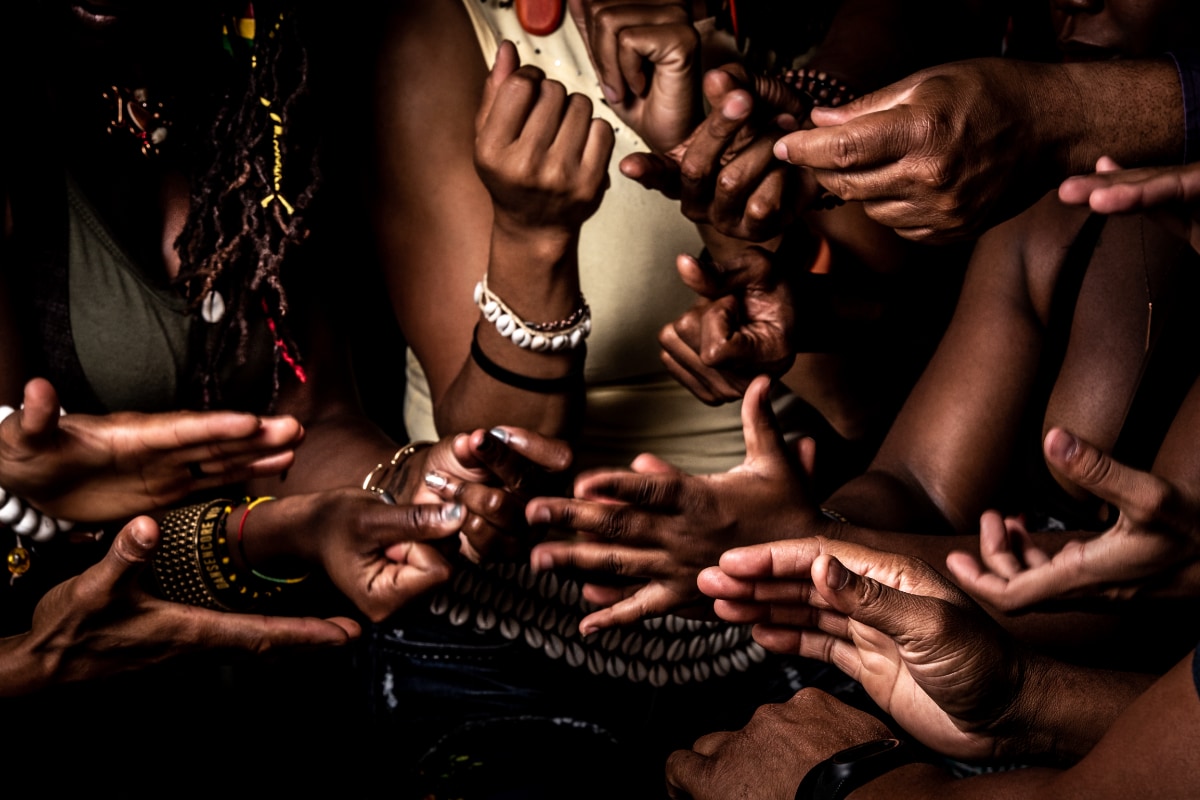
Drum Sermons: The Epilogue is a multidisciplinary film and stage work that explores the enduring cultural, spiritual, and historical power of the African drum as a vehicle for memory, resistance, healing, and communal identity across the African diaspora. Blending live performance, cinematic storytelling, music, dance, and African-centered narrative traditions, Drum Sermons creates an immersive experience that connects ancestral knowledge to contemporary cultural expression.
Ova Saopeng / TeAda Productions
Co-commissioners:
TeAda Productions (Los Angeles, CA)
The Living Word Project (San Francisco, CA)
Bunnell Street Arts Center (Homer, AK)
Perseverance Theatre (Juneau, AK)
7 Stages (Atlanta, GA)
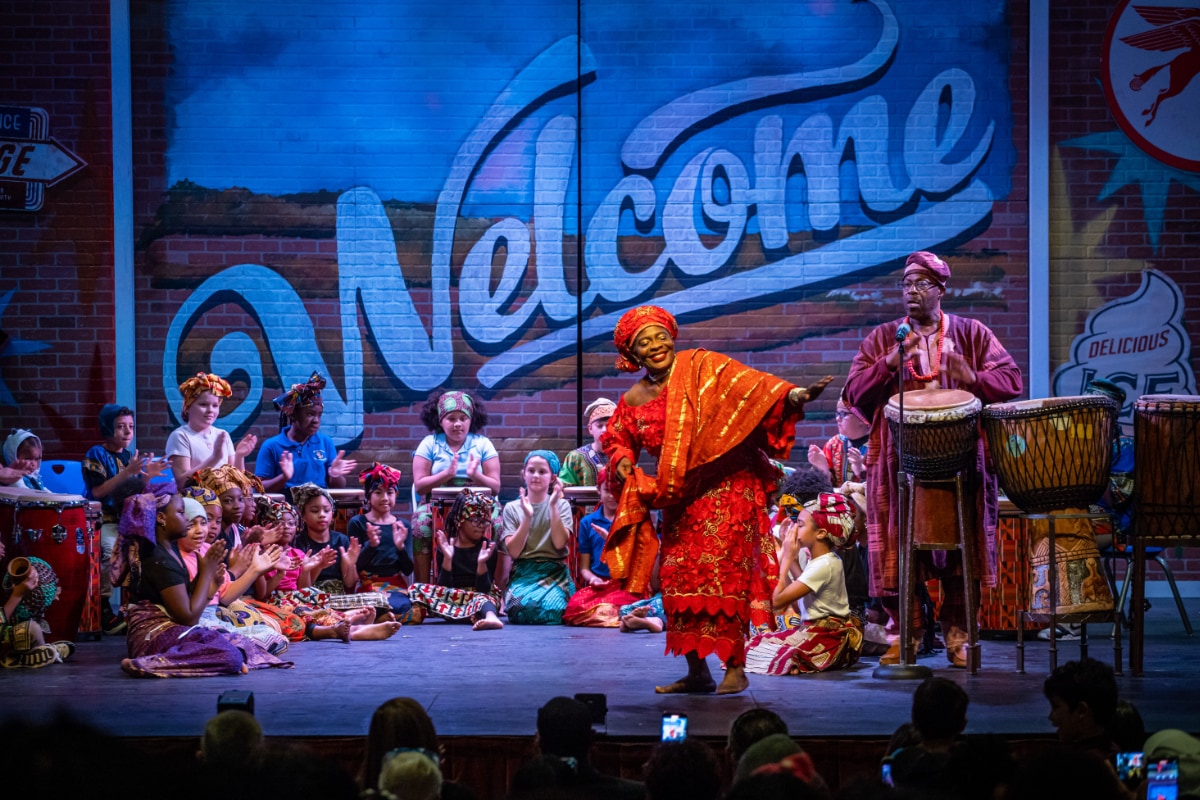
Lao as a Second Language (LSL) is a solo performance that flips the framework of English as a Second Language (ESL), transforming the English-speaking audience into Lao language learners, and recreating for them the experiences that refugees who don’t speak English face in U.S. classrooms. Part auto-biographical and part collective advocacy, LSL humanizes the impacts of U.S. immigration policies through the stories of Lao American deportees, and upends the power dynamics of the majority to navigate the disorientation and vulnerability of refugees on this journey.
Raja Feather Kelly | the feath3r theory
Co-commissioners:
New York Live Arts (New York, NY)
Bates Dance Festival (Lewiston, ME)
Roy and Edna Disney CalArts Theater / REDCAT (Los Angeles, CA)
Kaatsbaan Cultural Park (Tivoli, NY)
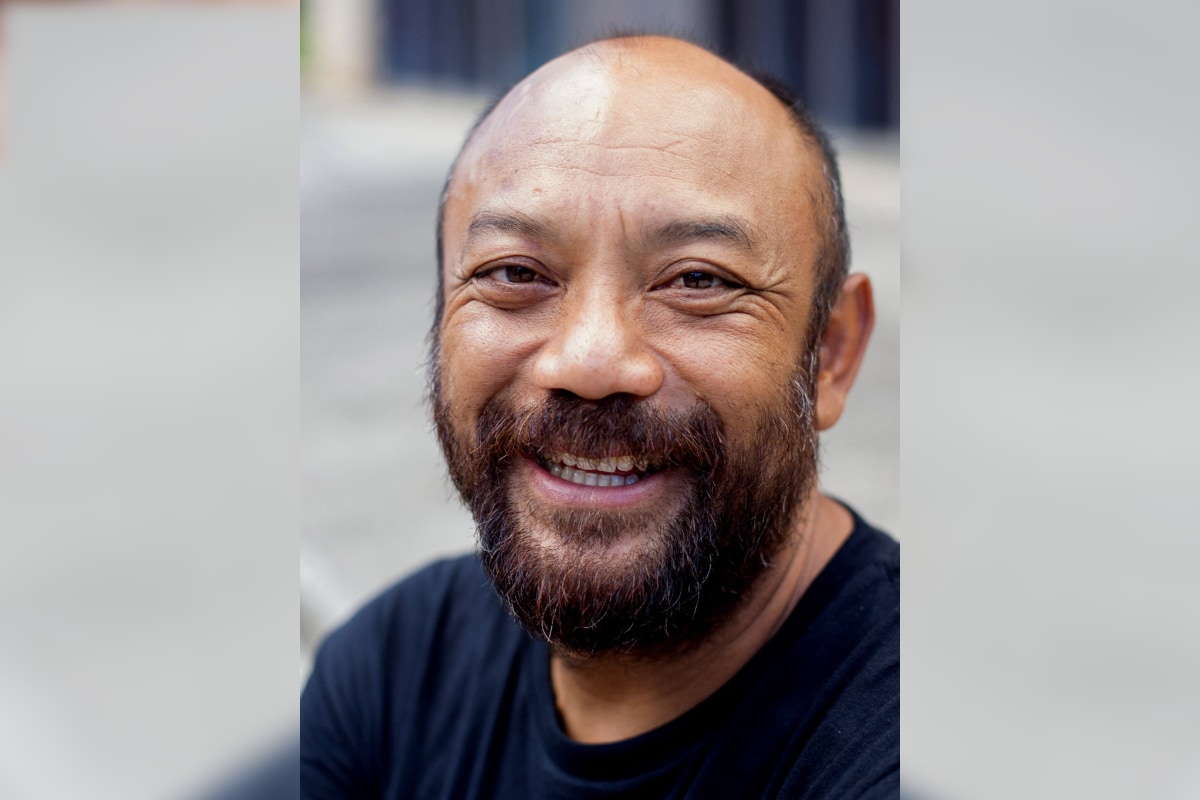
DOOMERS is a danced-theatre investigation of danger as both threat and threshold: how it lives in the body, how in search for connection intimacy itself can be perilous, and how media shapes our sympathies for violence and collapse. Inspired by Claire Bishop’s Disordered Attention and Daniel Sherrell’s Warmth, the work asks what it means to live at the hinge between digital saturation and planetary crisis, between the infinite scroll and the finite planet. In this space, the body becomes a site of translation, distortion, and possibility.
Ronald K. Brown / EVIDENCE, A Dance Company
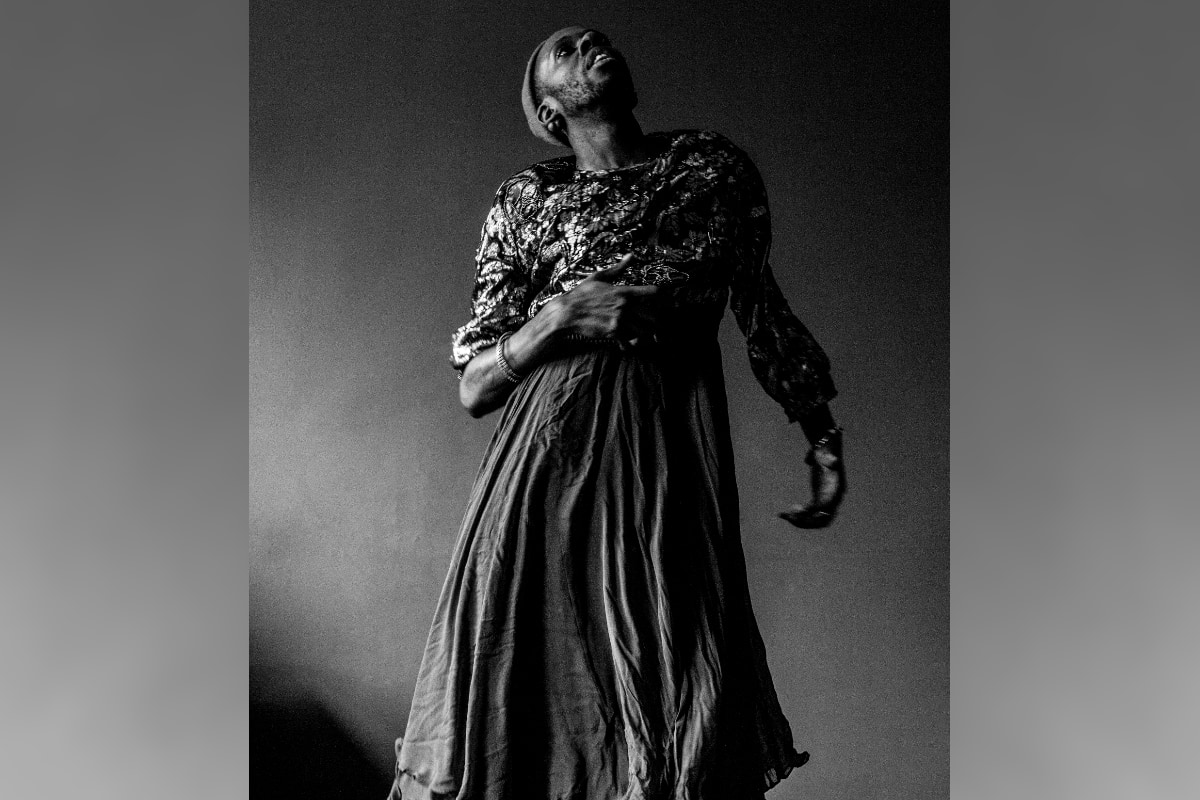
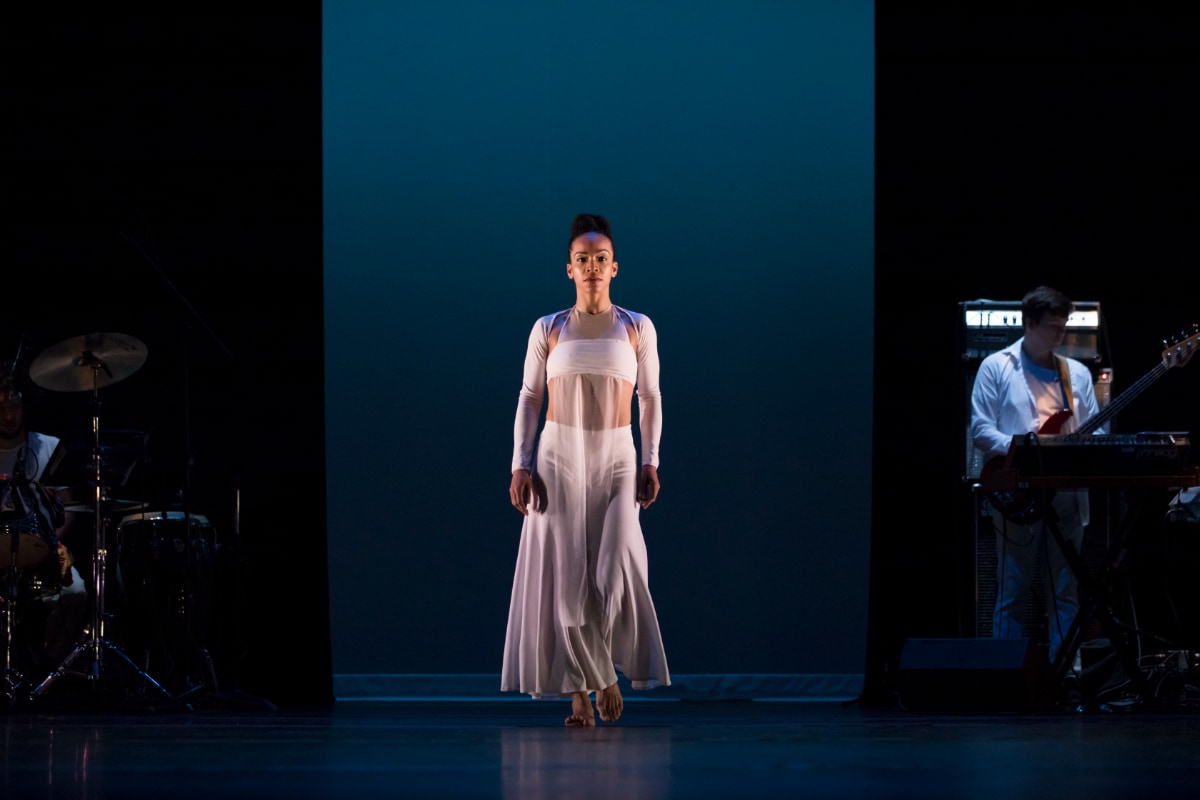
Faith, a companion piece to choreographer Ronald K. Brown’s Mercy (2019) and his seminal masterwork Grace (1999), is a work for nine dancers produced in collaboration with Associate Artistic Director Arcell Cabuag. Presented as the conclusion to an evening-length performance with Grace and Mercy, Faith guides audiences through an exploration of how faith, and the loss of it, intersects with neighbors, communities, leaders, and the world, and encourages optimism over fear. Together, the three works expand the audience for contemporary dance rooted in African diasporic traditions, and facilitate inter-generational dialogue in communities of color that have been traditionally overlooked.
Sones de México Ensemble
Co-commissioners:
Su Teatro Cultural & Performing Arts Center (Denver, CO)
Multicultural Education and Counseling through the Arts (MECA) (Houston, TX)
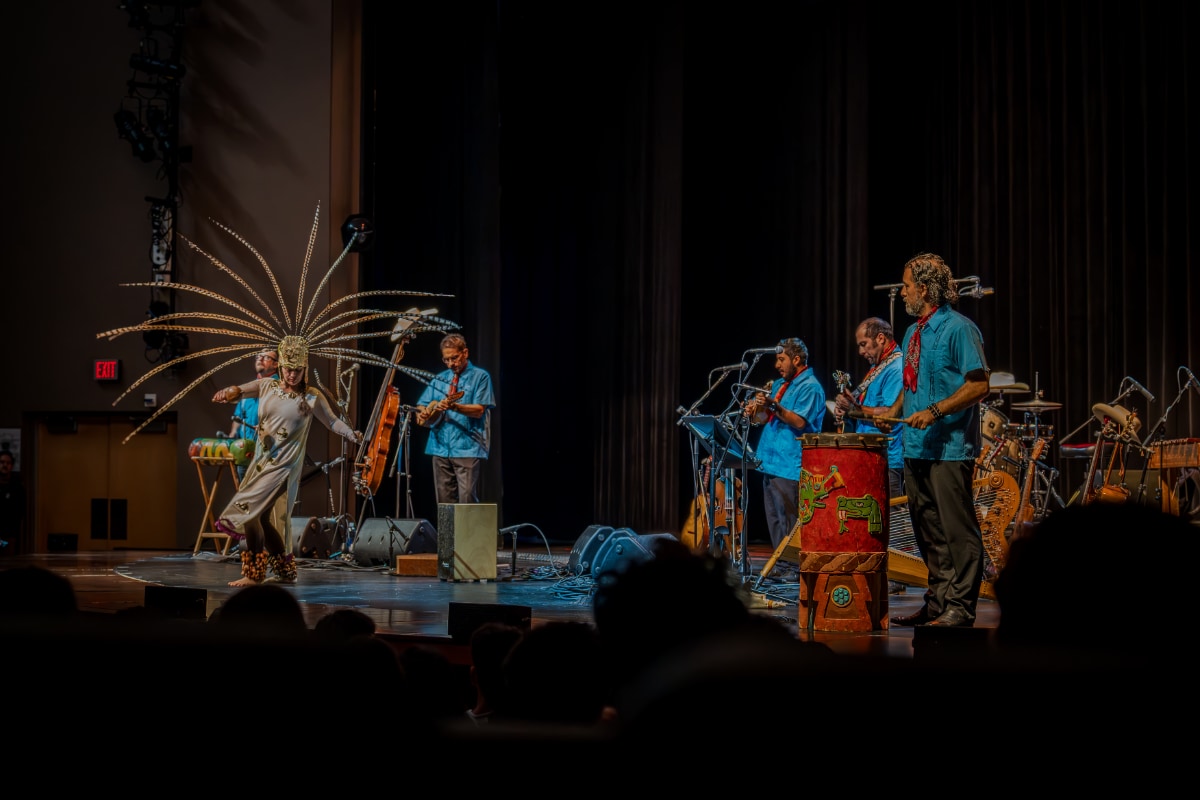
The Secret Life of Birds is a performance that blends Mexican folk music, dance, poetry, and visual art to portray migratory birds as both essential biological species and powerful cultural symbols of human migration. Created by Sones de México Ensemble, a two-time Grammy-nominated sextet co-founded by two immigrant 2026 NEA National Heritage Fellows, the work draws on ornithology, bird calls, and regional styles of traditional Mexican son to tell a story about the shared drama of bird and human migration—especially between Mexico and the United States—while inspiring communities to reflect, conserve, and act for social change.
Symara Sarai
Co-commissioners:
Performance Space New York (New York, NY)
Bates Dance Festival (Lewiston, ME)
Portland Institute for Contemporary Art (PICA) (Portland, OR)
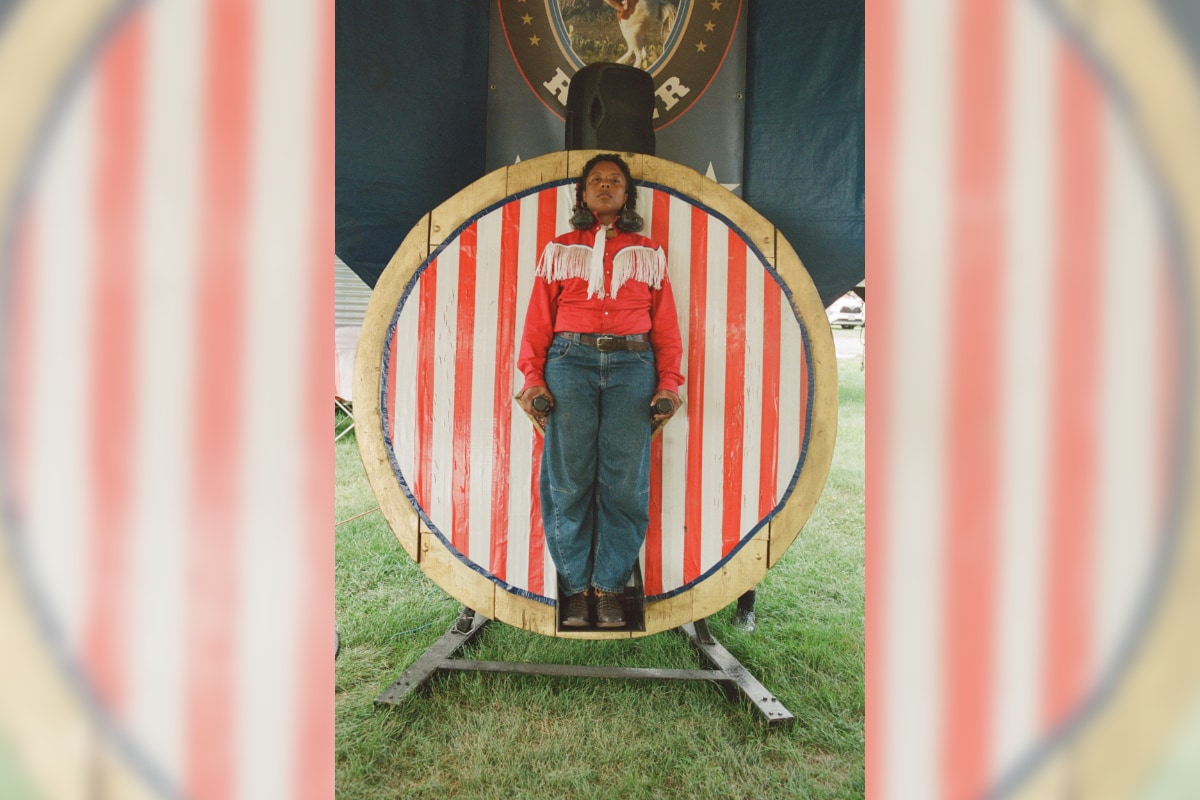
Circus to Get Home combines dance, live action, and visual documentation to reflect on love as a series of embodied negotiations shaped by vulnerability and trust. The work draws from artist Samara Sarai’s personal experiences, as well as culturally inherited entities such as Moko Jumbie, a stilt-walking spiritual presence from her homeland of Trinidad and Tobago that was historically a protective force during the transatlantic slave trade and is now embodied in Carnival traditions. By reflecting on love formed through negotiated risk, mutual reliance, and embodied confidence, Circus explores how intimacy can manifest in unconventional and spiritually resonant forms.
Team Sunshine Performance
Co-commissioners:
Asian Arts Initiative (Philadelphia, PA)
FringeArts (Philadelphia, PA)
Pao Arts Center (Boston, MA)
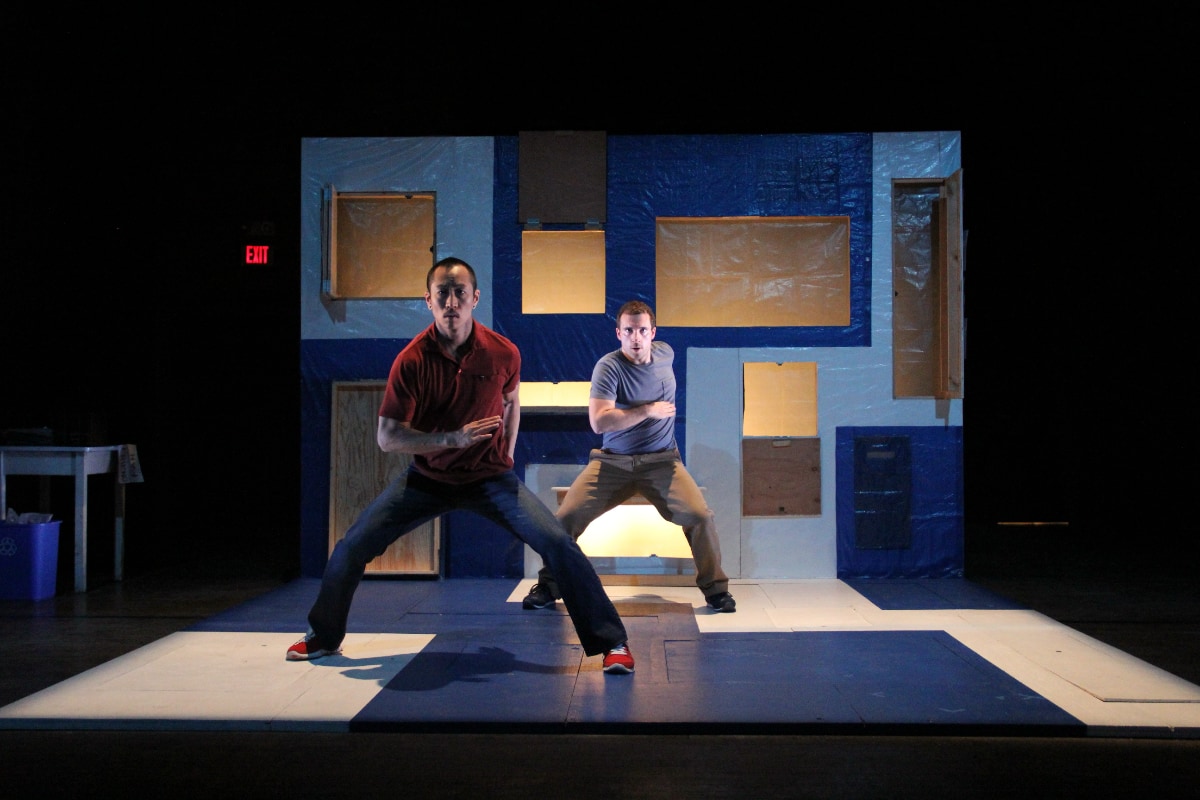
Mister Saigon examines the experiences of Asian American male theater artists through interviews with performers of the musical Miss Saigon. The piece explores identity, representation, cultural expectations, and the pressures Asian American men navigate both within the performing arts industry and beyond.
Verbal Oasis
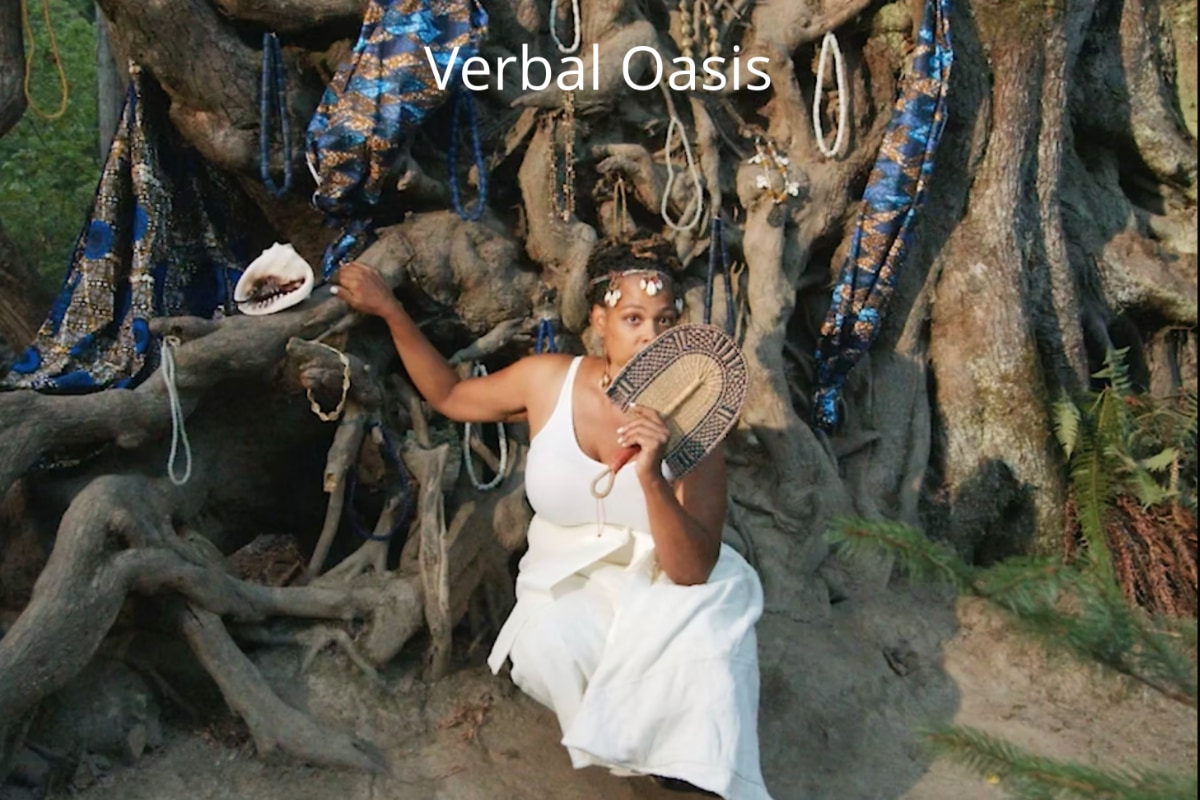
Mama’z Muezzeum is a multi-sensory performance, mixed-media art installation, and guided storytelling experience that connects African ancestral memory with the lived experiences of Black mothers. Conceptualized, curated, and performed by Monique Franklin (Verbal Oasis), the project creates an immersive environment where poetry, ritual, visual art, and community participation come together as a space for reflection, healing, and creative expression.
Vershawn Sanders-Ward
Co-commissioners:
SLIPPAGE: Performance | Culture | Technology (Evanston, IL)
Red Clay Dance Company (Chicago, IL)
John Michael Kohler Arts Center (Sheboygan, WI)
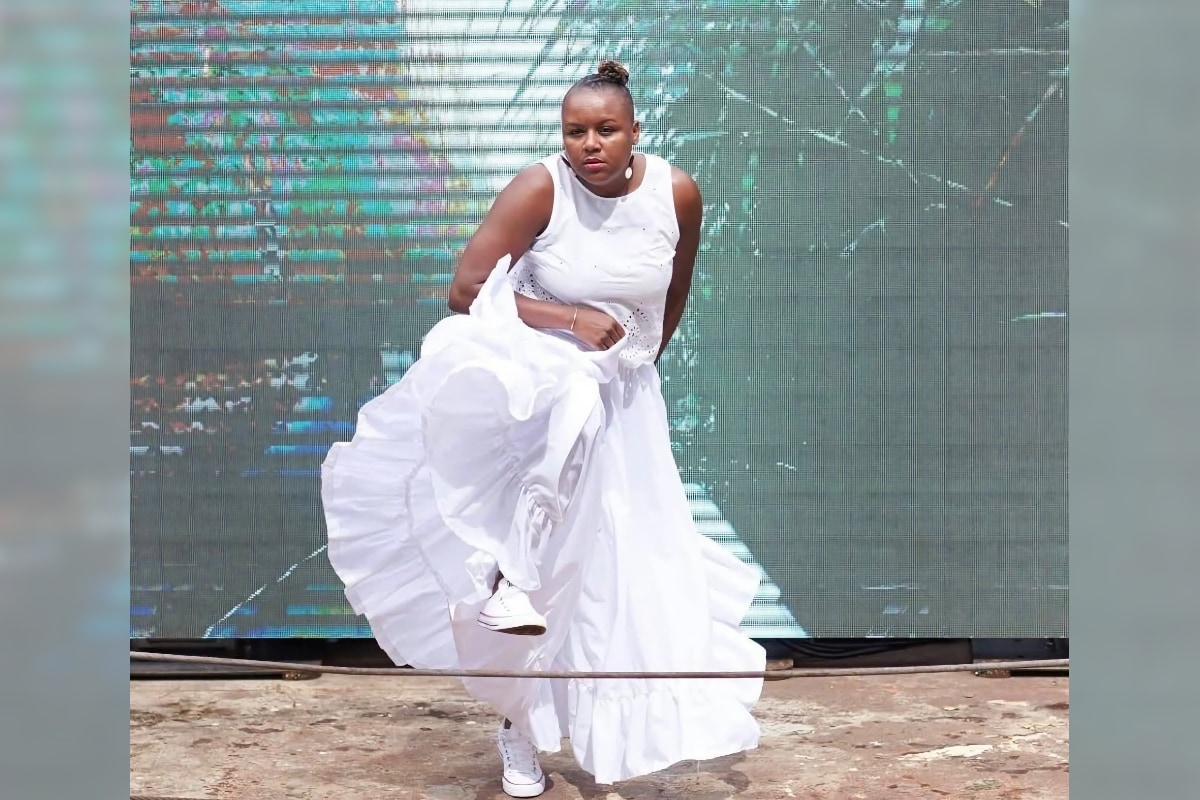
Choreographer Vershawn Sanders-Ward’s WE THE PEOPLE, a multi-year choreographic and community engagement initiative grounded in the artist’s Embodied Community Engagement Praxis, centers movement as a site where law, history, memory, and lived experience intersect, allowing participants to engage with concepts of access, exclusion, agency, and collective responsibility. WE THE PEOPLE examines 14th Amendment’s evolving role in defining citizenship and equal protection, and how belonging is embodied, contested, and reimagined, particularly within Black communities navigating ongoing systems of racial and civic exclusion.
Yaa Samar! Dance Theatre
Yaa Samar! Dance Theatre’s Gathering Initiative combines storytelling, movement, and audience participation to tell the joyful and heartbreaking story of a Palestinian wedding that takes a tragic turn after an attack on the village. The work centers gathering itself as an act of celebration, mourning, resilience, and resistance against erasure. Through research, relationship-building, and creative exchange with community partners, Yaa Samar! Dance Theatre seeks to develop a framework for creating participatory performances rooted in local collaboration, collective storytelling, and embodied creative practice.