
March 2026 News
April 22, 2026 • 5 minute read
The stories we tell carry our legacies. They uncover the truths obscured by dominant systems and lay the roadmaps for our liberation. In this issue we explore the culture-shifting power of storytelling, including artists reclaiming identity and heritage, how sharing civic stories can remedy our fractured world, and the art of weaving new stories to guide us toward our desired future.
Voices from the Network
“Preservation Through Storytelling”
An Interview with Take Notice Fund Artist Zandashé Brown
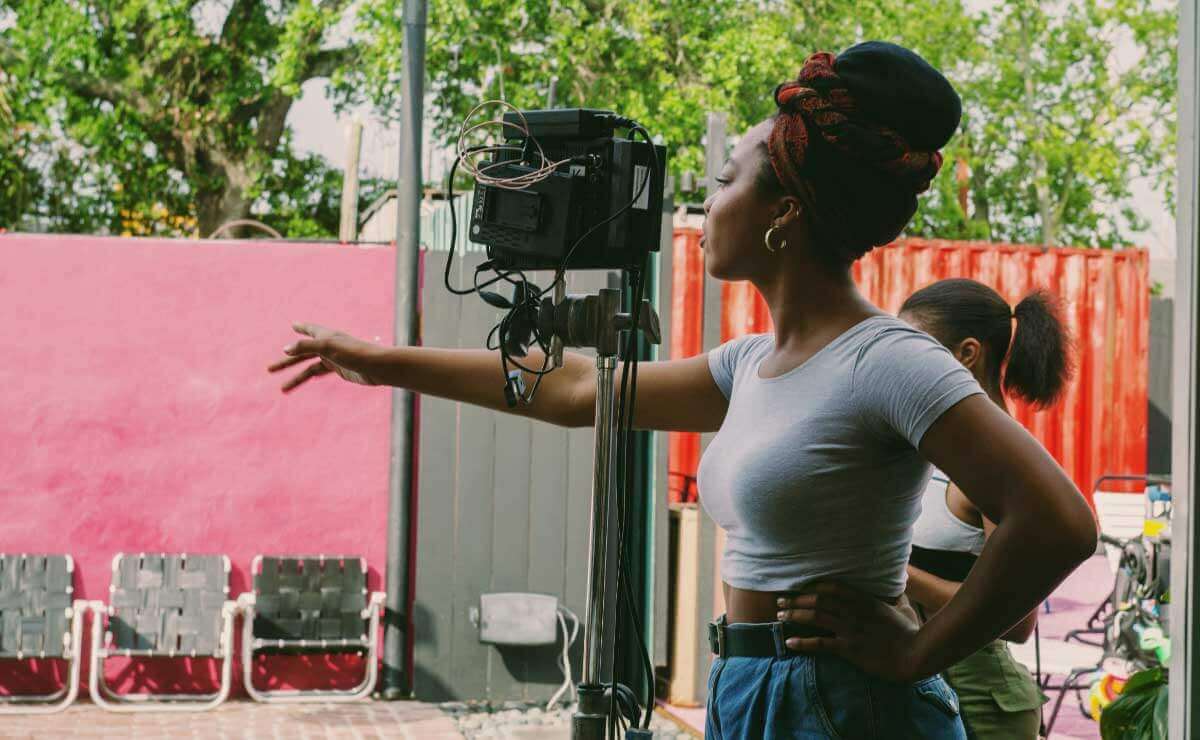
Writer and director Zandashé Brown grew up in Rosedale, a small village in rural Louisiana, immersed in the storytelling and folklore of the American South. Now she makes what she calls Black Southern Gothic horror, a genre “at the intersection of horror, psychology, and spirituality, and the experience of living in the Black South,” to reclaim misrepresented spiritual traditions, explore personal crises like her mother’s six-year battle with psychosis, and preserve the culture and stories of Black rural Louisiana before they’re lost to climate change.
“There’s a reckoning with our past that happens through Southern Gothic film.”
Read the full interview on our Voices from the Network blog.
Mixed Metaphor
Weaving Liberated Narratives: The Art of Storytelling
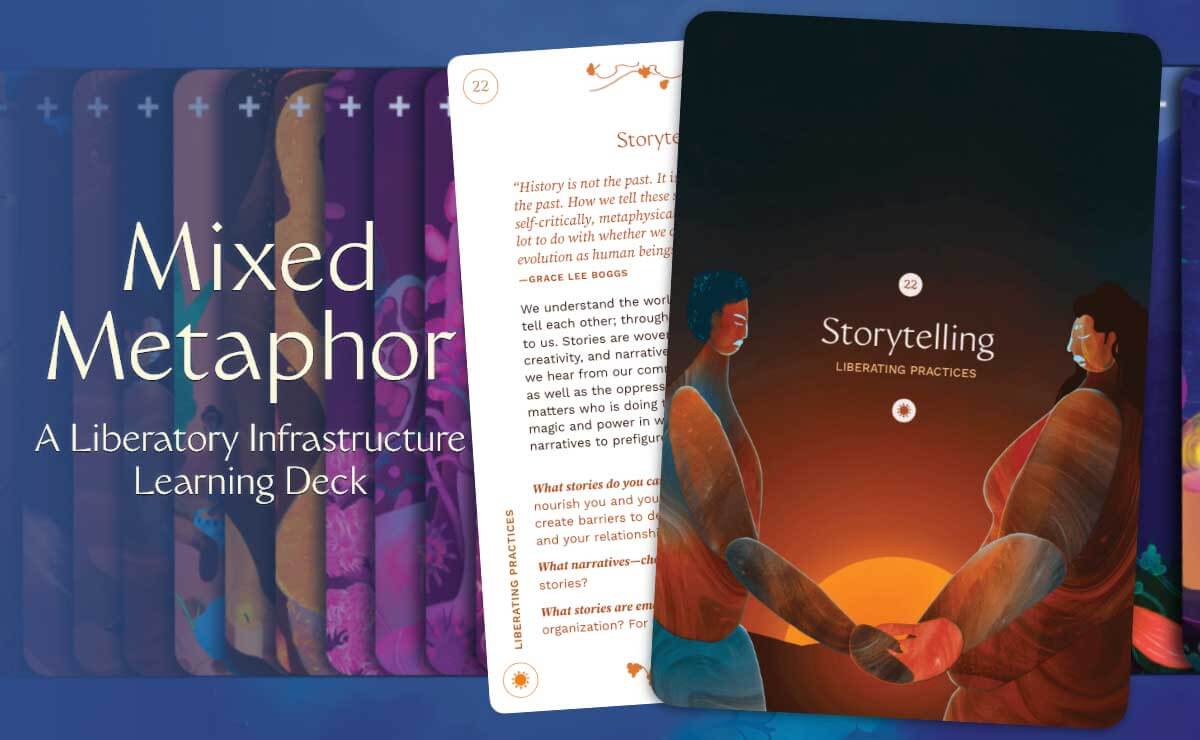
“History is not the past. It is the stories we tell about the past. How we tell these stories… has a lot to do with whether we cut short or advance our evolution as human beings.”
Where do the stories we carry come from, and what happens when we weave new ones? Card 22 of the Mixed Metaphor Liberatory Learning Deck, “Storytelling,” invites reflection on the narratives that shape us, who gets to tell them, and the power of crafting liberated narratives toward the world we want.
Explore this card and others directly on your phone or desktop with our interactive Mixed Metaphor Liberatory Learning Deck.
From the Field
Building Healthy Organizations in Times of Immense Stress
When external forces threaten our organizations, we pay attention. But what about the cracks that form from within? “Transforming Our Organizations, Transforming Ourselves” from Convergence Magazine, featuring NPN Director of Racial Justice and Movement Building Sage Crump and other movement leaders, offers examples of how organizations are navigating internal culture shifts under the pressures of 2026 from re-examining urgency to addressing anti-Blackness to clarifying roles and decision-making.
Strata
What’s Under the Surface
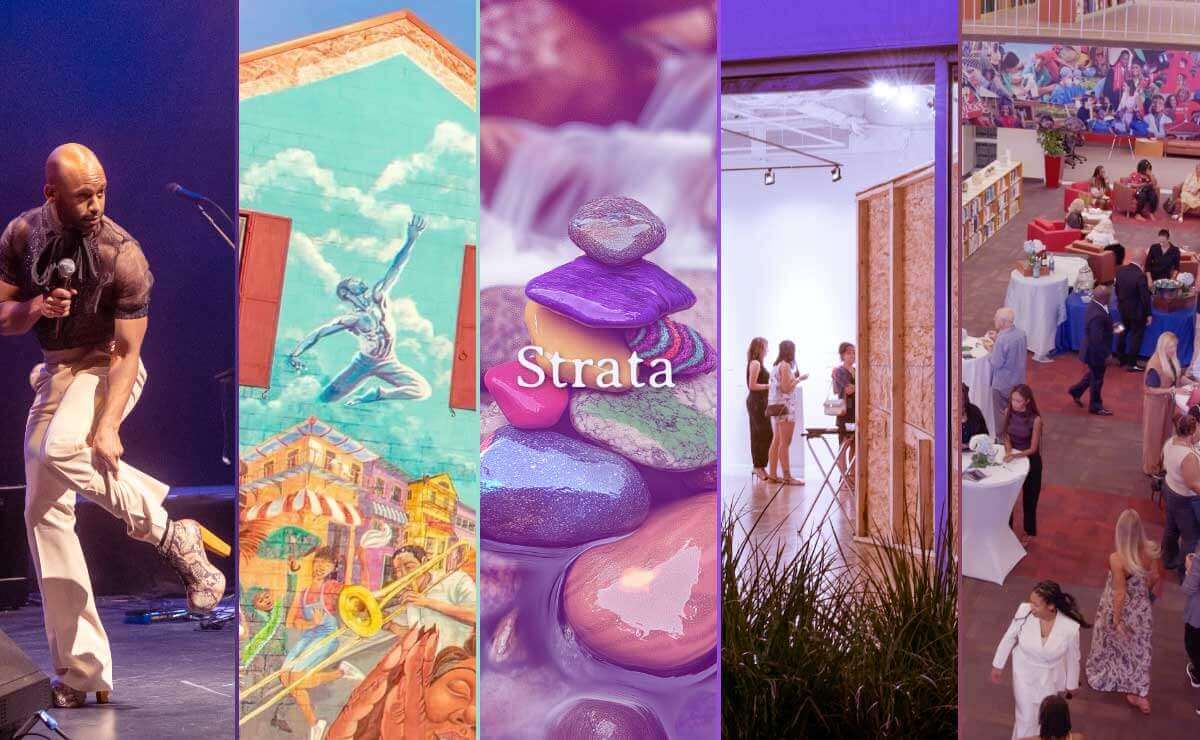
The role of cultural work in projects of liberatory justice is often overlooked. People see the art, but don’t always see the layers of planning, networking, and community building just beneath the surface.
Strata, a new Instagram series from NPN, is a cultural political conversation with four NPN National Partner organizations that reveals those layers. Through conversations with cultural workers, artists, administrators, and movement thinkers, Strata explores the ideas and praxis that deepen our engagement with culture on the road to collective liberation.
Strata launches April 28, 2026. Follow us on Instagram to watch the series and join the conversation.
Announcements & Opportunities
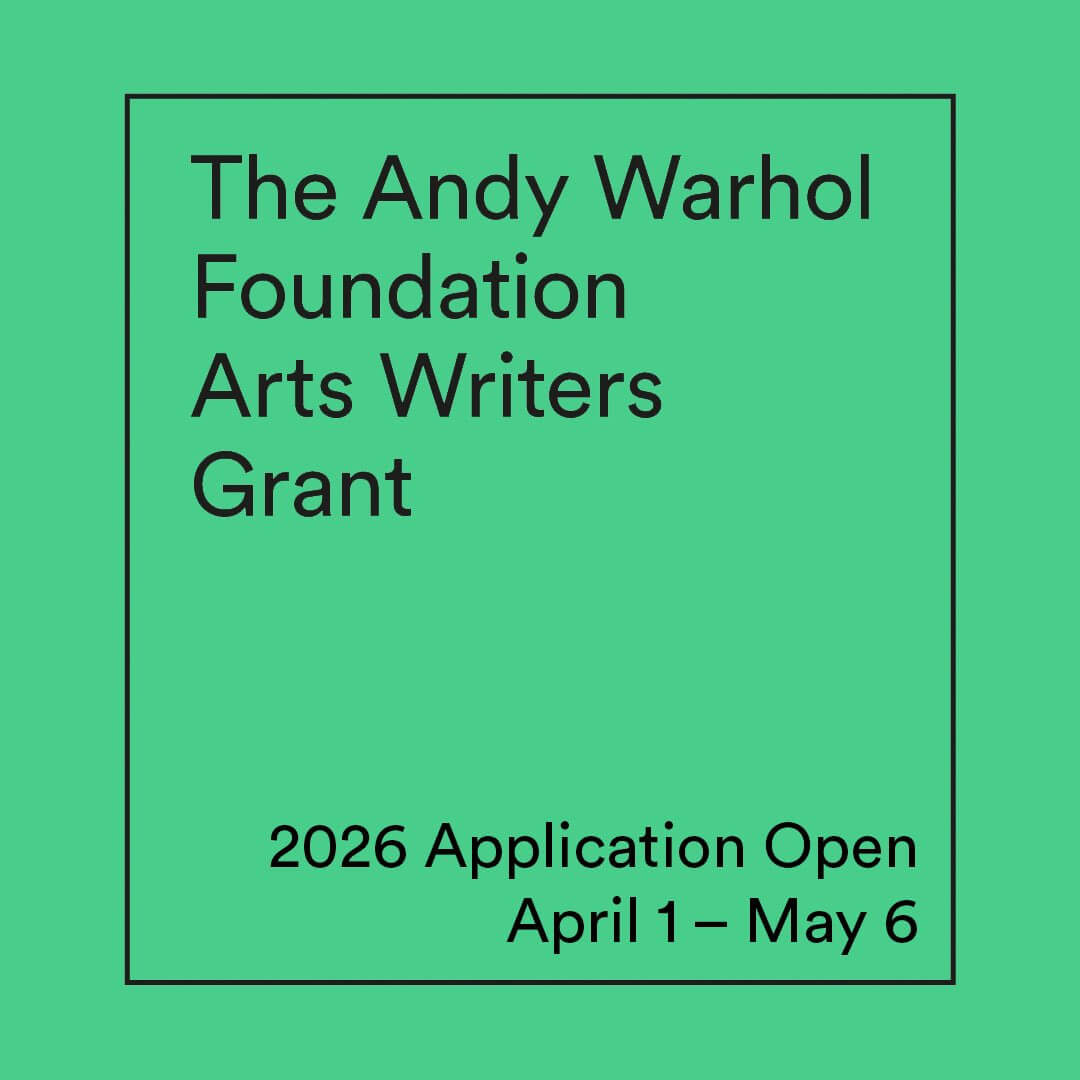
The Andy Warhol Foundation Arts Writers Grant – Application Open
The Andy Warhol Foundation is now accepting applications for its Arts Writers Grant, which “supports emerging and established writers who write about contemporary visual art.” Awards range from $15,000 to $50,000 in four categories: articles, books, short-form writing, and translation.
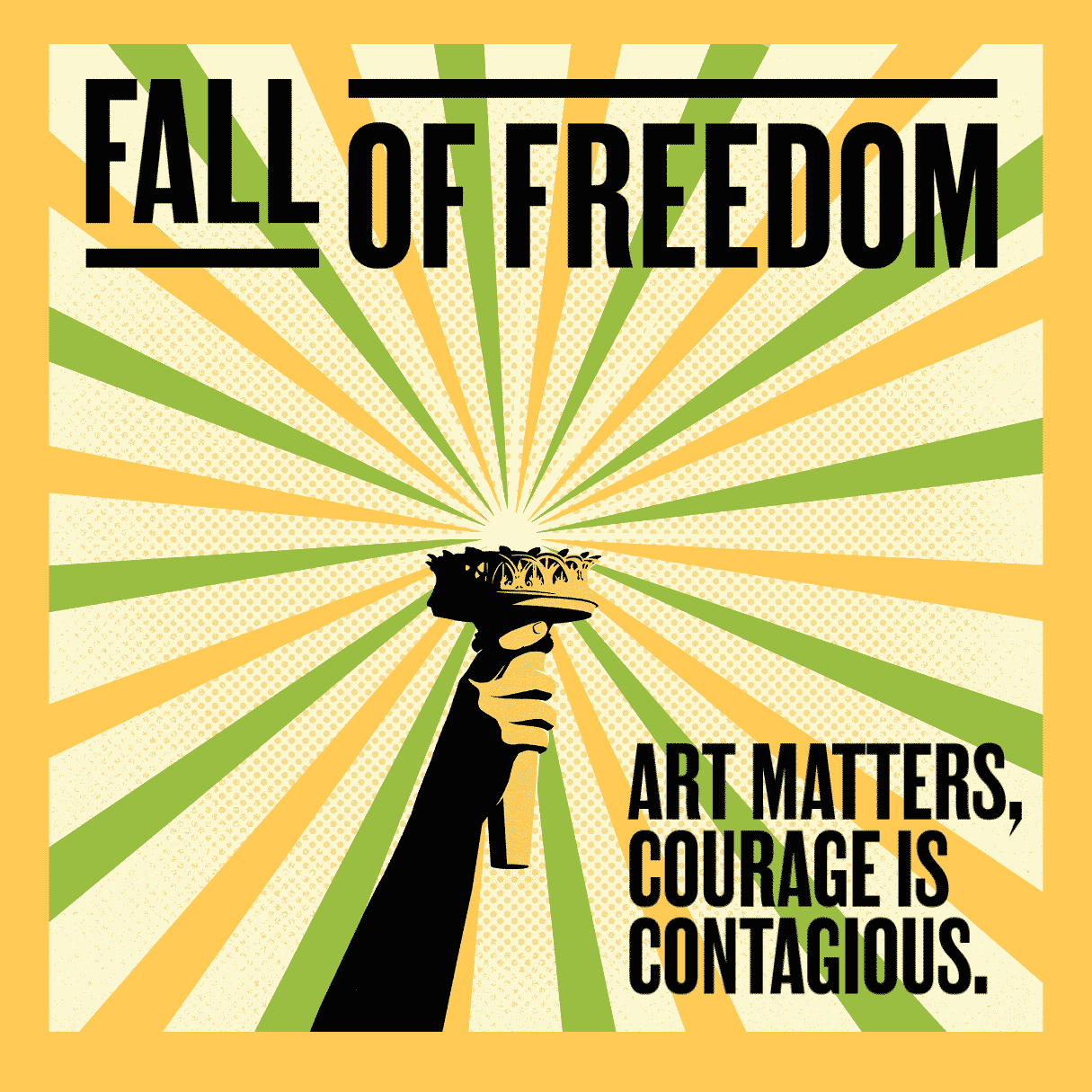
Fall of Freedom: A National Call to Creative Resistance
Fall of Freedom is a focused, urgent call to artists and arts institutions to amplify struggles against repression and state violence. On May 1, artists and creative communities across the country will come together through exhibitions, performances, screenings, teach-ins, public actions, and digital events aligned with immigrants’ rights organizing. Whether you’re creating something new or bringing visibility to work already in motion, this is your moment to be part of a collective movement.
Roberto Bedoya’s Remedies for Civic Trauma
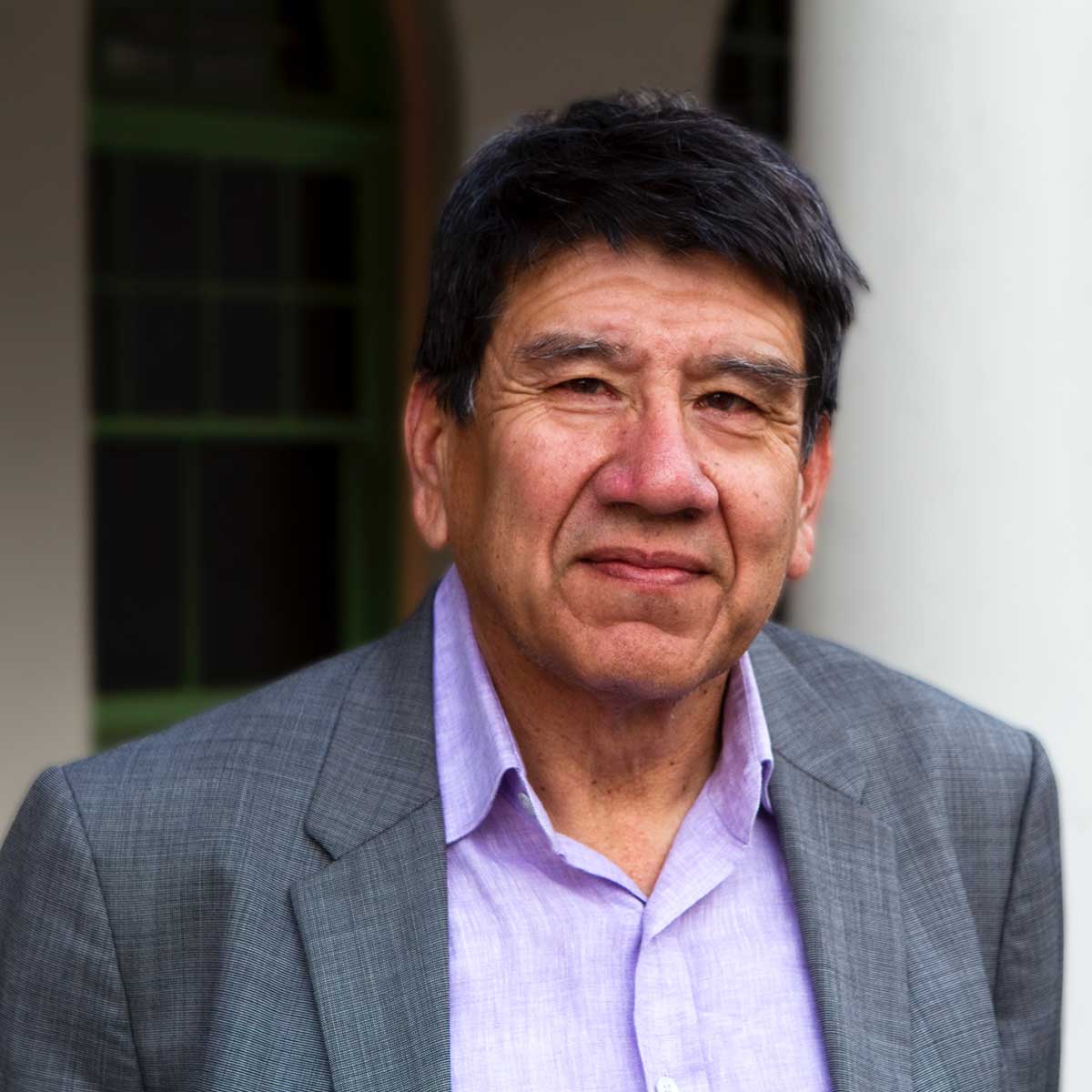
“Courage,” writes cultural strategist Roberto Bedoya, “is not linked to the lone, brave soul who runs into a burning house to save lives, but the fire bucket brigade that, as a unit, works to put out the fire. Courage as collective action, as a constellation that leads and shapes the civic we — messy, wild, and brilliant — is upon us with a charge to re-imagine a democracy of care embedded in the civic body.”
Roberto’s recent essay, “The Courage of Imagination, A Pro-Democracy Movement, and the Civic We,” offers an analysis of today’s authoritarian efforts to dismantle civic life, challenges to arts philanthropy, and remedies for civic trauma. Our charge is to “feed the imagining of our lives together, the explosive rhythm of our drive to protect and advance the Civic We…as a pro-democracy movement that is rooted in our civic lives, right now.”
What We’re Reading
Harold Steward on the Inherent Value of Art
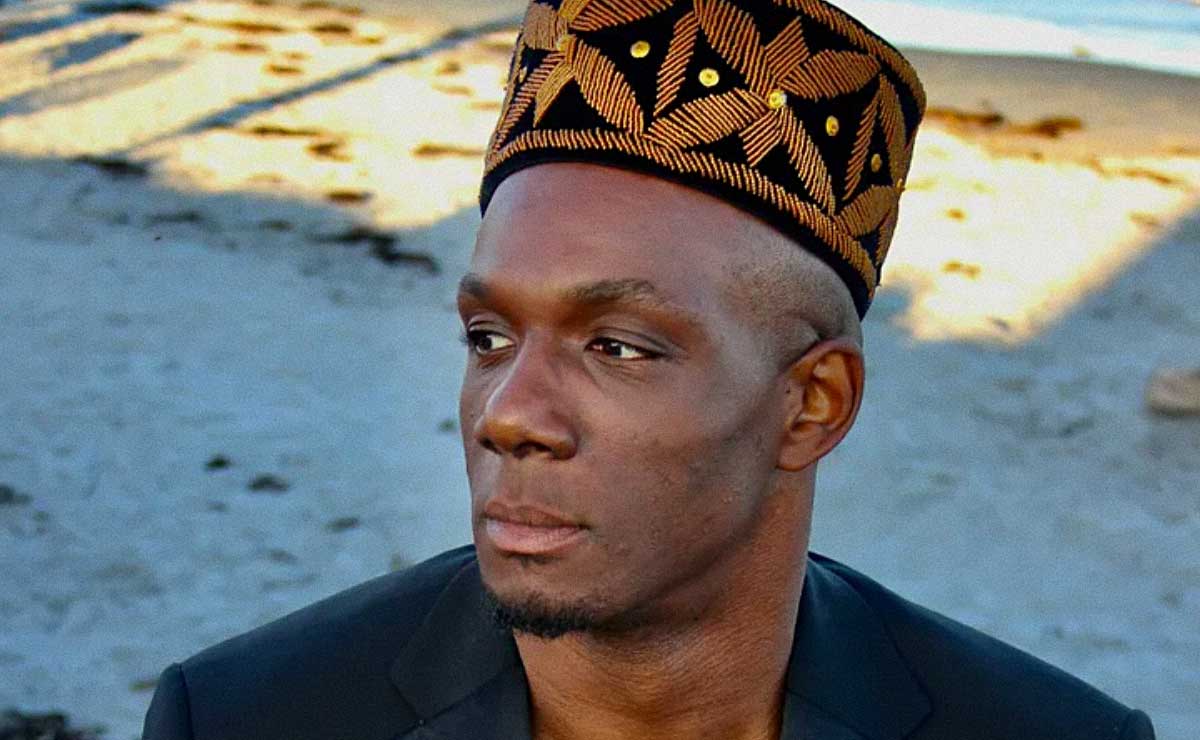
Each month, NPN’s staff and board engage with a reading that deepens our understanding of how to embed liberatory practices throughout our work. This month we are reading “Be Resolute: Art Is Water” by former NPN board member Harold Steward. Amid public funding cuts, shrinking philanthropic risk-taking, and political pressures that threaten artistic freedom and access, Harold argues that the urgent task is not to prove art’s value but to secure the conditions that allow art and artists to thrive equitably across communities.
Our monthly reading is part of the Collective Learning Series organized by NPN’s Department of Racial Justice and Movement Building (DRJaM).
Read “Be Resolute: Art is Water” by Harold Steward.
NPN is generously supported by:
Barbara and Amos Hostetter, Doris Duke Foundation, Ford Foundation, The Kresge Foundation, Lambent Foundation, Louisiana Division of the Arts, Mellon Foundation, South Arts, Surdna Foundation, Vilcek Foundation, and our generous donors.
Past Issues
Newsletter Sign Up
Get the latest on events, stories, opportunities, and projects from across the network.
Your personal data will be managed respectfully and responsibly, in accordance with our privacy policy.