
“I Kind of See Us as This Ecosystem”
An Interview with Take Notice Fund Artist Juicebox P. Burton
• 12 minute read
NPN’s Take Notice Fund has been supporting the creative practice and wellbeing of BIPOC artists in Louisiana since 2021. To bring more visibility to Louisiana’s artists of color, NPN asked past Take Notice Fund awardees to talk with us about their work and careers.
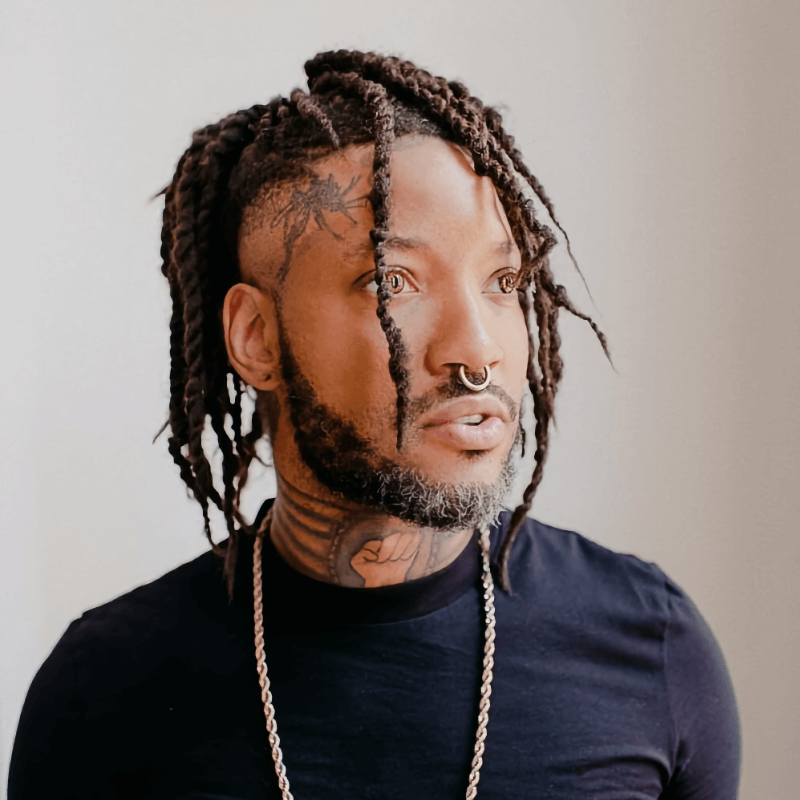
Juicebox P. Burton, a 2022 Take Notice Fund grantee, is a genderfluid multidisciplinary artist living in New Orleans, LA, who has created music, short films, and live performance art. In our interview with Juicebox, they talked about their journey from drag to self-taught filmmaking, and how they use the visual language of horror and fantasy to let audiences safely explore painful experiences.
This interview, which was recorded in 2024, has been edited for clarity and length.
NPN:
How would you describe your work to someone who is unfamiliar with it?
Juicebox P. Burton:
I would say that I use the lens of fantasy to tell the stories of Black folks. And that can come up in different ways from fantastical scenes to horror to sci-fi. I tend to live in that world to remove trauma from the process. I feel like a lot of Black stories, specifically when they’re told about Black Americans, are immediately politicized.
And so moving them into — Afrofuturism is another way folks will label it – it takes it to somewhere that doesn’t exist, where we can have experiences that haven’t happened. We can live in worlds that don’t exist. We can achieve dreams that are in our future, you know, or in this new past.
NPN:
NPN:
What brought you to that approach?
Juicebox:
Well, first off, I didn’t know that artists were a thing until I was 30. I’m from Ohio. So when I moved to Chicago and people were like, “Oh my God, this is art, and I make a living from it,” I was like, “Shut up. I’m a business major, what are you talking about?”
I started off being a performance artist. And the people who were triggered the most in the audience were Black people. And I was like, oh, this is a problem. You know? I’m retraumatizing my people through the work that I’m creating.
And so that was when the shift [toward fantasy] happened. And then I moved to the south and just got really connected to ancestry here, and began to understand that the diaspora is where it’s at, you know? I was like, wait, this is where the largest pockets of my people are. Of course this would be a healing space. So that’s when I kind of shifted it, you know, to something else.
NPN:
Especially as we are seeing more research around how one’s body stores trauma, or how emotions impact one’s physical health in addition to one’s mental health.
What is your typical process from inspiration to presentation?
Juicebox:
It always starts with a visual. No matter what I make, it starts with a visual, and then I create everything else around it.
So an example is the visual album that I created, which was my first time creating music. Before I wanted to make the music, I was like, I want to make an album about creatures. And so I just thought of all these visuals, and then the songs come around it. So that’s kind of how my mind works.
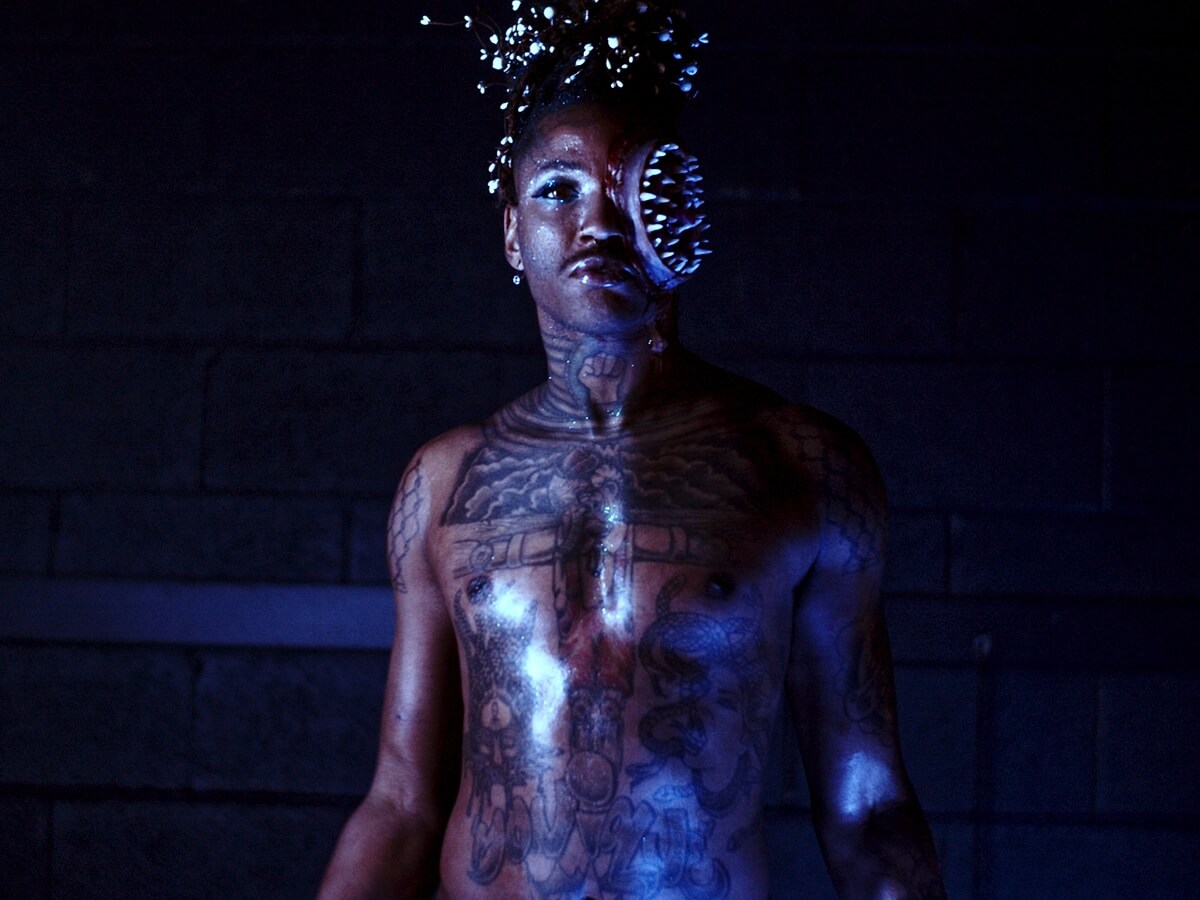
In one song, the visual, or the thought process I had is, how can I, in four minutes, destroy white supremacy? And so we used prosthetics to create these alabaster creatures
It was like a play on “Vogue,” because I always try to use queer Black history in my work. Long story short, the “Vogue” dancers kill the three alabaster people. And so for me, that visual, that’s kind of how it always starts for me. I have a creative partner and we work together on prosthetics, makeup, costumes, and kind of creating these new worlds.
I never believed that I would use people in my work until now, because I thought, how do you tell stories that aren’t traumatic by using Black bodies? It just didn’t make any sense to me.
For example, I’m working on a documentary called Queen of the Pen about trans women who have been incarcerated in men’s prisons and are released. And so how do I make that story magical? How do I tell this story in a way that doesn’t feel like it’s a traumatic story? That story, no matter how it’s told, is important, but I would like to tell it differently.
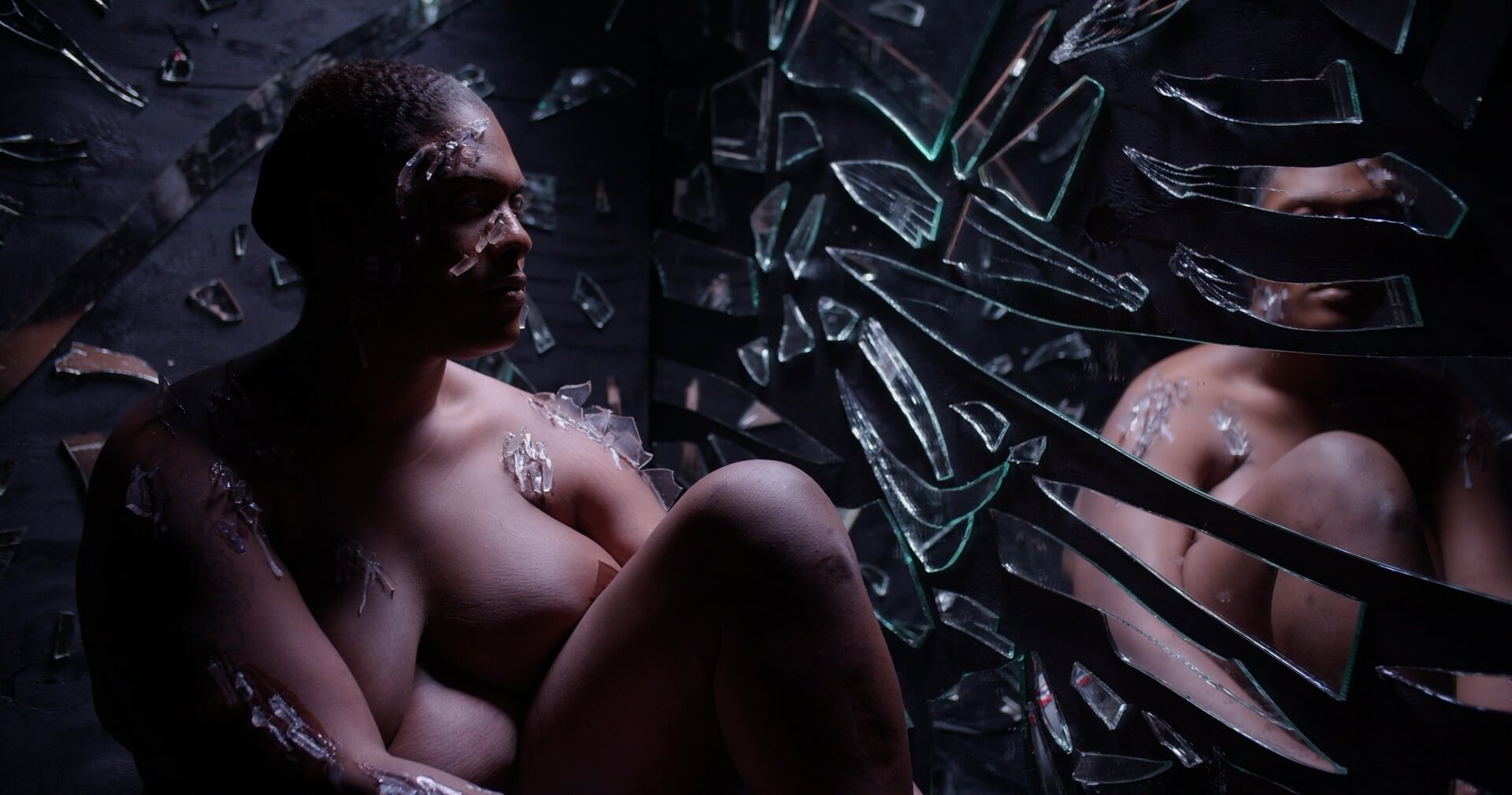
One of the trans women was just released a year ago. So she just feels like her life is very broken. So we created a mirrored set, and it’s only shot through mirrors, so you can only see her in fragments.
And there’s mirrors and glass in her skin, and we use contacts. And so that’s why I say fantastical now. It’s this fantastical world where you’re getting to hear her story internally. You said broken? Alright. Let’s go there.
Juicebox:
We had shot a lot of test interviews where she’s just sitting on the couch, and I played them for my friend and she was like, “Oh my God. I cried. It was so much.”
And then we shot the mirror version and played that for her, and she was like, “That was beautiful.” Visually, you know what I mean? I think that’s the difference. Of course you see this trans girl on a couch in her regular clothes, you just create these ideas of what her life looks instead of seeing it from a different perspective.
Clip from Queen of the Pen.
NPN:
You’ve talked about why it’s important for you to tell these stories. What is the dialogue or impact that you want to have with your audiences?
Juicebox:
It’s how Black folks feel leaving it. A lot of times, even when I was using creatures, a lot of times Black folks just got it. They’re like, “Wait. Okay. I see what you did here.” You know, in comparison to other people who aren’t necessarily connected to the story, it just went over their head. They’re like, “Oh, I love how that was ‘Vogue.’”
[These trans women] want to tell their stories about their experiences in prison and shine a light on what’s happening.
I just don’t want them to have to work much, you know? I like when they speak up. I would love for them to be on panels. I love [helping with] funding to help them not stress so much after being in prison for years.
I want Black people or people of color to really feel connected, feel good, feel at one with these girls who are in the story, and then also on our end to have some financial success and security for them.
Juicebox:
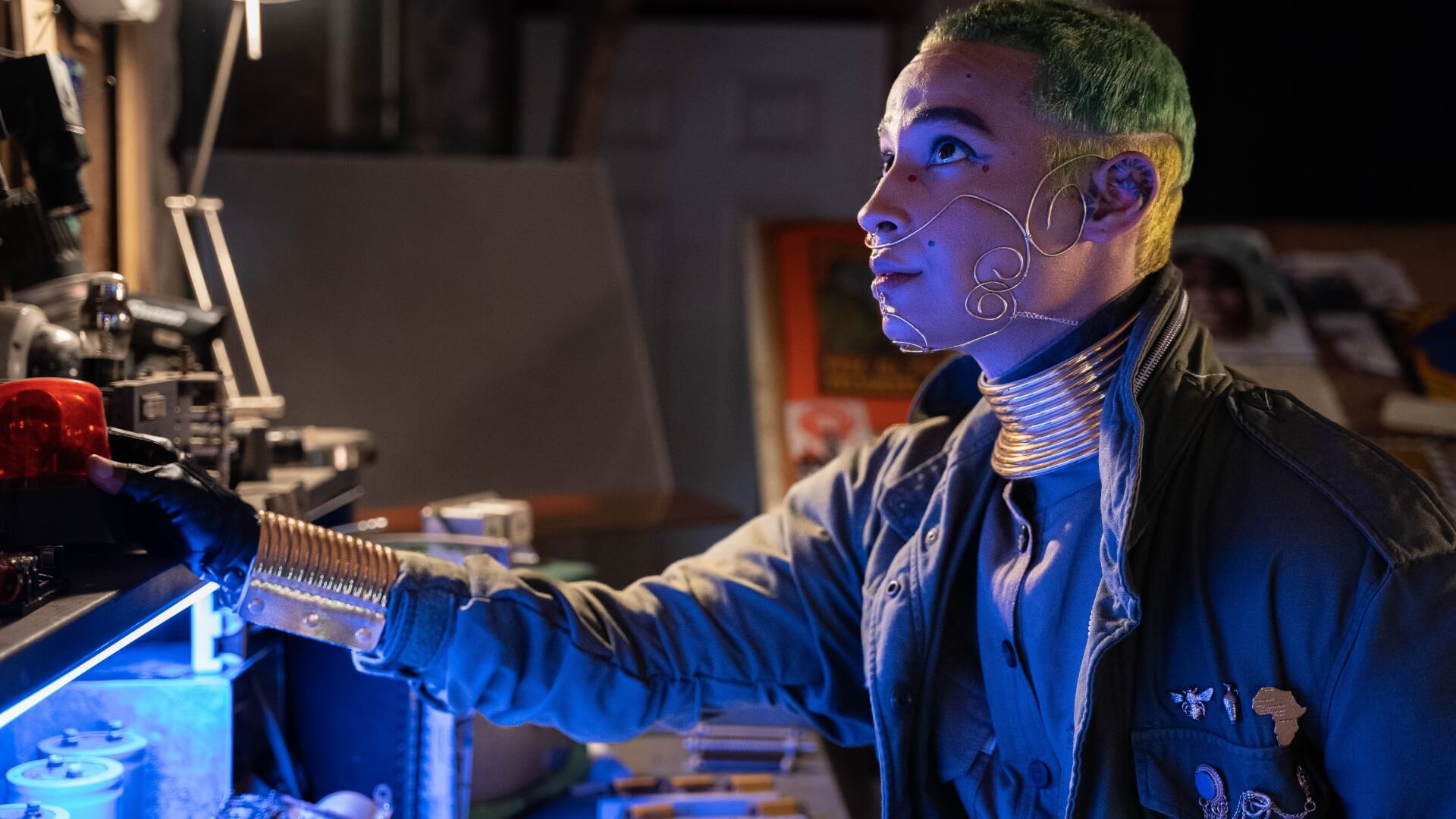
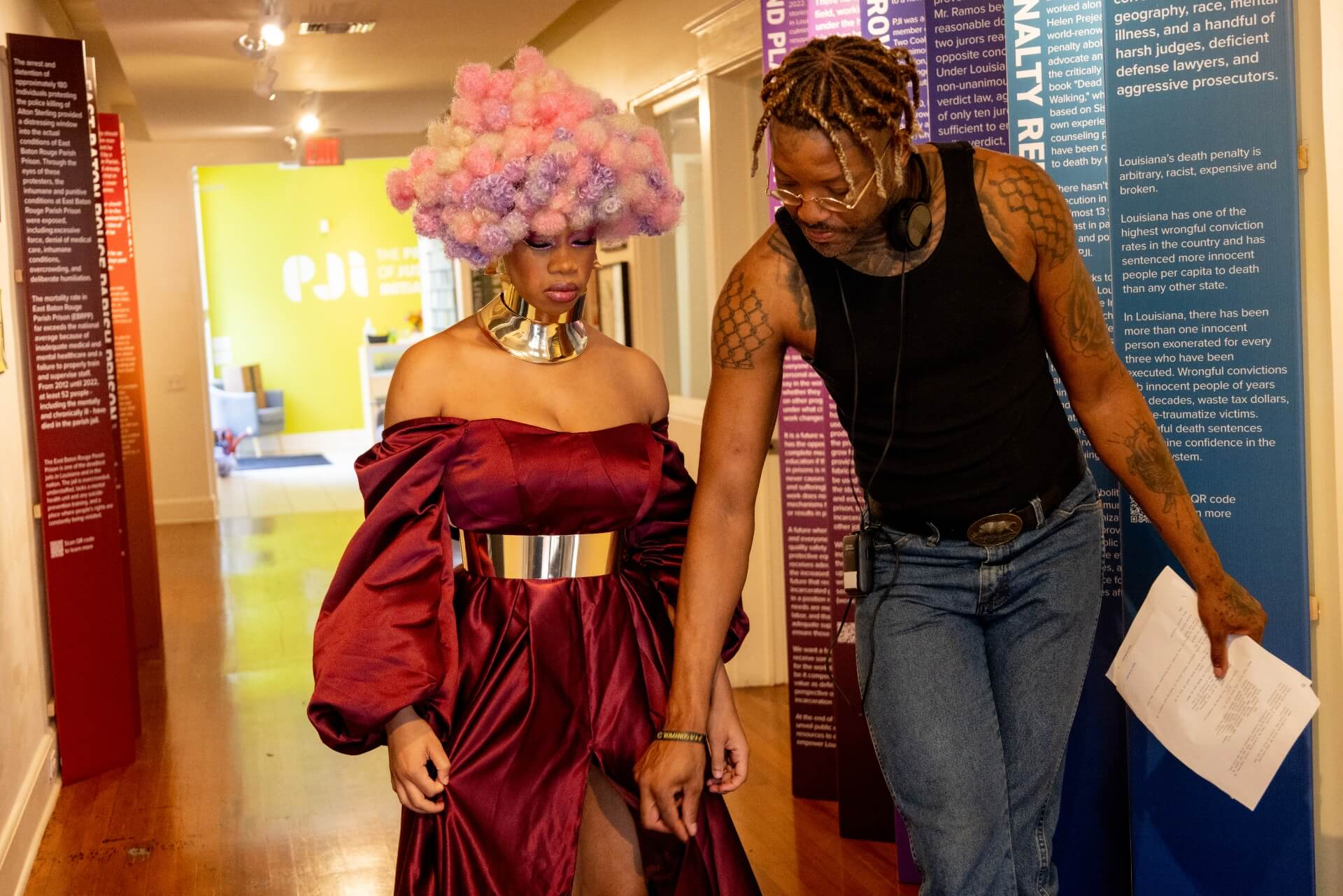
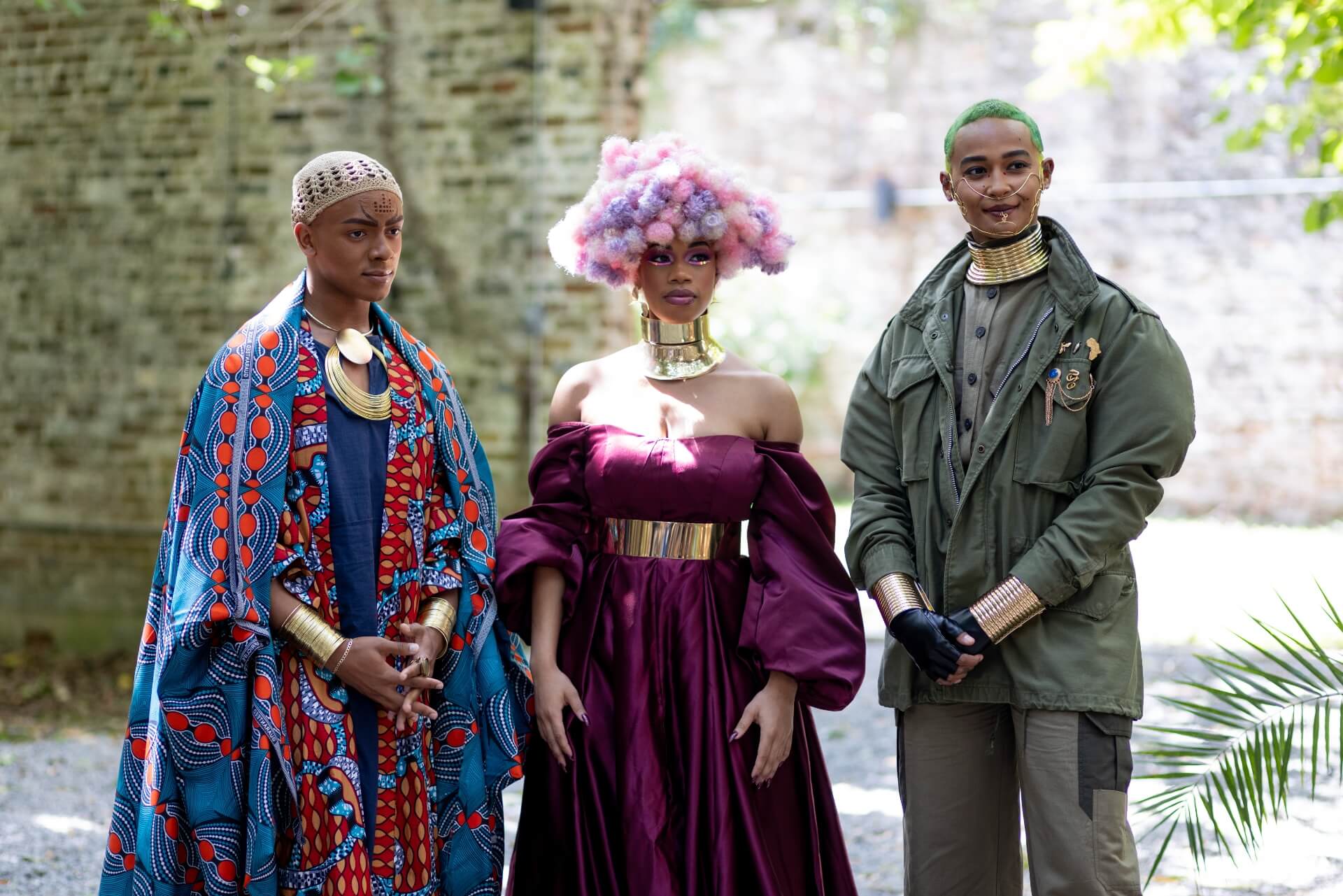
Another film that we’re working on is Space to Breathe.
It also lives in an Afrofuturism place, and it also is about prison abolition. It tells the story of three teenagers who were born in 2070 and they live a life without prison. So that’s something that I’ve been working on, and it’s been really cool to also live in that world [that imagines] what liberation looks like.
NPN:
You said that you didn’t even know being an artist was a thing when you moved from Ohio to Chicago. How did you get involved in this work?
Juicebox:
I guess the first time I was doing art was when I became a full-time female impersonator. I was a pageant queen, which meant I would do competitions and try to win, successfully sometimes.
I lived in a house with four other drag queens, and it was funny because all the gender different people were a part of that. It was before words like trans and non-binary were popular, before there was a reality TV show. I didn’t actually realize that it was an art form until it got put on TV.
So that’s what it started with. And then I went to Chicago and that was the first time I saw artists who were in school. I didn’t really understand what that meant, but I did like watching people do performance art. I think with drag, you’re almost doing a play — you plan it out, it’s got a music change, it’s what we call a talent in pageants. To me, performance art just kind of looked like a weirder talent, without the hip pads and the rhinestones. You don’t have to wear a wig. You can just go up there and do stuff.
So I dabbled in performance art for a while. Then I moved to New Orleans, and I just felt I wanted to try to do film. And so I picked up a camera and shot my first film in the first six months, which is about my experience as a Black sex worker.
And then it’s just been a lot of trial and error.
NPN:
Going back a little bit with getting into that initial performance community and doing drag — how did you find your way into that?
Juicebox:
It was a lot about my identity. I’m gender fluid, non-binary. In the late 90s, early 2000s, it was “Queer as Folk” life, and I just really never fit in.
And so when I saw someone do drag, specifically in a talent, when you’re having your costumes custom made, you’re creating your hair, you’re rhinestoning everything, people would spend thousands upon thousands of dollars on what they call the talent package, to me it felt like this immersive show.
And so that’s kind of what brought me into that direction. And then you win, they give you dollars, you know? I was like, oh, okay. Alright.
NPN:
You said you’re not originally from the south, but you feel the diaspora is where it’s at, and you’ve talked about the queer Black and brown community coming together in New Orleans. I’d love to hear a little bit more about who you identify as your community and what you identify as home.
Juicebox:
So my family, their origins are like an hour away from Tupelo. So I get to tell the New Orleanians, hey, I’m from down the road.
I do consider New Orleans home. It’s really a community based city. We’re all kind of pushing for these same goals and we all just kind of root each other on, you know? I think there’s not a lot of other places where this is possible.
NPN:
Outside of your work, what are some things that you’re interested in lately? Reading, watching, thinking about, enjoying — just in general, what are you interested in right now?
Juicebox:
I’m going [this weekend] to see a movie that I’m super excited about, which is about a Russian performance artist, Agniia Galdanova. They’re doing this really awesome performance now where they’re going through Russia as a performance artist, which is dangerous. And so they’re telling their story through this visual aspect of it.
And I am in recovery. I’ve been clean for over two years. Which is just a big, big part of my life, ‘cause I do live in like a recovery space, so that takes up a lot of time.
I remember when I used to just hustle. It was like, how can I make money to survive? And that was pretty much it, that took all my time. And now, it’s not like I got Coin City, but I’m more in a space where these are all the things that I’m doing and I like to do them, and they’re important.
What I have a hard time with is not doing them all [at once]. Where I’m working on this film over here, and I’m working with the studio over there. So I have all these things.
I had a conversation with my friend. I was like, what do I like to do? You know, in my free time? I’m trying to figure that out. I’m on a bowling team. I’m in school to be a personal trainer. And then to be honest, I love to put on really bad TV and just turn my brain off. Something that takes me out, because I think that there’s so much movement that I do during the day.
NPN:
That conversation around, “How do I have free time? How do I refill my own cup?” is a common one with artists because the work can be so all consuming.
And congratulations on your recovery journey as well. That’s tremendous.
Juicebox:
Thank you.
NPN:
Finally, what are some current organizations or artists that you look to for inspiration?
Juicebox:
Folks who have organizations that have become successful or have found success through funding. So we’re talking like Dreamhaus, which is a queer residency program, and LOUD. I’ve worked for LOUD. They create shows, they do showcases.
I am part of a studio called Studio Lalala, where we do work around queer folks, and we just had someone who gave us a donation, so now we have a spot and we’re getting ready to build some stuff out.
Dreamhaus, which I’m always gonna plug ‘cause they do artwork around disabled folks and sex workers, they just got a grant and now they’re able to bring in residents, and then those residents can come and also work at Studio Lalala.
I kind of see us as this ecosystem that happens specifically in New Orleans around queer Black and brown folks. And I think that’s what keeps me the most inspired. I have people I love, and they also are going through the exact same thing.
I’m also really inspired by Black organizations. Black Star is a film festival that I think is really incredible. There’s the Black Film Festival of New Orleans, which was created as resistance to the New Orleans Film Festival. And there’s the Black Liberation Coop Academy. They work around bringing Black cooperatives into New Orleans.
I’m inspired by organizations that are funded. Like my goal in life, I’m sure it’s everyone’s, but it’s to not “work” ever. And it doesn’t feel like work when I’m at the studio helping someone create. It doesn’t feel like work when you get to show somebody how to do something that they didn’t know how to do before.
So when I see other organizations, or friends who their organizations are getting them into a point where they get to just to dive deep in that work — I’m super inspired by that.
About Juicebox P. Burton
Juicebox P. Burton (they/them) is a Black, gender fluid, multi-disciplinary artist living in New Orleans. Their work gains its power from its community-taught nature, fostering the collaboration of other creators of color and Black creators whose collective story combats the aristocratic gatekeeping of the mainstream art industry.
In 2017, Juicebox opened Studio Lalala, a production studio whose primary mission is to uplift the voices of queer Black people through skill and equipment sharing, and allow them the opportunity to have creative control in telling their stories while becoming proficient in the skills that serve and advance our talents.
Their practice depicts the complexity of Blackness by shifting through the remnants and emerging landscapes of the diaspora. Rooted in the reality of Black existence and oblivious to the white gaze, they use the lenses of sci-fi, fantasy, and horror, capturing the essence of the Black community by creating alternate realities that let us walk between worlds on a path not littered with the bodies of our Black ancestors but embedded with their spirits, so that we can connect to the depths of our consciousness and heal.
Related Stories
Newsletter Sign Up
Get the latest on events, stories, opportunities, and projects from across the network.
Your personal data will be managed respectfully and responsibly, in accordance with our privacy policy.