
“Write What You Wanna See”
An Interview with Take Notice Fund Artists The West Sisters
• 14 minute read
NPN’s Take Notice Fund has been supporting the creative practice and wellbeing of BIPOC artists in Louisiana since 2021. To bring more visibility to Louisiana’s artists of color, NPN asked past Take Notice Fund awardees to talk with us about their work and careers.
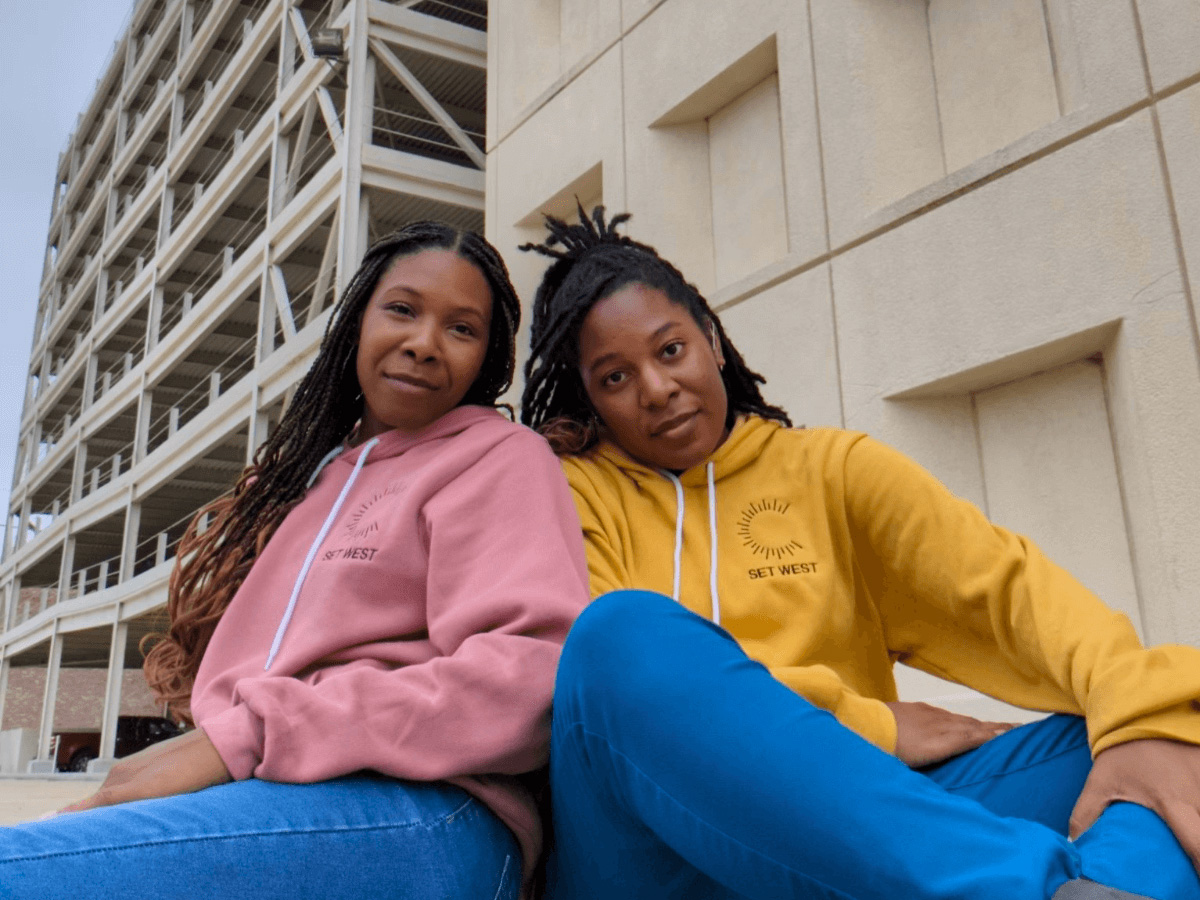
2023 Take Notice Fund grantees The West Sisters — Chasah West and Charliese West — are filmmakers and composers from Lafayette, LA. In this interview, they talk about growing up in Africa, why they want to tell stories that are uplifting, and how they got their dad’s hand featured in a Morgan Freeman movie.
This interview was recorded in 2024. Last year, The West Sisters released a concept album for SWELL, their original musical about a young woman who attempts to save her slowly-flooding coast town. On July 31, 2026, they will present a concert performance of SWELL at Acadiana Center for the Arts in Lafayette, LA.
This interview has been edited for clarity and length.
NPN:
How would you describe your work to someone unfamiliar with it?
Chasah West:
I’d say we talk about ourselves as writers who love to tell stories with characters of color as the leads, usually in genre stories. So that might be fantasy and sci-fi, that might be rom-com. But we love to see stories and we love to make stories that are within genre fiction, and that feature characters of color.
[Speaking to Charliese] Would you agree?
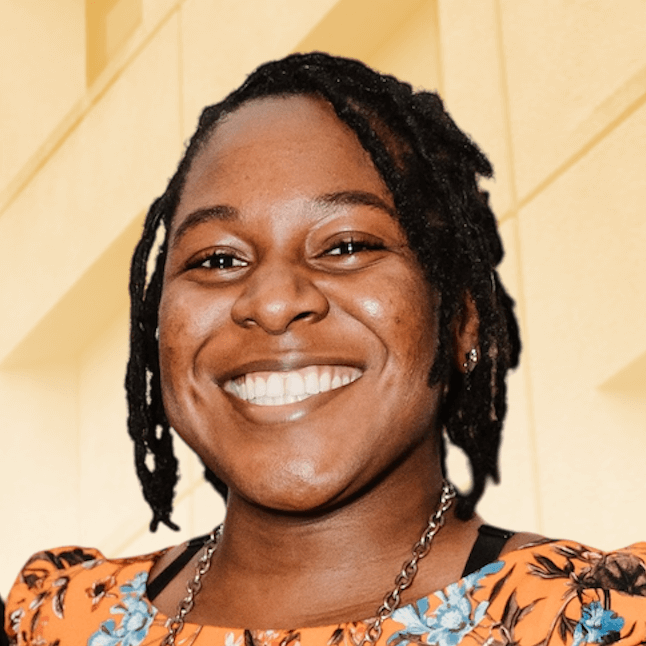
Charliese West:
Yeah, for sure.
NPN:
Why did you choose this work over anything else you could do?
Charliese:
Storytelling is something that comes naturally to all humans. But there are some people that are just really great at storytelling. Our dad is a storyteller, so that was something that we saw a lot growing up.
Chasah:
We grew up really loving big blockbuster movies. Action adventure movies — you know, [franchises like] Pirates of the Caribbean, Indiana Jones — with big puzzles, big set pieces.
And we love them as they are… but I started to have a curiosity, before I really understood elements of industry discrimination or anything like that. Like, well, why don’t we see a Black girl who’s Lara Croft, you know, as they go traipsing through these exotic countries? How come there’s no Black sidekick who is from Africa?
We grew up abroad, so we had a global perspective. And so when we saw stories, we always wanted to see what was around us, which was not just American culture.
And then it’s also having a little bit of naivety as new artists that kind of made us say, “Well, if we wanna see it, and people are saying, ‘write what you wanna see,’ then let’s write it and let’s figure out the way to submit it. You know, maybe Disney will be making our Black female-led story.”
Obviously there are a lot more steps in between, as you learn as you go on. But that is a driving force in creating certain stories, wanting to see a little bit of not just ourselves, but the people we know, embedded into really cool and fun stories.
NPN:
And that’s just who they are, the leads in the stories. It’s not, “Oh, we need to explain or justify this character.”
Chasah:
Yeah, they get to do cool things. They get to fight like everyone else.
Charliese:
And it’s a good time to do the types of stories we’re doing, because escapism is something that a lot of people of color need. And it just seems like this is the right moment — honestly, in some ways it’s a bit too late, but it’s also the greatest time to start as well.
NPN:
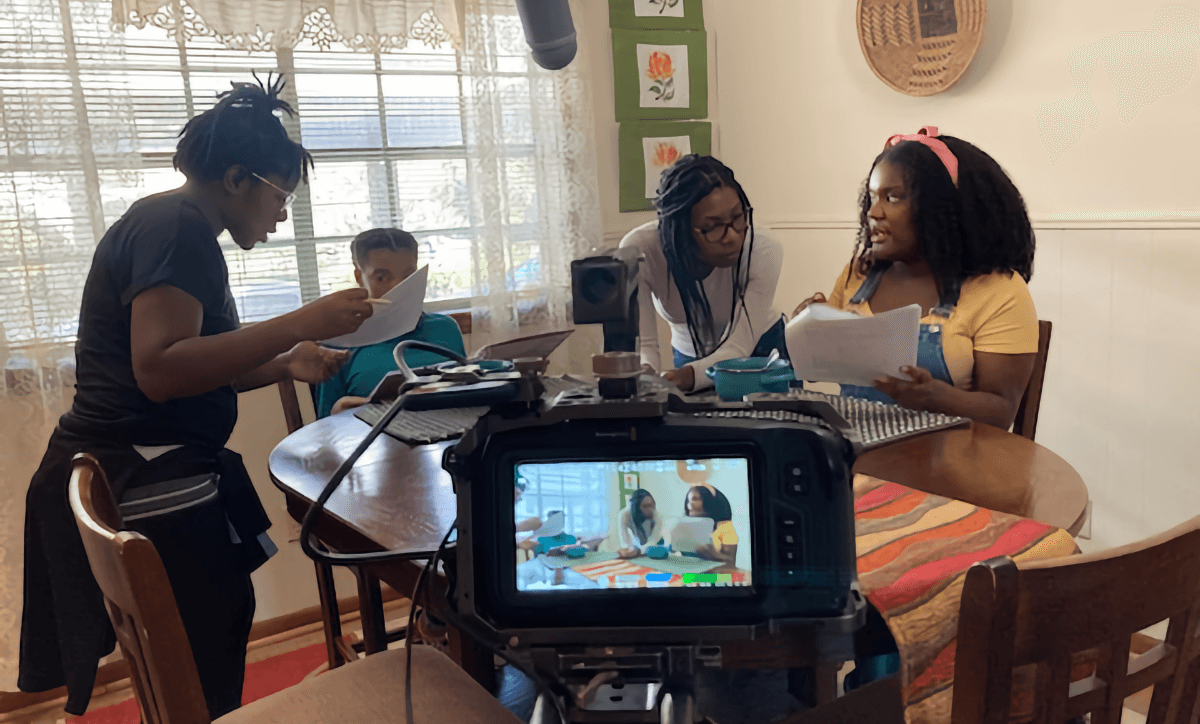
Let’s talk about your collaboration and how that’s evolved. What’s your typical process, and how has that changed over time?
Charliese:
There’s a few different ways, so it depends on which medium. Because outside of screenwriting, we also do songwriting, and just general storytelling that can apply to anything like, you know, being a moderator on a panel or giving a speech.
So depending on what it is, there’s sort of a different start to it. But for screenwriting, it’s a lot of conversations at first, just going through the ideas we love, the kinds of things we want to see, the themes we want to explore.
And then from there it is a lot of outlining. We are outliners. Then for the script format we use WriterDuet, which is very conducive to the way that we write.
Chasah:
Yeah, it’s a really powerful tool. I can see on my screen the things that she’s changed, and she can see the same for what I might have done. That’s super helpful.
But I think even if we were individual writers, we are more structured in how we approach things. I think some people use the terms pantsers versus plotters when it comes to the writing realm. So pantsers fly by the seat of their pants, right, they kind of get in the story and they just keep going and see what happens.
Plotters figure out the structure of their plot. You know, a theme isn’t just gonna accidentally happen in a story. We like to consider, how does the character’s arc, and what we’re creating, say something thematic, and how do we weave that in throughout this three act structure that we all as Westerners respond to?
NPN:
So is the flow typically concept, then theme, then characters and plot? Or do you feel like sometimes you’re like, “Oh, a theme!” And then come the characters and plot?
Chasah:
It depends. Sometimes a character will be super clear, like we’re talking about them almost like improv, we’re building on something and it’s really character forward. And then we would say, “Well, what type of story would you put that character in?”
That’s an approach we’ve taken. But also, you know, some people say that you can write a story that’s really plot driven or character driven — it’s almost like it’s one or the other. And we love that merging where the plot serves the character and the character serves the plot and that gets you the theme.
Pixar is really good at that, so we kind of have that as an inspiration. But I would say it’s concept mixed in with clear conversations: “Okay, what are we going for? What is the theme? Who are the characters that would fill this out?” And then outline.
NPN:
That leads into my next question, which is about the impact you want to have on your audiences. When somebody witnesses your work or has an experience with it, what do you want them to kind of walk away with?
Charliese:
We strive for all of our stories to be uplifting, and to be pretty free of trauma. I’m not gonna say that all of our stories have zero trauma, but we try to steer away from anything that’s trauma based.
At the end of the day, we also want it to be family friendly, because we’re very much from one of those multi-generational households where whatever’s on the TV, it’s gotta, you know, be something that the older folks are gonna wanna watch, as well as the kids or teenagers or young adults that are there.
Chasah:
Yeah. And we love watching stuff together. I feel like part of the reason why we write together is because we grew up watching stuff together as a family, and we talked about it and analyzed it and debated who were our favorite characters, or who was the person who needed to leave that cast of characters.
But yeah, I would say uplifting and being able to walk away with — not being hit over your head with a message, but just something that makes having watched it worthwhile. A warm feeling, or something that feels positive.
NPN:
How did you become writers? How did you find yourself involved in this kind of work?
Chasah:
The entertainment industry kind of always interested me. But I didn’t want to rely on a career in that realm, because, you know, it’s twice, it’s thrice as hard for a Black female actress to try to make it.
So I got a liberal arts degree in public relations. But at a certain point I saw that Google was running some kind of writing contest where they wanted to see more Black women in STEM. And they said, send us a pilot episode.
And I really don’t know what happened with that whole contest, but that was the spark. I was in between two jobs. I had a two week hiatus. I said, “I’ve watched a lot of TV, I can write something.” I learned formatting and put my brain to it. I love crafting stuff and I already loved writing in the public relations realm. And so I felt like I was pulling so many elements of my background and personality together. I thought, “This feels like what I was meant to be doing.”
It was really fun. And I thought I had the hottest pilot, you know —
Charliese:
[Laughing] “Brilliant.”
Chasah:
[Laughing] “Brilliant. No notes needed.” I don’t think I even got into the semifinals.
But it had sparked something, so I just kept going from there. And one of the next one or two things I wrote, I did actually win a contest. And it was just small validations like that along the way, and people responding to story ideas. It felt like a really good thing to do, to bring the analysis side and the creative side of my brain together.
And then from that point, I dragged my family into it and taught them everything I knew so that they could give me feedback, and I roped them into the writing process as well.
Charliese:
One thing that I have always loved is watching the behind-the-scenes of movies and TV shows. I really like innovation, and I think in filmmaking there’s so much innovation, which is so exciting to see and so fun to be a part of.
So in our endeavors at screenwriting, it seemed like we were hitting a few roadblocks in terms of getting people to, you know, read our scripts, without having to apply to those big competitions where you can pay to get feedback.
Since we’re both very visual people, it just kind of seemed like the next logical step was to try to put one of our stories in a visual form so that we could then get it out to people in a way that they would just be able to watch it and then say, “Oh, wow. I think that was a pretty good story. Maybe we should look into these girls a little bit more.”
And I loved being on a lot of the indie film sets that have been in this area. I had the honor of working on an indie film called Lost Bayou. It’s a southern gothic mystery, and the cinematographer was Natalie Kingston, who just made history [as the first woman to win an Emmy for cinematography for a fictional television series].
And I’m so blessed to have been able to work with her and the other people on the cast and crew, because they showed me what it was like to be on a very large set, but still be able to be very personable, very kind, very efficient and very creative. It was such a nice environment.
So I honestly just wanted to try that for myself, and wanted to have my sister along with me to co-direct in some of the situations. It’s been really fun to do.
Chasah:
And we did that for Héritage, which was our first short film that we did together.
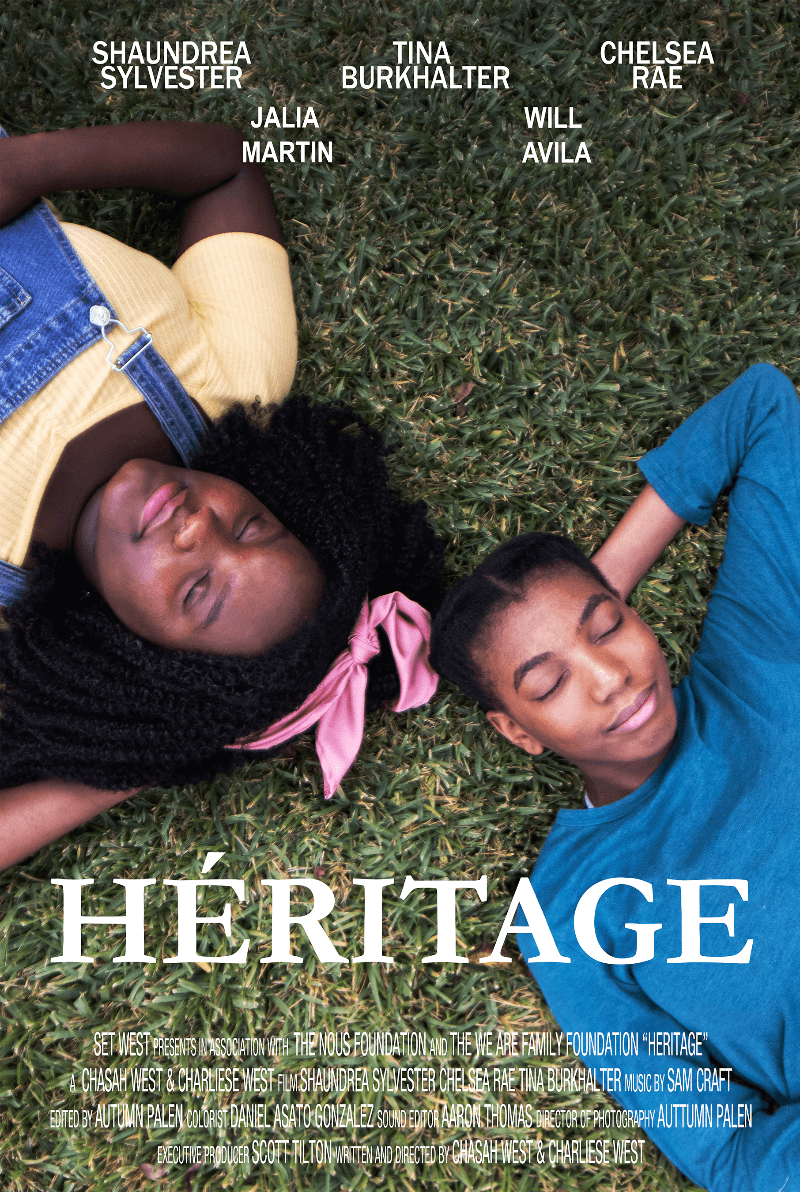
The West Sisters’ short film Héritage, which made its film festival circuit debut in 2024. A teenager, disinterested in her Louisiana Creole heritage, unexpectedly connects with a visitor who only speaks what sounds like French.
NPN:
Who do you identify as your community, and what does home mean to you?
Chasah:
I think for a long time, I didn’t necessarily consider that I had a hometown the way that some people do. But South Louisiana, where our mom’s side of the family is from, we live here now, and it’s super welcoming. They’ve embraced us as if we grew up here. So I would say I consider this home now. And it shows up in a lot of our work, the South Louisiana culture. I’d say it’s starting to play a big role in the way that we see stories, you know, who we want to highlight and the type of issues that we want to focus on.
Charliese:
In general, our mom and our dad and our siblings. And then some of our local mentors here in Lafayette and in New Orleans. They’ve been probably the biggest supporters.
NPN:
Are there any people in the industry or other artists who inspire you?
Chasah:
I feel like I have the answer that everyone would have, which is Shonda Rhimes, even though she does a lot of TV versus film. She is just so good at really understanding two things equally well: her characters and the audience.
If I could sit down and hear pearls of wisdom from someone on how they thought about crafting things and about their career, it would be her.
Charliese:
I have one that’s a little out of the box, but I would probably have to say Shawn Levy, because a lot of the movies that he’s made are those really big, entertaining, but generally family friendly movies. I would love to see how he works. I’d love to hear more about his process, and then sort of take it and try to do what we love to do, which is have a bit more diverse characters in those types of stories.
Chasah:
And I feel like we’d both say the Russo brothers.
Charliese:
Yeah, yeah, for sure.
Chasah:
We think that they are a great inspiration for how to collaborate, and keep from going too crazy or off the rails because it’s your sibling and you can kind of get away with saying things.
Charliese:
And they started with things that were a lot less ambitious than a Marvel movie. I mean, we loved Community back when they were working on that. And Arrested Development. So to see where they started and where they’re at now has just been incredible.
Chasah:
With Community, they could play in so many genres. You know, a genre to us is just a tool to explore what’s really under the surface and what’s really there.
And the Russo Brothers creating an environment where they also collaborate with two screenwriters. All of that is just really cool to see, that you can bring your whole self to your art and reflect that in what you do, and other people who may not have that same walk are still gonna respond to it.
NPN:
So being a bit more receptive to input from others. “Hey, these are people I trust who have good ideas, so let’s get their take on it as well.”
Chasah:
Precisely. I heard really early on that writing is a solitary path, and I believed that and I think I lived that for a little while. And then I kept seeing these examples of people, you know — of course with films it’s a little different, you don’t have writers’ rooms like they do for television shows, but nowadays I think that film seems to be going in that direction as well.
It’s really not a lot of fun to be a dictator, you know? There’s something much more fun and lively about doing a collaborative thing for what’s on the page, but also involve the lighting department, the editor, all the roles that are necessary to make a film happen.
NPN:
And finally, what is something that people would be surprised to learn about you, and what do you like to do for fun?
Charliese:
I guess it’s pretty surprising to most people that my favorite comedian is David Spade.
Chasah:
[Laughing.] She’s obsessed.
We lived in Johannesburg in South Africa, and Lusaka in Zambia, so we spent the majority of our childhood living in Africa versus living in the US. That surprises people sometimes.
And for fun? I’ll rule out watching movies because that’s understood. So, I like to play the piano.
Charliese:
I like to — this is a little bit work related, I guess you could say, but I like to act like I’m my parents’ agent. I’ve put them in a few local productions of things, including, 57 Seconds, the Morgan Freeman movie with Josh Hutcherson that filmed here in 2022. My mom played a background actor for a few days and so did my dad. But then my dad became Morgan Freeman’s hand double for that movie. So I love to pretend I’m a Hollywood agent.
Chasah:
People have said most of our lives that our dad kind of reminds them of Morgan Freeman. So when that opportunity came, it was like, we have to jump on this.
Charliese:
He was not the right height at all, but it worked because, you know, anything is possible with filmmaking.
About the The West Sisters
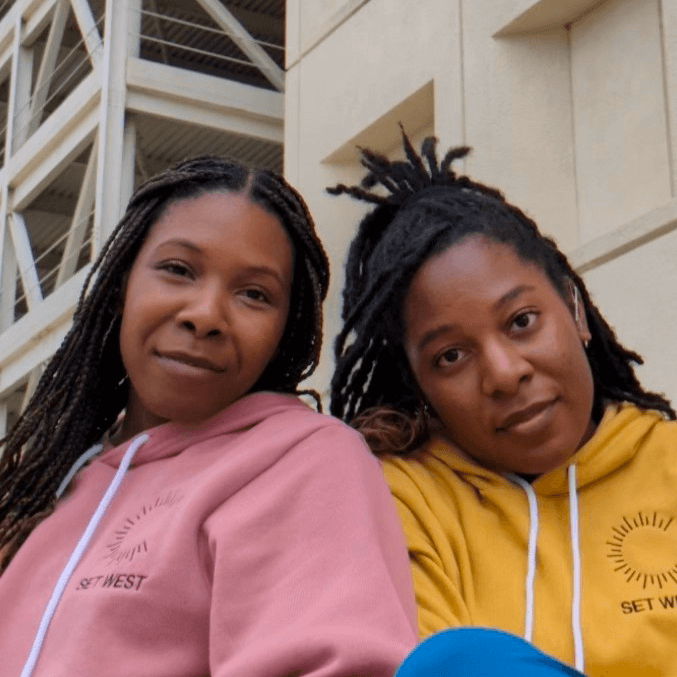
Chasah West and Charliese West, also known as The West Sisters, are a multi-hyphenate artistic duo based in Lafayette, Louisiana. The African-American sisters were raised abroad in South Africa and Zambia, receiving a multicultural upbringing. They returned to the United States for college where they both obtained Masters of Science degrees in Communication, just a few years apart, at the University of Louisiana at Lafayette.
The sisters enjoy crafting feature-length scripts, broadway-style musicals, and family-friendly short films. Their work mostly features main characters of color in action-adventure, sci-fi, or fantasy narratives.
Chasah and Charliese are both New Orleans Film Society Emerging Voices alumni. Their stories have also been awarded multiple grants and film festival accolades, including:
- New Orleans Film Festival – Louisiana Screenplay Competition Top 5
- Nile Rodgers’ We Are Family Foundation – “The Creatives” Youth To The Front Fund
- San Diego French Film Festival – Honorable Mention
- Louisiana State University’s Take X Film Festival – Best Alumni Film
- National Performance Network – Take Notice Fund
- Phoenix Film Festival – Finalists
- Austin Film Festival – 2nd Rounders
Related Stories
Newsletter Sign Up
Get the latest on events, stories, opportunities, and projects from across the network.
Your personal data will be managed respectfully and responsibly, in accordance with our privacy policy.