
“Every great art has an inner melody.”
An Interview with Take Notice Fund Artist Miles Labat
• 14 minute read
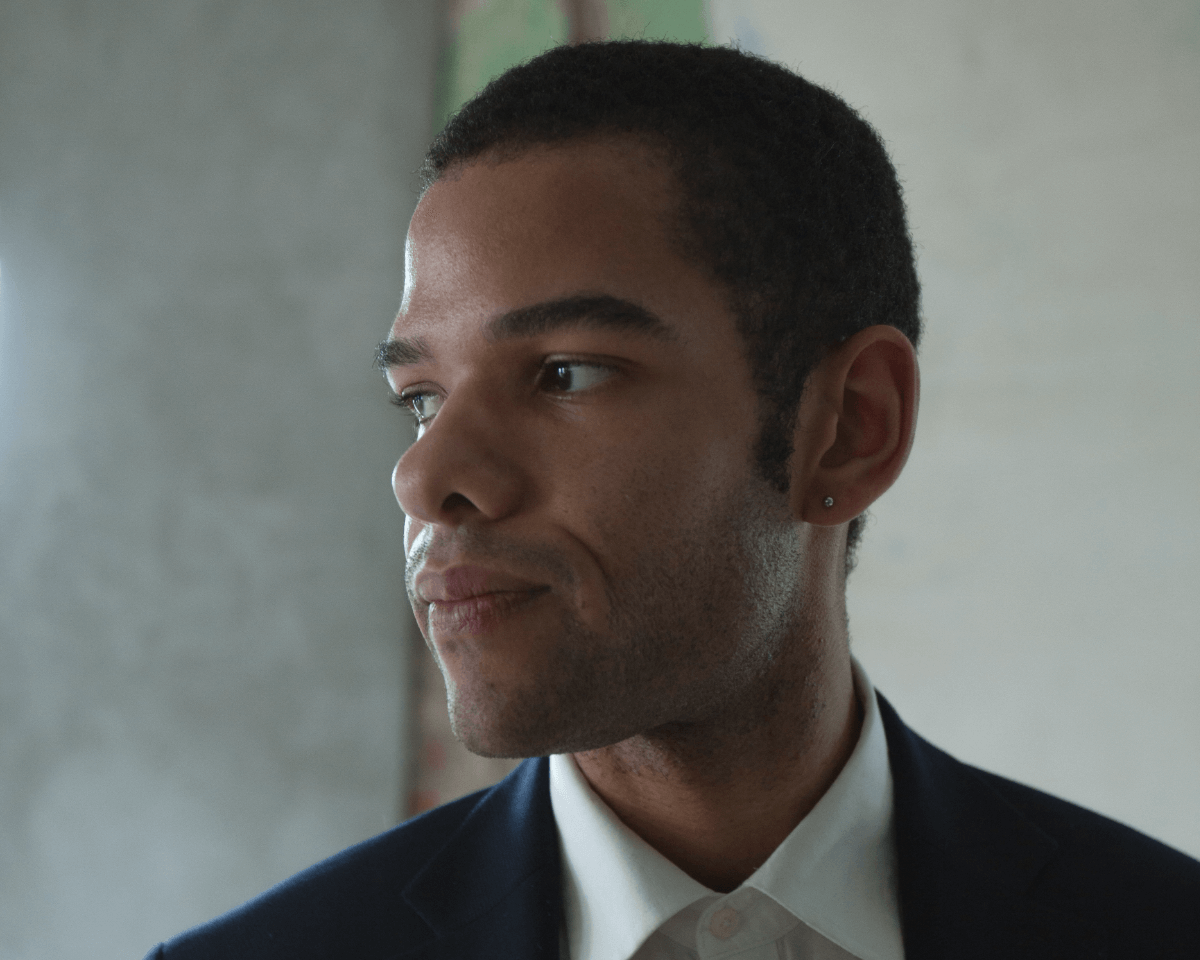
NPN’s Take Notice Fund has been supporting the creative practice and wellbeing of BIPOC artists in Louisiana since 2021. To bring more visibility to Louisiana’s artists of color, NPN asked past Take Notice Fund awardees to talk with us about their work and careers.
Miles Labat, a 2021 Take Notice Fund grantee, is a filmmaker and musician from New Orleans, LA. In this insightful interview, Miles talks about his early exposure to great films, why he decided to stop touring as a musician and focus on filmmaking, and why every director should read good books.
This interview was recorded in 2024. Since then, Miles co-wrote and produced Unseen Olympiad, a documentary of the athletes who participated in the 2024 Summer Olympics in France, now streaming on YouTube.
This interview has been edited for clarity and length.
NPN:
How would you describe your work to someone that is unfamiliar with it?

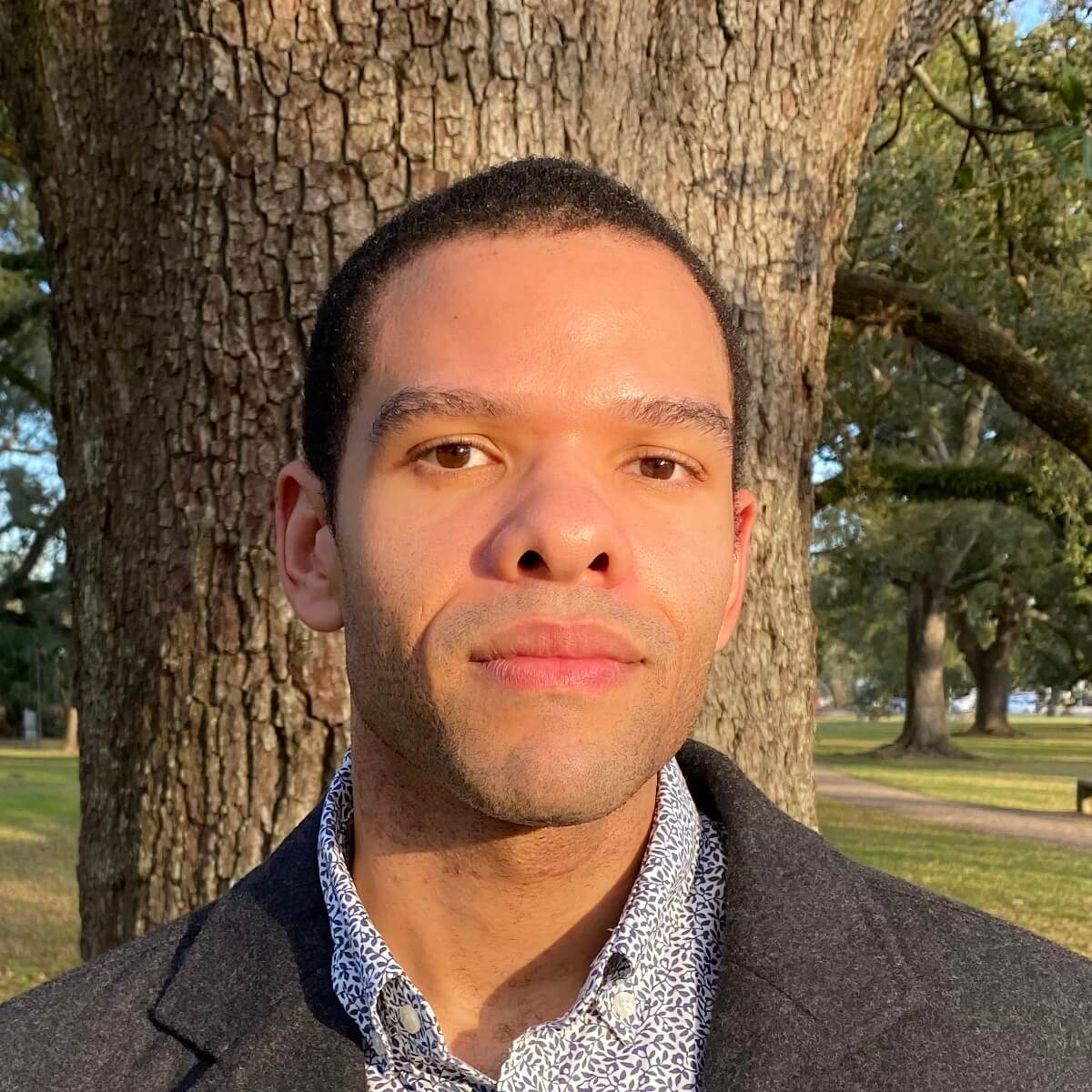
Miles Labat:
I am an aspiring filmmaker. And I say aspiring because I only have a short film under my belt so far, and the rest of the time has just been applying to grants or collaborating with other people on their projects. Because one thing I didn’t know beforehand is that this really is for the long run.
You know, there are no easy gains or really quick gains. I mean, there’s nice moments, but there’s no real quick successes. It’s really for the long run.
NPN:
Can you tell us a little about the film you made?
Miles:
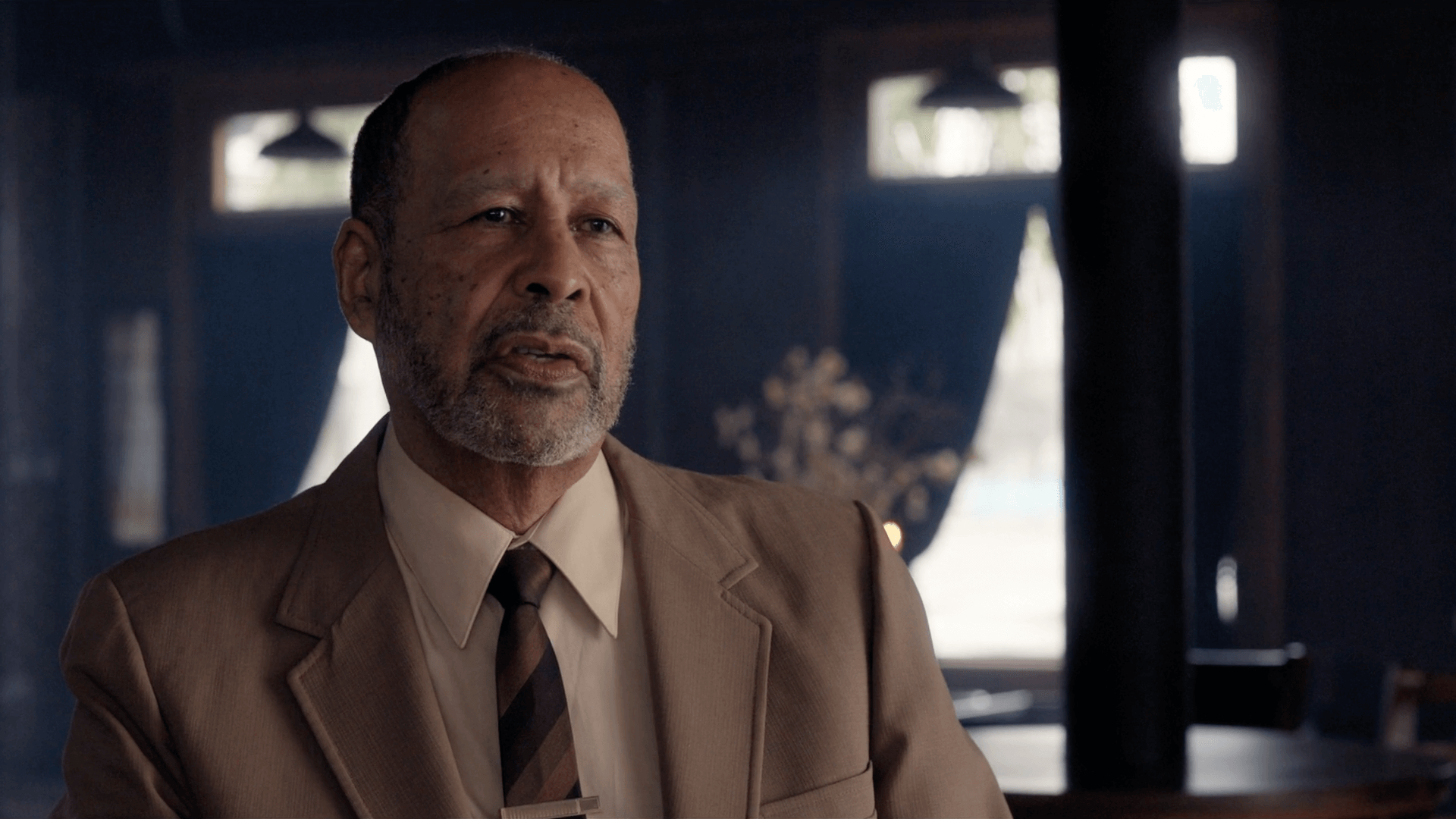
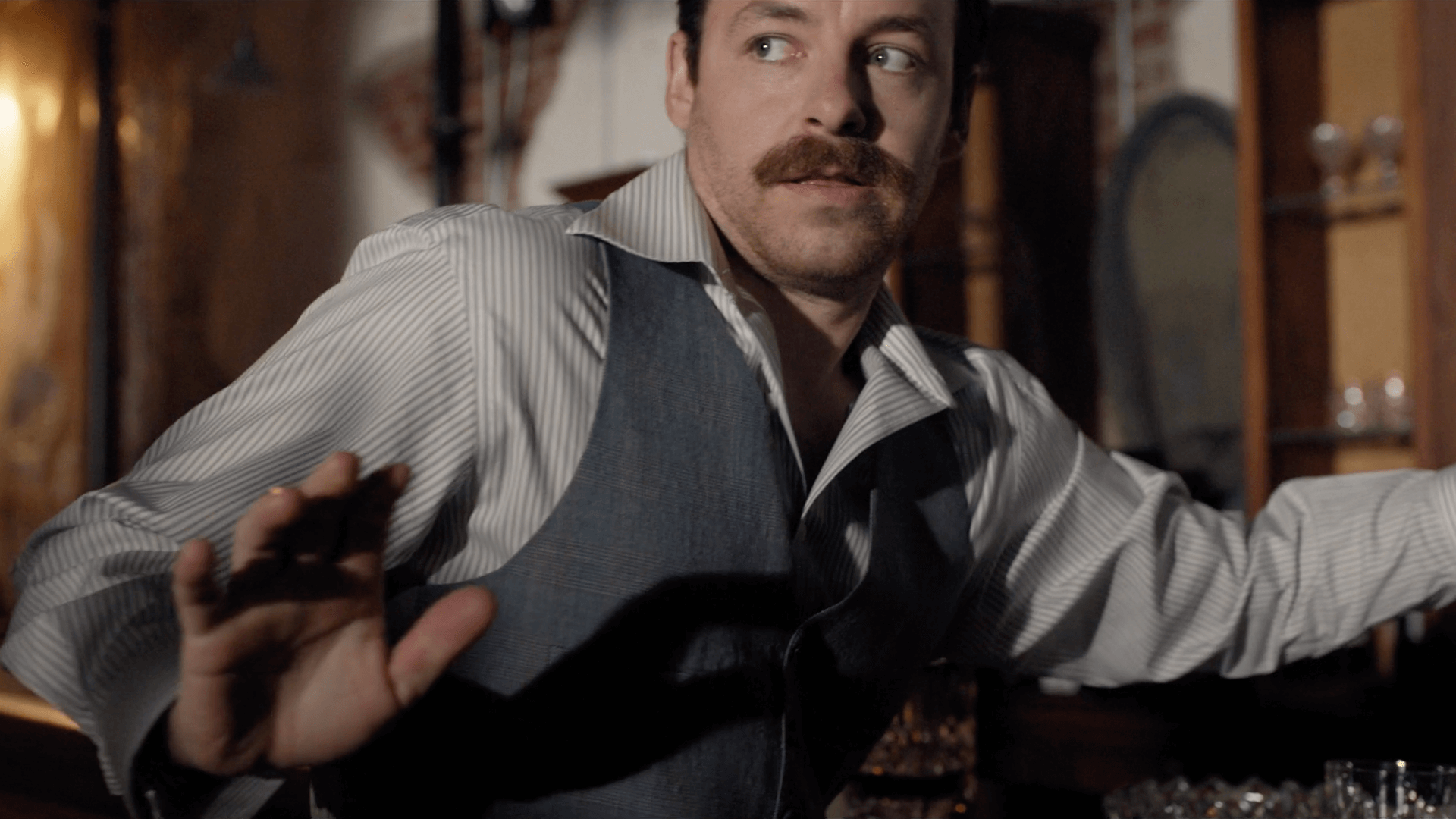
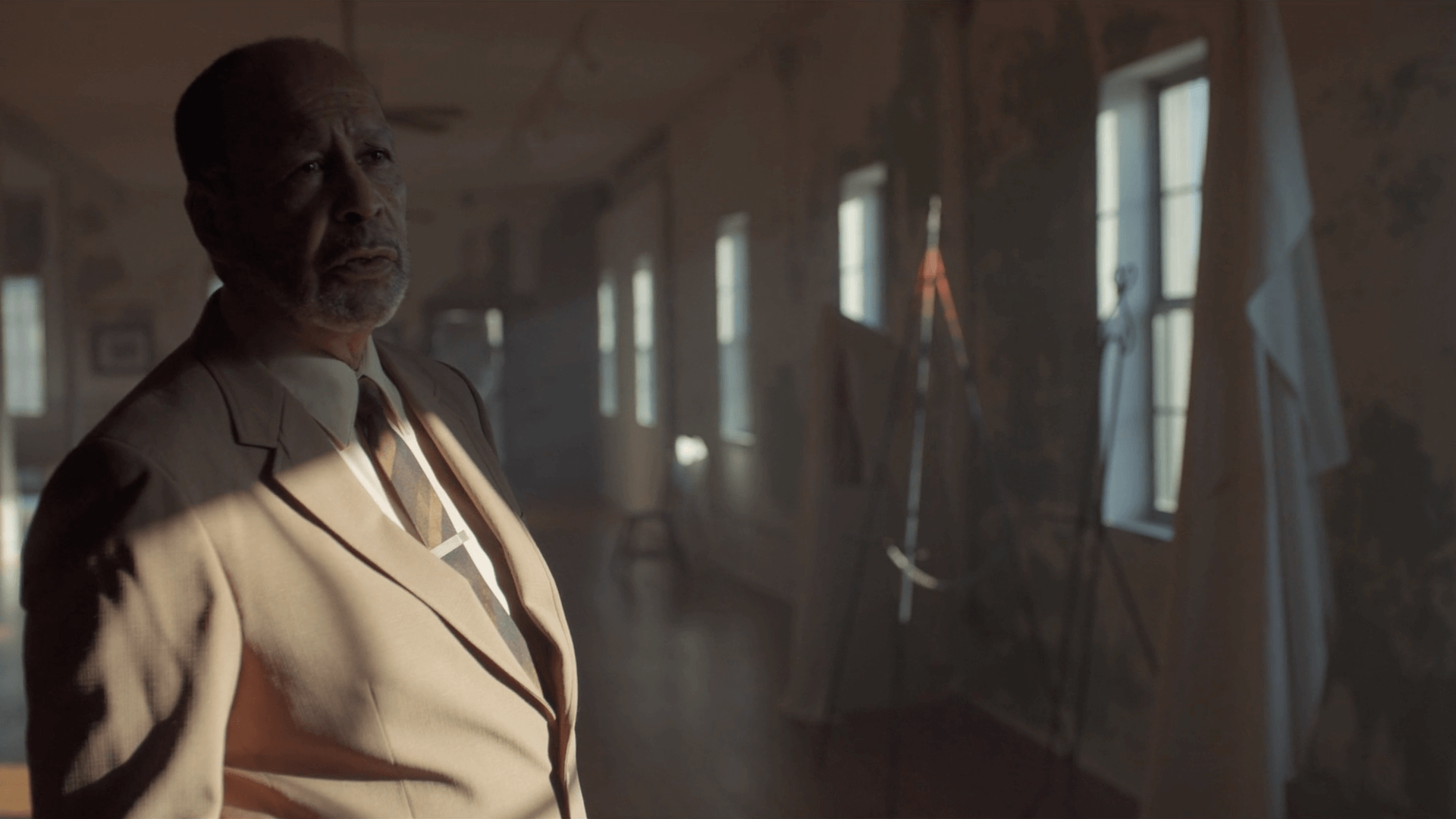
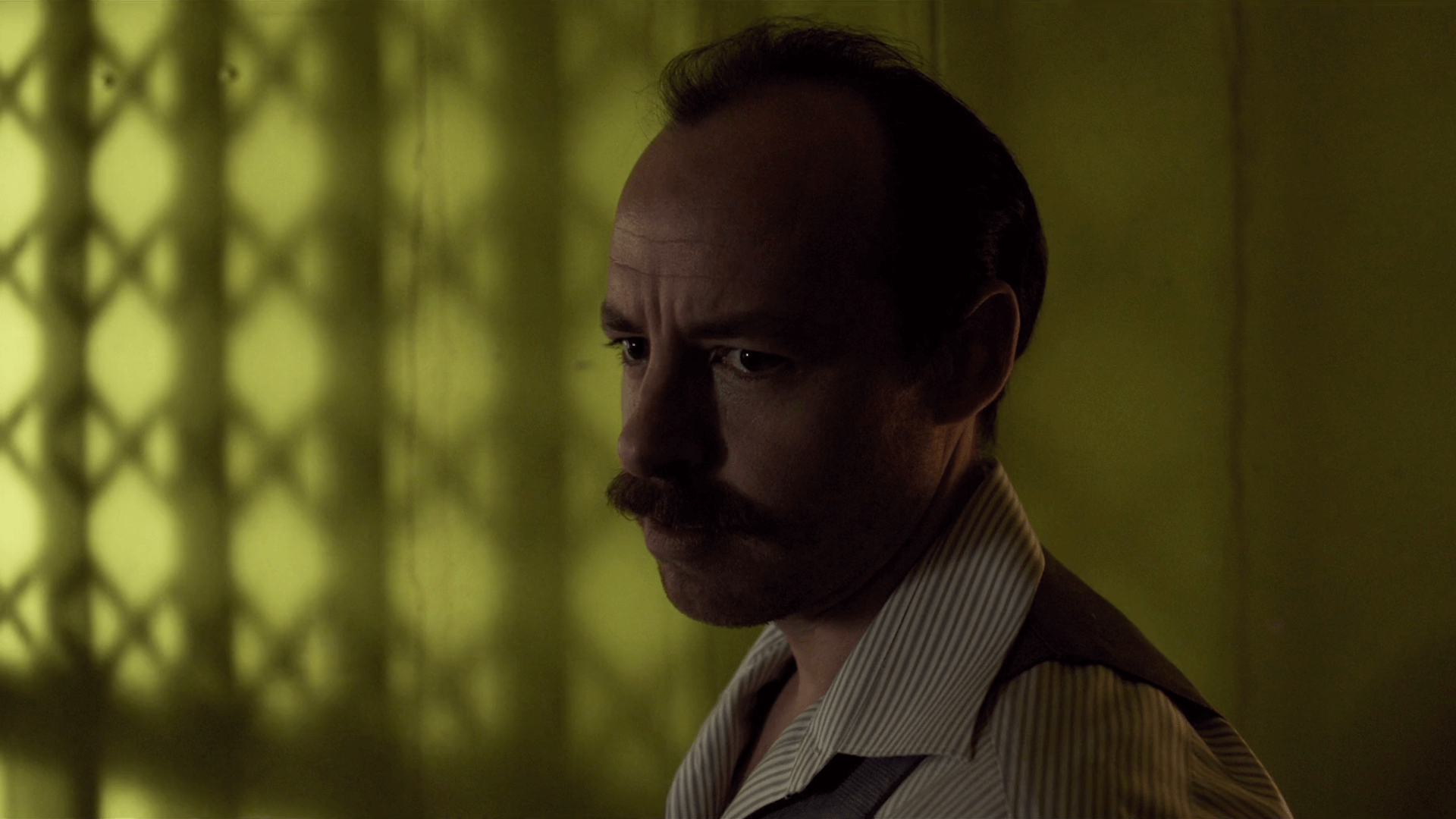
The film is called Angles, and it’s a short film about a family with a criminal background whose father has passed, and his close friend — and really his compadre in crime — betrays the sons in order to receive a property that was acquired through illegal means in the past.
Originally it was made as a proof of concept so that I can make the longer feature film. I wanted to go that route. And it luckily was the film that got me the NPN grant. It got me to some final stages as far as other grants, but the feature ultimately fell through and I went into screenwriting.
NPN:
The film has a lot of layers — family, crime, mourning, betrayal. There’s a lot there that you were able to unpack in 10 minutes.
Miles:
It was based off of Carlos Marcello, who was a well-known mafioso, really the main mafioso of Louisiana in the 20th century. It was a fictional take on his life and the real estate monopolies he had in Louisiana, a very loose reference, because I didn’t wanna make it too direct. Because, at least from my experiences, his legacy is still quite strong with some residents.
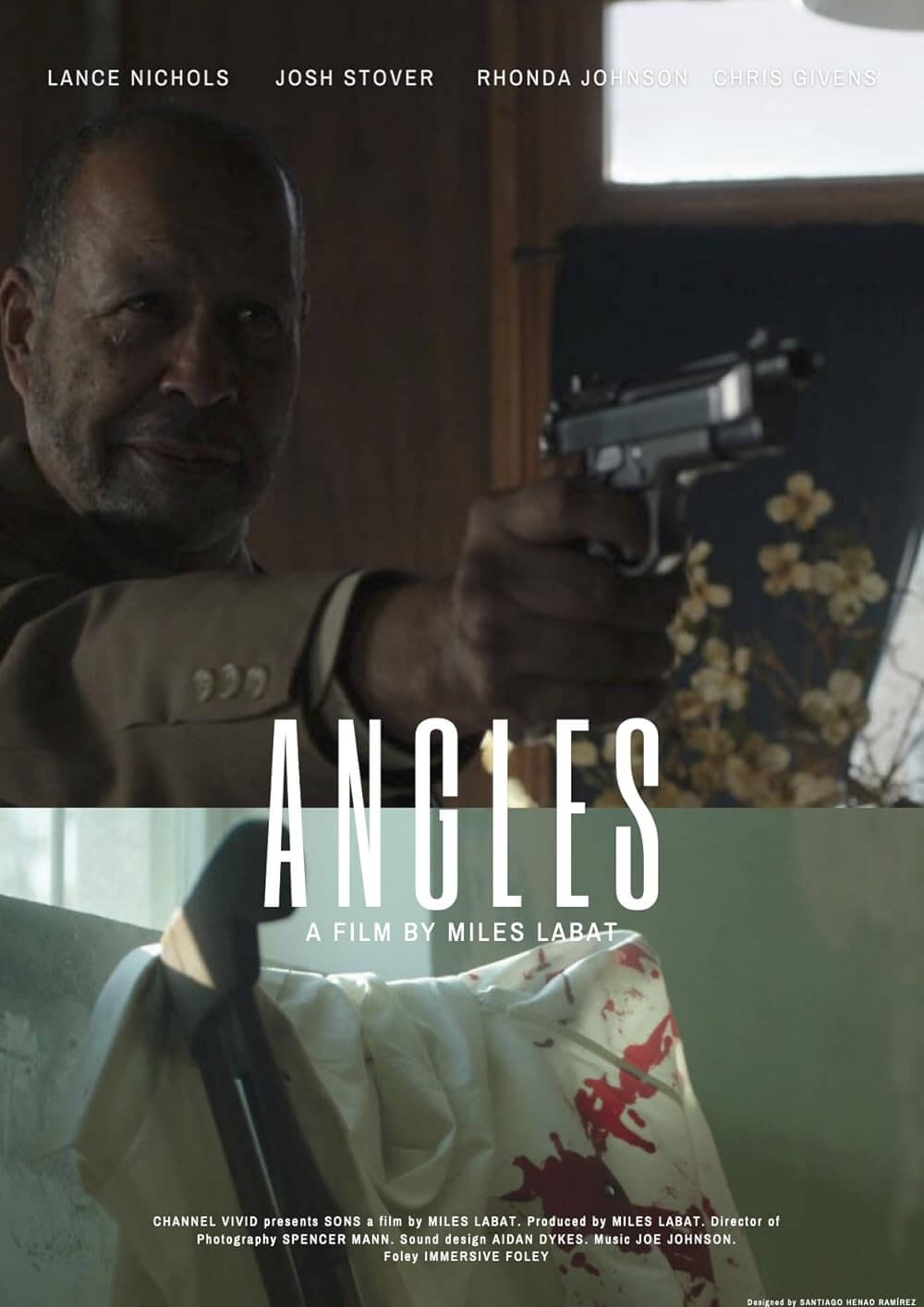
Angles, written, produced, and directed by Miles Labat.
NPN:
What is the process is like for you, from coming up with the concept, to completion and presentation?
Miles:
It’s mostly a very private process of writing and researching and reading, all the while doing whatever jobs in the film industry that I can. So for the last three years I’ve worked in various positions in camera departments.
And throughout that time I always read. I’m an avid reader. And luckily I’ve just been able to work steadily and really research my topic. And then when I have time, or when I designate time for writing, I wake up very early. I like to write very early for some reason.
The writing is kind of like… providing the radius for your subject, and also just writing about what you really want to talk about. Because the best films I find, or the best works of art really, are not about what they’re about.
And when they are about what they’re about, then there’s really little sub-theme or theme really and it’s just a very one dimensional depiction. And I find that if there’s any way of filling out the dimensions of your work, it’s writing what you want to write about and then building some kind of a manifestation of that within [the screenplay].
So it takes a lot of rumination and thinking, a lot of doubt. And then you finally write somehow.
NPN:
What do you want the audience to take from your work?
Miles:
I just finished reading Blood Meridian by Cormac McCarthy for the first time, and there was one quote in there that I realized was exactly what I want to write about.
This character in the book called the judge, and he talks about, I’m paraphrasing, but he talks about how the order we perceive is the order that we put there, not the order that’s actually there. And that the order that’s actually there, the universal or cosmic order, is much more frightening than we would like to perceive.
And not that I’m that pessimistic about it, but if I want [to make] an impact on people, I would like to write characters where we find them at a time where — it’s like The Wizard of Oz, when they realize that the wizard is a man and that their whole world has now been revealed for something completely different.
Because all the best films have this intensity about them, you know? That’s why you’re on the edge of your seat, because you’re watching somebody at the most intense time in their life. And I don’t think anything could be more intense as far as an impact in the western world than watching a character realize that the order that they’ve built their entire life, or the order that they perceived their entire life, is a facade, or not the order that they thought it was.
It is really those moments that I want people to walk away with. Everybody’s going through that to a certain degree, so they actually stop and think about their lives, you know?
While at the same time being excited and enthralled by it. I think real life is much more fascinating than film, so it’s about, you know, kind of exciting them to get back to their real lives, [carrying with them] what the story was about.
NPN:
What inspired you to become a filmmaker?
Miles:
Well, I grew up playing music in New Orleans. And I remember when we evacuated for Katrina, we were in Alabama, and my brother was getting into films and he was always the one that introduced me to films and music and albums and stuff. At that time I was maybe 12, and I watched Barry Lyndon for the first time. I watched Mean Streets for the first time. I watched Elephant by Gus Van Sant for the first time. That was the first time where I realized how wide the palette could be.
That’s the thing that I’m grateful for, that I watched those films at a very early age. It does something to you when you experience such good, important work at such an early age. It’s like a 10-year-old listening to John Coltrane, you know? It just, it does something else to you.
NPN:
Your brain changes a little bit.
Miles:
Yeah, yeah. It really does.
So when I was in high school and I was playing jazz, I was always still watching films, and I was always passionate about it. Then I went to Oberlin Conservatory, and I took all the film classes there.
I kept playing and I kept touring after college. But then I realized that it’s a nonstop hustle being a quote unquote jazz musician. There really is a salary cap and I didn’t see the next 40 or 50 years of my future solely doing that.
So I started to [work as a production assistant, or PA] for short films and other projects at around 24 years old. And I PAed in New York for a while. And then I came back down here. And as I was doing that, I taught myself screenwriting, and eventually saved up money to make that proof of concept short film.
I’m just still teaching myself, really. And searching for opportunities, more so financial opportunities to save up money to invest in my own work. So that’s really what brought me to where I am now.
NPN:
That’s a really interesting kind of back and forth between music and film. Your years spent as a musician must give you a unique perspective on filmmaking.
Miles:
Yeah, I would definitely say that. Except… I mean, this may be disputable, but I’m kind of confident about this statement: I really think music is the ultimate art and everything else is trying to be music.
NPN:
Music is the fundamental unit?
Miles:
Yeah. I think every art at its core, whether it’s painting, singing, dance, film, I think if it’s done really well, it’s as close to music as it can get. So that’s the reason why I’m very happy I grew up [with] music because it gives you a great foundation for all the basic ingredients of great art.
Every great art has an inner melody. Every great art has these inner harmonics. And just like compositions, every great piece of art is architecture, you know? It’s some kind of an outline, a building, a structure.
And, you know, if you grow up listening to Bach or Duke Ellington, you kind of have that embedded in you aesthetically. So I would like to definitely thank music for that.
NPN:
You already touched on this when you were talking about your time in Alabama, but can you talk more about who you feel has had the greatest influence on putting you on this creative path?
Miles:
Well, this will sound pretentious, I know it will, but it’s really the filmmakers that I watched. And I hate saying that because filmmakers are so full of themselves, but I really think it’s their work that has kept me on this path.
Because honestly, this is not a fun industry to be in. It really is who you know. It really is where you are. It really is what you say to the right people.
So I really think it was my exposure to really great films in my teens and my twenties. And even now, I still try to only watch good films. That really sustains faith in my ability to do it, because I feel a kinship to their work. Like, you know, Charles Chaplin, or Frederich Wilhelm Murnau, or Fritz Lang, or Larisa Shepitko, or Roberto Rossellini.
It’s the work of really great filmmakers [but also] really great musicians, really great painters. Like when I go to a museum, or when I go to any place where there’s great work, I’m like, oh, this is why I’m doing it. I forgot.
NPN:
Who do you consider to be your community, and what or where do you consider to be home?
Miles:
I can’t say I’ve found a community. I’ve found individuals that I have consistent talks with. I’m very close my musician friends still. But I haven’t been too stimulated by people I’ve met in the film industry. And it’s just a very personal observation, but it’s because quite frankly, I haven’t met many film people that read. And that’s something that’s very disturbing to me.
NPN:
That they don’t read?
Miles:
Well, at least they don’t talk about books. They don’t talk about reading. Film has such a history with literary adaptations. It bothers me how filmmakers think that they can make good films just by watching films.
So I haven’t found too many filmmakers interesting. I have found local people in New Orleans very interesting. I have some good contacts in Los Angeles that I sometimes talk to. But mostly, I’m very close to my musician friends still as far as community. People I could just talk to, not about work, but more just about life in general.
And I guess home for me is wherever I can work and put my head down comfortably. I wouldn’t say home is a single place. It’s just where I feel most productive at the time.
NPN:
What are you reading, watching, listening to, or just thinking about lately?
Miles:
I’m reading The Racket by Matt Kennard and the essays of George Orwell.
I’ve been watching the films of Costa-Gavras, Jules Dassin, and Kenji Misumi, and I’m always watching Citizen Kane. I love Citizen Kane. I really think the importance of that film can’t be overemphasized. It’s a film that literally gets better every time you watch it. Do not trust people who don’t like that film.
And I’m listening to a lot of different music, a lot from the eighties and seventies, a lot of film soundtracks, but also just a lot of random records. Like this band Cloud 9, who only put out one record. And this band from Germany called Laser, they only put out one record in ’79. I like to check out records by bands where they put out one record, and you don’t really hear about it, but when you find it, it’s very good.
NPN:
What is something that people would be surprised to learn about you?
Miles:
I think people would be surprised how much I joke. My musician friends know that I like to joke a lot. I always laugh with them. But with film people, I feel like they would be more surprised by it. But if I just sit down with you for an hour, I’m gonna joke with you, you know? I love laughing. You need to laugh and let your cheeks lift up. I think people would be surprised to hear that about me.
NPN:
You are serious about the work, but you bring levity with you as well.
Miles:
Yeah, exactly. You need to. Like, that’s why people love Ernst Lubitsch and Billy Wilder, because you can tell that there’s a seriousness about them, but they also make fun of themselves.
People don’t make fun of themselves anymore, you know? Everybody’s like, don’t make fun of me, don’t judge. And it’s like everything’s funny, you know? Not in a cynical or pessimistic way. It’s just, there’s a silliness about the seriousness that we have, you know?
NPN:
You mentioned reading, watching old movies, and discovering albums lost to time. Are there other interests that you enjoy doing with your time?
Miles:
I like traveling a lot. I usually do it throughout the summer or early in the year.
I like getting together with five or six people, a little group, and just, you know, talking about different topics.
It’s well known that there’s an epidemic of loneliness in our generation. A lot of people are very lonely, but don’t like to talk about how lonely they are and how isolated they feel, no matter how close they may be with people on social media. So I think it’s important to sit down and just talk to people when you can.
NPN:
I think a lot of people don’t want to be the weird one that says, “Hey, do you wanna come over and just hang out?” They’re afraid of coming across as needy.
Miles:
Everybody’s afraid, but it’s like no, I want to be with you. I naturally want to. This is why everybody loves dogs, you know?
NPN:
Yeah. They’re just so happy to see you.
Miles:
Exactly. Everybody wants that, but nobody wants to be vulnerable and say it.
I have my friends, I have my girlfriend, I have my mom. Different communities, you know, and I think that’s very healthy.
NPN:
And similar to what you said earlier about needing to read books if you want to make films, if you’re telling stories about people, you have no well to pull from if you don’t actually spend time with real people in real life.
Miles:
And most importantly, people that disagree with you. That’s why a lot of the villains in films are such easy villains, like we hate them as soon as we see them. And the thing about the great writers and great films, the good person and the bad person are not easily definable. We’re challenged as an audience because we understand the philosophy of the quote unquote antagonist.
But because the writers don’t spend time with people that really disagree with them and because they don’t seek that disagreement, I truly believe that film characterization has dwindled.
They don’t seek that necessary dissonance, you know?
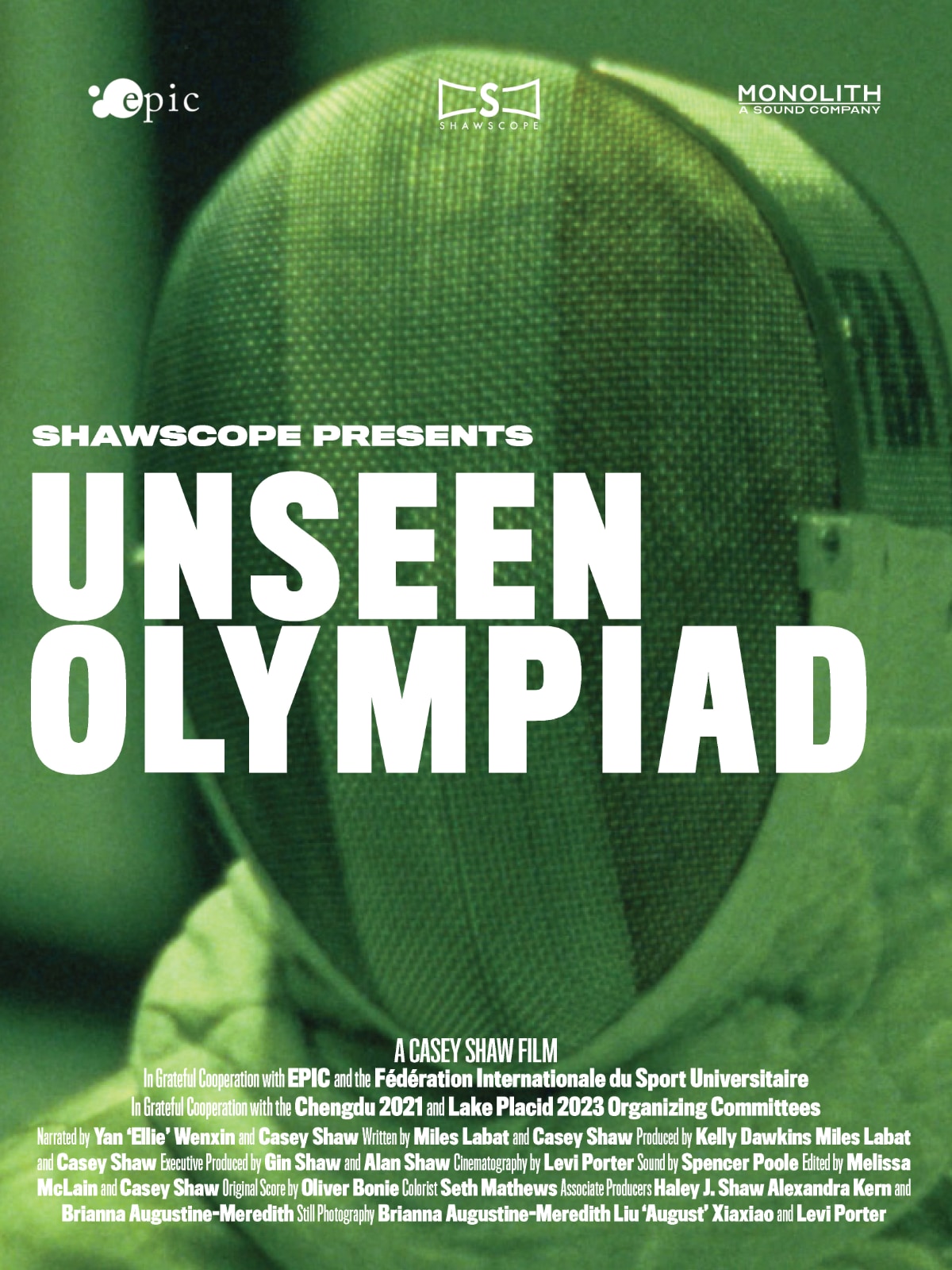
Unseen Olympiad, co-written and co-produced by Miles Labat.
NPN:
Is there anything else that you want people to know?
Miles:
It’s a very challenging time in the film industry right now.
If you read the trades, you’ll very much see that. And though I’m quite cynical about moments like this, I do believe that out of these transitional times, just like in 1969, just like in 1999 to a certain degree, there will be great films that come out of this period. In 1974, The Godfather Part II came out, The Parallax View came out, Thieves Like Us us came out. 1974 was a very great year for films, but a very tough year sociologically. It was post Nixon, the year right before Vietnam ended, and New York almost went bankrupt. There was all this domestic turbulence.
And now it’s an incredibly turbulent time, domestically and internationally. I mean, everybody knows and everybody can feel it. And it’s getting harder for filmmakers, it’s getting much harder. There’s a lot of people out here with no money, and yet they are trying to make films that cost all the money, you know?
So I think the thing about moments like this is that if history tells us anything, it’s that great work comes out of them.
About Miles Labat
Miles Labat is a native New Orleans filmmaker/screenwriter. A graduate of the New Orleans Center for Creative Arts and Oberlin Conservatory, his formal education years were followed by performing and touring professionally with elders of Louisiana music, such as Ellis Marsalis, Harold Batiste, and Clyde Kerr.
In 2016, he moved to New York to pursue his passion for filmmaking, which led to positions as a production assistant for 40 Acres and a Mule in Brooklyn and Paramount Offices in Manhattan. Upon returning to New Orleans in 2019, he was employed in electrical and camera departments for Louisiana-based film and television productions.
At present, his predilection for historical study and research informs his development of original screenplays based on nefarious relationships between political apparatuses and homegrown elements of organized crime.
Related Stories
Newsletter Sign Up
Get the latest on events, stories, opportunities, and projects from across the network.
Your personal data will be managed respectfully and responsibly, in accordance with our privacy policy.