
Resist, Reawaken,
and Reclaim:
Christopher K. Morgan’s
The Dulling Effect
Urges Audiences to Reject Modern Detachment
• 3 minute read
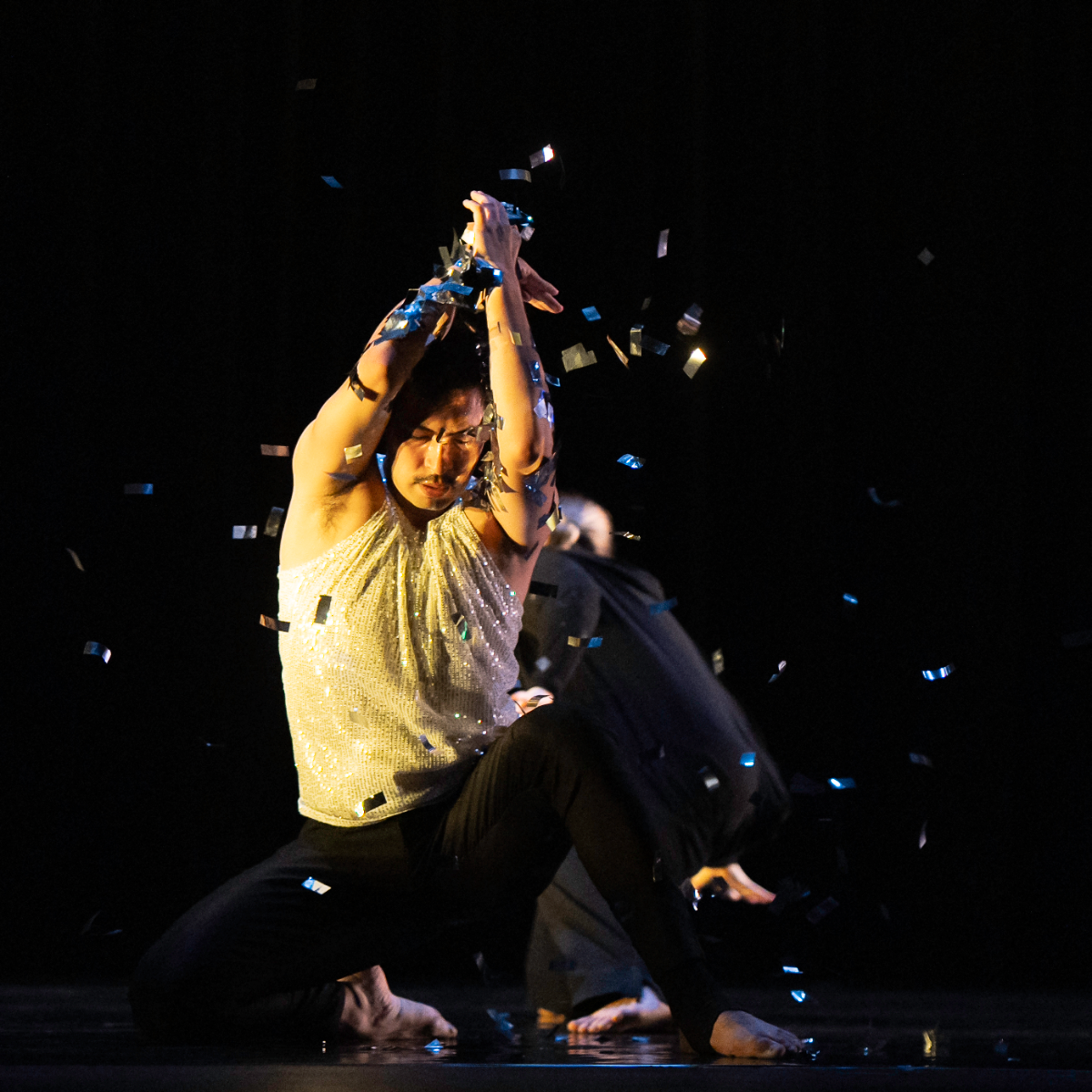
Christopher K. Morgan was a 2019 NPN Creation Fund artist, and in 2025 he received support from NPN’s Artist Engagement Fund for his new work, The Dulling Effect. He currently sits on NPN’s Board of Directors.
“Summing up, radio seems to have a slightly dulling effect upon higher mental processes.”
– The Psychology of Radio
The Dulling Effect, a new dance performance by Christopher K. Morgan and Malashock Dance with a wide ranging score that includes original music by The Illustrious Blacks, draws inspiration from the vibrance and resilience of queer culture. At its core, the performance serves as an act of resistance against recent anti-drag, anti-trans legislation, as well as laws that attempt to curtail women’s rights.
But The Dulling Effect also interrogates how nearly a century of accelerating technology may be numbing our empathy, engagement, and critical thinking. As it celebrates queer resilience, it also urges audiences to confront the erosion of democratic freedoms and resist, reawaken, and reclaim the power of individuality and collective action.
The name references a 1934 Harvard study that looked at the negative impact — a “dulling effect” — that radio, a new technology that had only been around since the early twenties, was having upon its audience.
Christopher, the artistic director of Malashock Dance and the creator and choreographer of the work, says he was struck by that phrase:
The concept piqued my curiosity: How might that dulling effect have evolved over the past 90 years, as technological advancements have accelerated and permeated nearly every aspect of our lives? Are we, as a society, more disconnected, less engaged, or less capable of critical thought due to the omnipresence of technology?
The resulting evening length dance performance was developed through a collaborative process with a multi-racial cast of six dancers who represent a spectrum of gender identities and sexual orientations — a deliberate presentation of diversity that Morgan describes as “central to the performance, as it highlights the richness and complexity of human identity.”
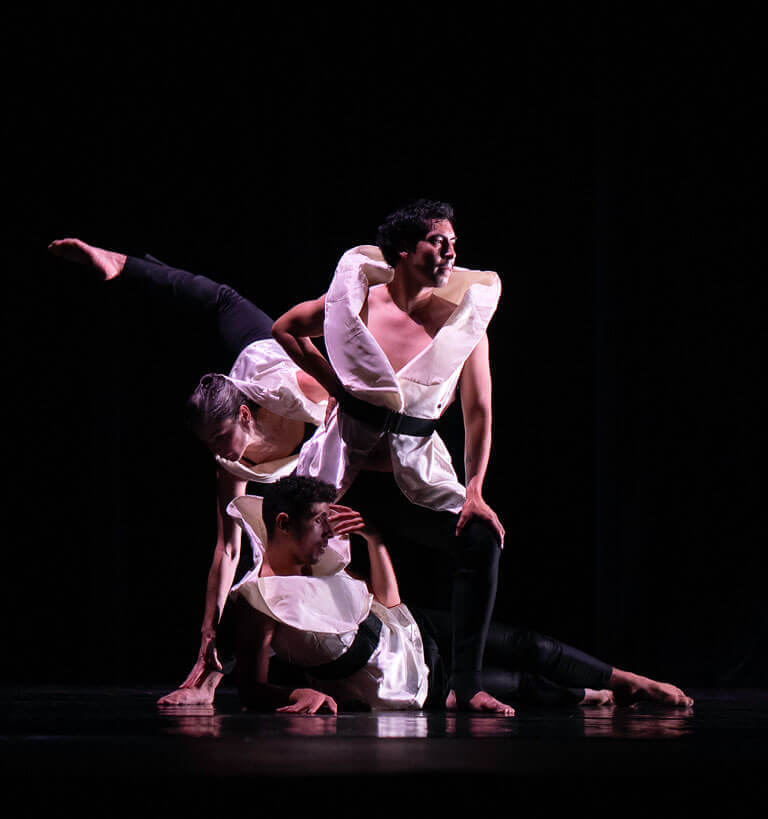
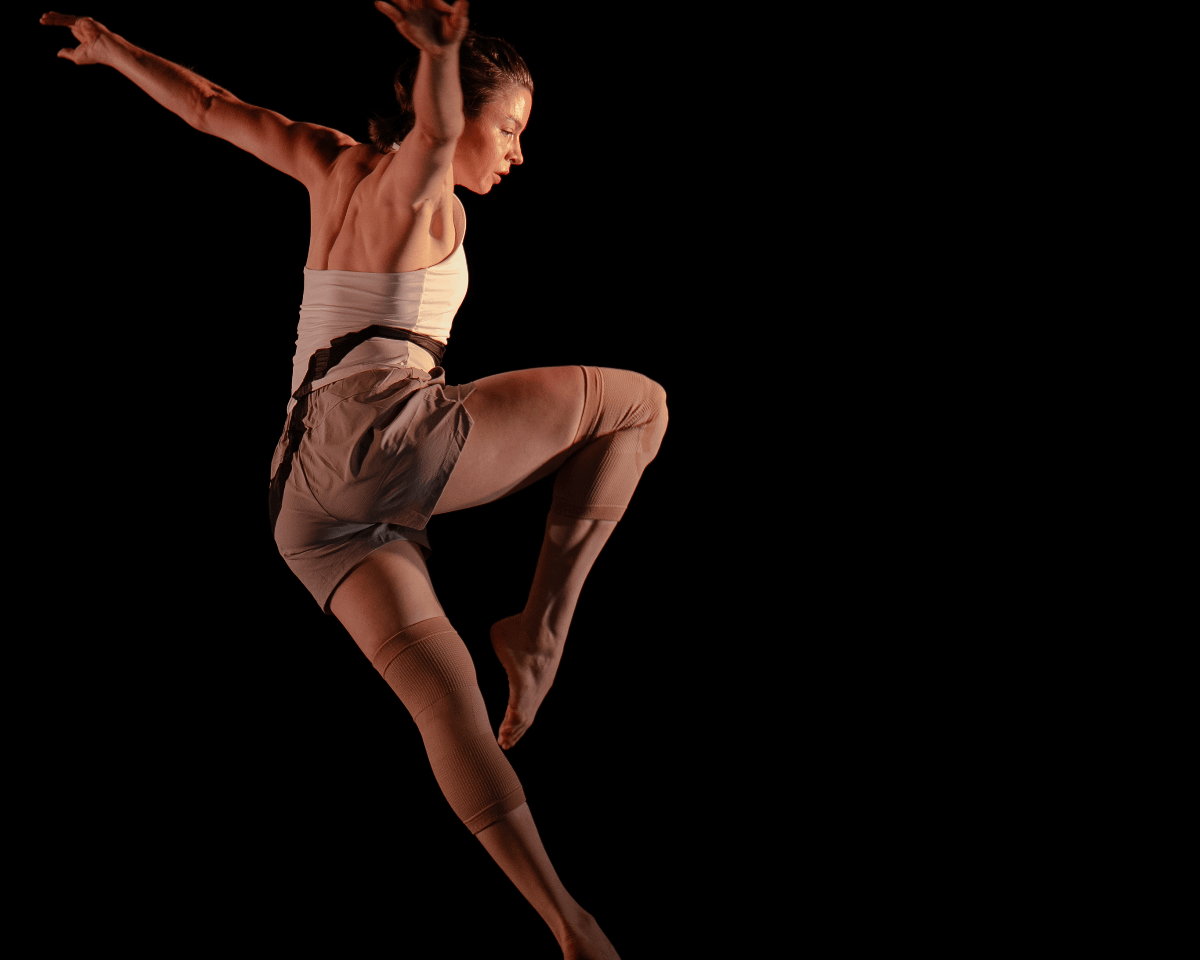
Dancers performing in The Dulling Effect by Christopher K. Morgan and Malashock Dance.
The Dulling Effect is both a celebration and a defense of freedom, individuality, and self-expression, Morgan says.
It challenges the audience to consider the ways in which technology, legislation, and societal norms can dull our sense of connection to one another and to ourselves. At the same time, it offers a vision of what can happen when we resist those forces—when we embrace diversity, celebrate individuality, and reclaim our right to express our true selves.
Quote from The Psychology of Radio by Hadley Cantril and Gordon W. Allport, Harper & Brothers Publishers, 1935, p. 157.