
Reflection on ArtsLink Assembly 2025: Defending Each Other
December 10, 2025 • 3 minute read
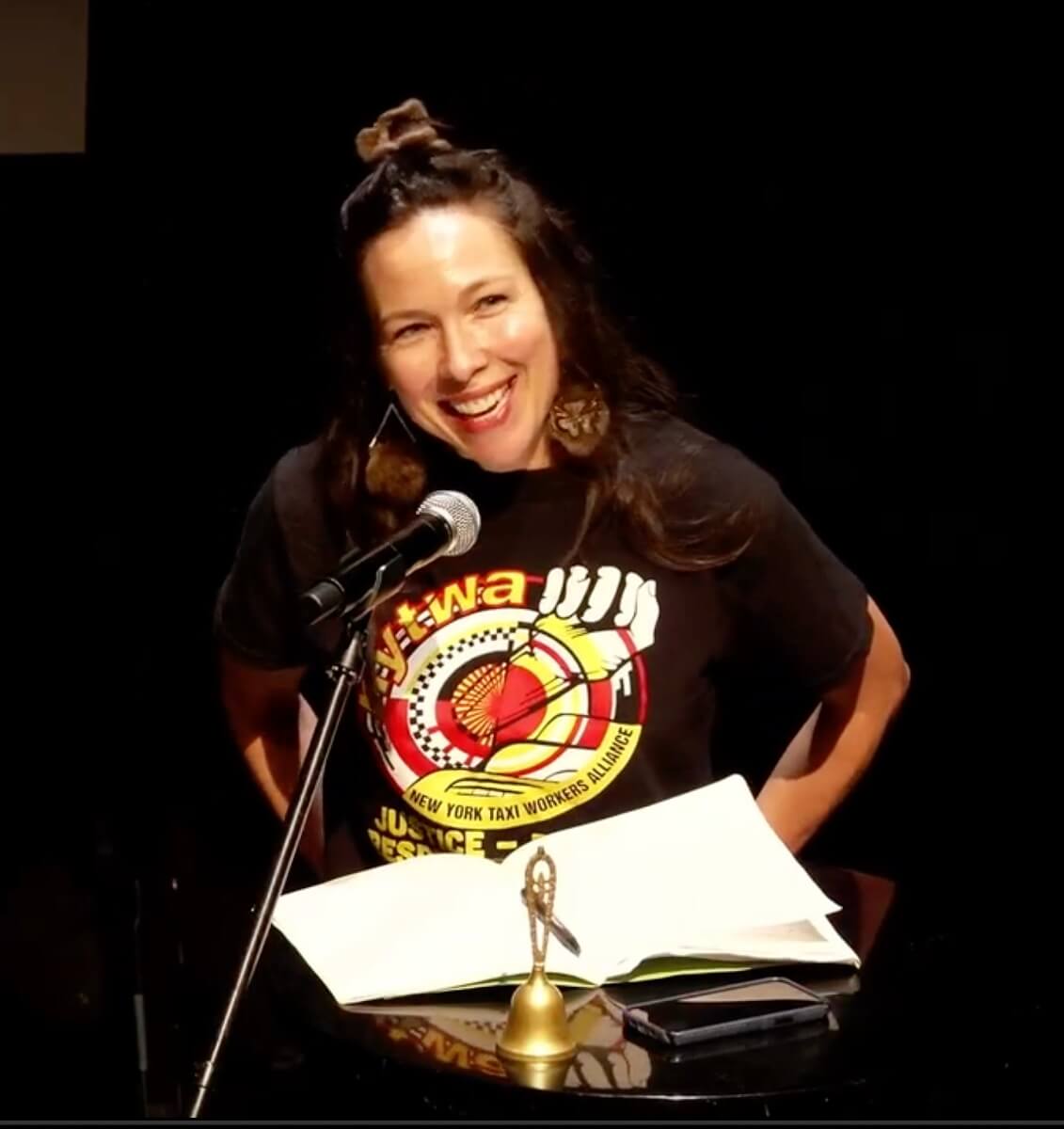
“Working Group: Funders/Foundations” at ArtsLink Assembly 2025. Credit: HowlRound video still.
Defending Each Other: Reclaiming Artist Mobility as a Human Right, Reimagining the Future Through Care
By Stanlyn Brevé, NPN Director of National Programs
In early November, I participated in the ArtsLink Assembly 2025: Defending Each Other, a two-day gathering focused on building collective support for artists in the US amid persecution, crisis, and conflict, organized by CEC Artslink and Artistic Freedom Initiative (AFI). Artists, artist-resettlement organizations, arts support networks, funders, and researchers shared experiences, perspectives, and strategies for resilience, along with visions for a more supportive cultural infrastructure for artists and cultural workers in the United States.
Coming on the heels of NPN’s 2025 Conference, the Assembly offered a global lens on how our cultural field can learn from global experiences to navigate safety in the United States. Emily Johnson, Yup’ik body-based Creation & Development Fund artist, land and water protector, and organizer for justice, sovereignty, and well-being, opened the event with her talk Defending the Land.
Julie Trébault of Artists at Risk Connection, who co-led NPN’s recent conference plenary “You Are Not Alone: Artist Safety and Solidarity,” spoke on Defending Artists, joined by Achiro Patricia Olwoch, an award-winning writer, director, and producer from Gulu in Northern Uganda, now living in exile in New York and a member of the National Queer Theatre’s Artistic Collective.
Olwoch spoke about the quiet danger of disappearance: “the silence that comes when our money dries up, when grants evaporate, when institutions that once loved our work have to fold or retreat.” She named this the “defunding of the imagination,” a consequence of the extraordinary contraction in arts spending and the resulting destruction of infrastructure.
She emphasized that she is “less interested in defending the idea of freedom and more in defending the conditions that make freedom possible. Because art will always find a way to exist, but under what conditions? Who gets to make it? Who gets to be free? Freedom is not something we defend once; it’s something we practice daily, together. And if the funding disappears, if the doors close, then the care cannot. That, I believe, is where our future begins.”
The Assembly also gave voice and urgency to what we’ve been witnessing in the US: a growing disinvestment in artists’ mobility. Sanjay Sethi, human rights lawyer and co-executive director of the Artistic Freedom Initiative, spoke on Defending the Rule of Law, arguing that the right to move is not a privilege but a precondition for artistic freedom. When artists cannot move, ideas cannot circulate, and when ideas stop crossing borders, democracy itself begins to contract.
AFI frames artistic mobility not as a logistical matter but as a human right, essential to pluralism and democratic participation. This perspective offered a powerful framework for NPN’s current work investigating the future of artists’ mobility in today’s cultural landscape, highlighted recently in the conference plenary facilitated by the Design Studio for Social Intervention. As Sethi put it, mobility represents “the ability of artists to relocate, exhibit, or collaborate across borders as a protected democratic interest, not an administrative privilege.”
His words left me reflecting deeply: How can NPN, as a community of relationships, uphold and advocate for mobility as a basic human right rather than a luxury? And in a country so divided and fragmented—often intentionally, as a tool of capitalism and fascism—how can we continue to insist on this right as essential to a democratic cultural future?
More resources:
- Watch recordings from Artslink Assembly 2025: Defending Each Other
- Stay tuned for NPN’s report from “The Future of Artist Mobility” workshop, to be shared in early 2026